 by
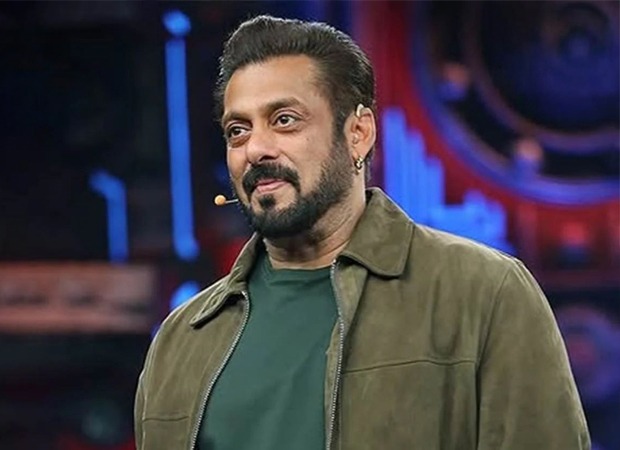
by In a year packed with streaming innovations, celebrity-driven reality experiments, and high-budget unscripted formats, one show once again proved that longevity, structure, and audience loyalty remain unmatched currencies in the Indian entertainment ecosystem. Salman Khan–hosted Bigg Boss Season 19 has officially emerged as the most-watched OTT reality show of 2025, according to the recently released Ormax annual rankings. With an impressive 20 million viewers, the season outperformed prominent titles including The Great Indian Kapil Show Season 3, Shark Tank India Season 4, and The Traitors.
While new formats attempt to disrupt viewing habits every year, Bigg Boss continues to demonstrate that reinvention does not necessarily require abandoning core identity. Instead, it requires evolution within a stable framework — a strategy that Season 19 executed with calculated precision.
This achievement is not merely about numbers. It represents cultural endurance, brand authority, platform adaptability, and the power of a host whose presence has become inseparable from the show’s DNA.
Let’s examine why Bigg Boss Season 19 dominated 2025’s OTT landscape — and what this means for the future of Indian reality television.
The 20 Million Milestone: What the Numbers Really Mean
A reported 20 million viewers is more than a statistical victory. In an increasingly fragmented OTT ecosystem, where audiences are divided across multiple platforms and niche genres, sustaining such large-scale engagement is rare.
To put this into perspective:
- OTT audiences are now highly selective.
- Viewer retention has become more difficult due to binge culture.
- Reality formats face stiff competition from scripted thrillers, crime dramas, and global content.
Yet Bigg Boss 19 not only survived but thrived. It surpassed comedy-driven formats like The Great Indian Kapil Show, business-based intellectual programming like Shark Tank India, and strategic psychological competition such as The Traitors.
This indicates one thing clearly: Bigg Boss is no longer just a show. It is an annual event.
Bigg Boss as a Cultural Institution
Launched over a decade ago, Bigg Boss has evolved into one of India’s longest-running reality franchises. What distinguishes it from newer OTT formats is its ability to operate as a hybrid cultural product — part entertainment, part social experiment, part psychological theatre.
Every season, the show becomes:
- A social media battlefield
- A meme factory
- A moral debate forum
- A celebrity rebranding platform
- A study in human behavior
Season 19 continued this tradition. Conversations spilled beyond the streaming platform into Instagram reels, X (formerly Twitter) threads, YouTube breakdowns, and WhatsApp groups.
In 2025, no other reality format generated comparable organic discourse.
Salman Khan: The Constant in Controlled Chaos
At the heart of Bigg Boss lies its most enduring element — Salman Khan.
His association with the show has spanned multiple seasons, transforming him from host to symbolic guardian of the format. While contestants change every year, Salman remains the stable axis around which the chaos rotates.
Why His Presence Matters
- Authority with Familiarity
Salman balances stern correction with emotional guidance. His interventions during “Weekend” episodes often recalibrate the house dynamics. - Narrative Control
Reality shows can easily descend into unstructured drama. Salman’s hosting provides structure, ensuring that conflicts move toward resolution rather than endless escalation. - Audience Trust
Viewers perceive him as a mediator between the audience and contestants. His commentary often echoes public sentiment. - Brand Continuity
In a landscape where OTT shows frequently change hosts to experiment with tone, Bigg Boss relies on consistency.
Season 19 reaffirmed this dynamic. His weekend episodes remained appointment viewing, shaping eliminations, alliances, and public perception.
The Power of Familiar Structure in a Changing OTT World
While new reality shows promise novelty, Bigg Boss thrives on predictable structure:
- Nominations
- Tasks
- Confession room moments
- Weekend reviews
- Evictions
- Emotional backstories
Audiences know the rhythm — and that familiarity breeds comfort.
In an era of algorithm-driven randomness, there is psychological security in knowing how a show unfolds. Viewers return because they understand the emotional architecture.
Season 19 maintained this template while subtly adapting to newer viewer expectations.
Evolution Without Dilution
One reason Bigg Boss continues to dominate is its ability to evolve without alienating its core audience.
1. OTT-First Adaptation
Season 19 leaned more aggressively into OTT engagement:
- Extended digital footage
- Behind-the-scenes exclusives
- Interactive polls
- Social-first highlights
This ensured cross-platform traction.
2. Balanced Casting Strategy
The show blended influencers, television actors, digital creators, and controversial personalities — maximizing demographic diversity.
3. Narrative Crafting
Producers increasingly structured episodes like serialized dramas, with character arcs and evolving emotional stakes.
Rather than abandoning its original formula, the show modernized its execution.
Competing with the New Guard
Bigg Boss’ 2025 competitors were formidable:
- The Great Indian Kapil Show capitalized on comedy and celebrity interviews.
- Shark Tank India appealed to entrepreneurial aspirations.
- The Traitors introduced psychological strategy and suspense.
Each show served a distinct niche. However, Bigg Boss offered something uniquely expansive — emotional unpredictability.
It combines:
- Conflict
- Humor
- Romance
- Betrayal
- Redemption
- Public judgment
No other reality format blends so many narrative ingredients simultaneously.
The Psychology Behind Bigg Boss’ Appeal
Bigg Boss is, fundamentally, an experiment in confinement and visibility.
Participants live under constant surveillance, stripped of external distractions. Viewers witness raw behavior under pressure — alliances forming and dissolving in real time.
Why does this work?
- Voyeuristic Curiosity
Audiences are drawn to observing unscripted emotional reactions. - Moral Evaluation
Viewers engage in constant judgment — who is right, who is manipulative, who deserves eviction. - Relatability
Conflicts often mirror everyday workplace or family dynamics. - Power Dynamics
Leadership struggles and group politics resemble social hierarchies in real life.
Season 19 amplified these elements, generating sustained engagement throughout the year.
Social Media Amplification: The Real Battleground
In 2025, no reality show can thrive without digital virality. Bigg Boss understands this ecosystem better than most.
- Every argument becomes a meme.
- Every emotional breakdown becomes a trending clip.
- Fan armies mobilize instantly.
Season 19 particularly benefited from short-form content circulation. Instagram reels and YouTube shorts ensured that even non-regular viewers remained aware of key moments.
The show no longer relies solely on scheduled viewing — it thrives in fragmented digital consumption.
The “Weekend Effect”: How Salman Shapes the Narrative
One of Bigg Boss’ strongest structural innovations remains its weekend format.
Salman’s weekend episodes serve three purposes:
- Accountability
- Emotional recalibration
- Audience representation
His feedback often shifts house power equations. Contestants adjust strategies based on his commentary.
Season 19 saw multiple turning points triggered by these episodes. Contestants who appeared dominant mid-week found themselves vulnerable after weekend critiques.
This cyclical reset mechanism keeps the narrative fresh.
Consistency as Competitive Advantage
In entertainment strategy, consistency is often undervalued. However, Bigg Boss has proven that predictable identity can be a strength.
While other reality shows experiment heavily with format reinvention, Bigg Boss maintains core elements:
- Confinement
- Surveillance
- Public voting
- Celebrity host
Audiences appreciate the reliability.
In an overstimulated OTT marketplace, familiarity can outperform novelty.
Economic and Brand Implications
The 20 million viewership milestone also signals strong commercial value.
Bigg Boss is not just a streaming property — it is:
- A sponsorship magnet
- A cross-platform advertising vehicle
- A brand integration hub
Season 19 likely generated substantial advertising revenue and brand partnerships.
For streaming platforms, retaining a flagship show with proven annual success provides stability amid volatile subscription trends.
Criticism and Controversy: The Double-Edged Sword
Bigg Boss has never been free from criticism. Over the years, it has faced allegations of:
- Scripted manipulation
- Overemphasis on conflict
- Ethical concerns around mental stress
Yet controversy often fuels viewership.
Season 19 managed to sustain drama without tipping irreparably into backlash territory — a delicate balance that producers increasingly understand.
The Enduring Salman Factor
As streaming platforms experiment with younger hosts or rotating celebrity anchors, Bigg Boss continues to rely on Salman Khan.
His persona contributes:
- Star power
- Credibility
- Emotional gravitas
- Commercial trust
Replacing him would fundamentally alter the show’s identity. Season 19’s success reinforces the belief that his association remains central to the format’s longevity.
Audience Loyalty: The Invisible Asset
Bigg Boss enjoys multi-generational viewership.
Parents who watched early seasons now stream it with their children. Fan loyalty compounds annually.
This loyalty is not accidental — it has been cultivated through:
- Repetitive seasonal scheduling
- Consistent branding
- Emotional investment in contestant journeys
Season 19 reaped the rewards of this long-term strategy.
Bigg Boss in the Broader Entertainment Landscape
India’s OTT space is rapidly expanding. Global players compete with regional platforms. Viewers are exposed to international reality formats.
Yet Bigg Boss remains distinctly Indian in its emotional intensity and cultural references.
It blends:
- Bollywood drama
- Family values
- Social confrontation
- Public morality
Season 19’s dominance proves that culturally rooted formats retain powerful resonance.
Looking Ahead: Can Bigg Boss Sustain Its Lead?
The critical question now is sustainability.
Will future seasons maintain momentum?
Several factors suggest yes:
- Strong brand recall
- Salman Khan’s continued association
- Cross-platform adaptability
- Established production expertise
However, the show must continue evolving casting strategies and digital engagement tactics to remain ahead of emerging formats.
Conclusion: More Than a Reality Show
Bigg Boss Season 19’s achievement — 20 million viewers and top ranking on the Ormax list — is not merely a statistical milestone. It is validation of a format that has mastered reinvention within continuity.
In a saturated OTT ecosystem, Bigg Boss stands as:
- A cultural ritual
- A psychological spectacle
- A commercial powerhouse
- A narrative engine
Salman Khan’s steady presence, combined with structural consistency and adaptive innovation, has ensured that the show remains India’s most-watched reality property in 2025.
As the season closes, one thing becomes clear: Bigg Boss is no longer competing for relevance.
It has already secured its legacy.