 by
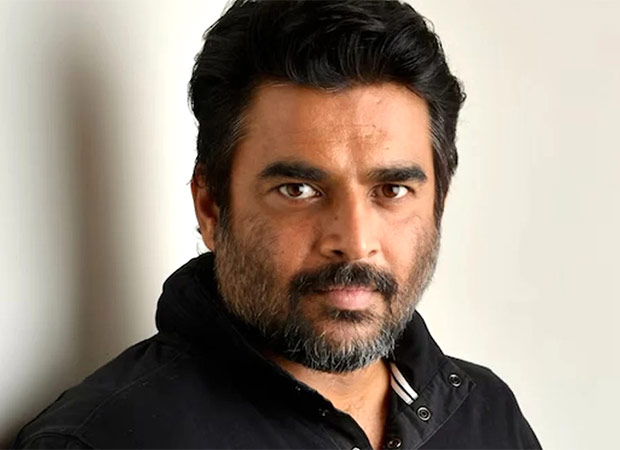
by In a landmark development reflecting the judiciary’s growing concern over digital impersonation and artificial intelligence misuse, the Delhi High Court has granted interim relief to acclaimed actor R Madhavan, restraining the unauthorised commercial and obscene use of his name, image, voice, and likeness. The ad interim injunction, passed on Monday, December 22, by Justice Manmeet Pritam Singh Arora, marks yet another decisive step by Indian courts to safeguard personality rights in the rapidly evolving digital ecosystem.
The order comes amid an alarming rise in deepfake videos, AI-generated imagery, fabricated trailers, and misleading endorsements that exploit the identities of public figures for commercial gain or sensationalism. The court’s intervention underscores a critical legal principle: public fame does not nullify an individual’s right to dignity, reputation, and control over one’s persona.
The Case That Sparked Judicial Intervention
R Madhavan, a widely respected actor known for his work across Hindi, Tamil, and international cinema, approached the Delhi High Court after discovering multiple instances of unauthorised and misleading content circulating online under his identity. According to submissions made before the court, several unknown and identified defendants were allegedly involved in creating and disseminating AI-generated visuals, deepfake videos, and fabricated promotional material falsely associating the actor with films, advertisements, and objectionable content.
Appearing on behalf of Madhavan, Senior Advocate Swathi Sukumar detailed how the misuse ranged from fabricated movie trailers to misleading visuals that portrayed the actor endorsing products or appearing in contexts he had no association with. Such content, it was argued, not only misled the public but posed a serious threat to the actor’s professional credibility and personal reputation.
The petition emphasised that the unauthorised exploitation was being carried out for commercial benefit—through merchandise sales, digital monetisation, and social media engagement—without the actor’s consent, thereby violating his personality rights.
Court Acknowledges the Threat of AI and Deepfake Technology
Justice Manmeet Pritam Singh Arora, while passing the ad interim order, took judicial notice of the rapidly expanding misuse of artificial intelligence technologies, particularly deepfakes. The court observed that advancements in AI have made it increasingly easy to replicate faces, voices, and expressions with startling accuracy, creating an environment where misinformation and identity theft can spread at unprecedented speed.
The judge acknowledged that such misuse goes beyond mere copyright infringement and enters the realm of serious ethical and legal violations. The unauthorised replication of a person’s likeness, especially a public figure, can distort public perception, erode trust, and inflict long-term reputational harm.
Importantly, the court recognised that the harm caused by such content is often irreversible. Once misleading or obscene material circulates online, it can be copied, reshared, and archived indefinitely, making prompt judicial intervention essential.
Exhaustion of Platform Remedies: A Key Consideration
One significant aspect of the court’s reasoning was its emphasis on procedural diligence. Justice Arora noted that Madhavan had already taken steps to approach various social media platforms and digital intermediaries to seek the removal of infringing content before filing the suit.
This point gained prominence in light of the judge’s earlier clarification in similar cases—that individuals seeking urgent judicial relief against online content must first exhaust available grievance redressal mechanisms provided by digital platforms. By demonstrating that he had attempted platform-level remedies, Madhavan strengthened his case for urgent judicial protection.
The court’s acknowledgment of this step sends a broader message: while digital platforms play a crucial role in content moderation, judicial oversight remains essential when platform mechanisms fail to provide timely or effective relief.
Scope of the Interim Injunction
The Delhi High Court’s order granted comprehensive interim protection to R Madhavan, covering multiple dimensions of personality rights. The injunction restrains:
- Unauthorised commercial use of the actor’s name, image, voice, likeness, and personality traits.
- Sale of merchandise and products exploiting Madhavan’s identity without consent.
- Circulation of obscene, misleading, or defamatory content, including AI-generated and deepfake material falsely associated with the actor.
- Use of fabricated promotional material, trailers, or endorsements implying the actor’s involvement.
The court also directed relevant intermediaries to take action against the infringing content identified in the suit, reinforcing the accountability of digital platforms in preventing the spread of harmful material.
Understanding Personality Rights in Indian Law
Personality rights, though not codified under a single statute in India, have evolved through judicial interpretation. They encompass an individual’s right to control the commercial use of their identity, including name, image, voice, signature, and other distinctive attributes.
Indian courts have consistently held that these rights are an extension of the right to privacy and the right to dignity under Article 21 of the Constitution. While public figures may have reduced expectations of privacy in certain contexts, their right to prevent commercial exploitation and misrepresentation remains intact.
The Madhavan order reinforces the principle that personality rights are not diluted by fame. On the contrary, public figures are often more vulnerable to misuse due to their recognisability and commercial value.
A Growing Judicial Trend: Celebrities Push Back Against Digital Misuse
R Madhavan’s case is part of a broader trend where celebrities, sportspersons, spiritual leaders, and media personalities are increasingly turning to courts for protection against digital impersonation.
In recent years, several high-profile individuals have obtained similar injunctions, including:
- Pawan Kalyan, against unauthorised political and commercial use of his image
- Sunil Gavaskar, against misleading endorsements
- Salman Khan, to restrain misuse of his likeness for promotions
- Jr NTR, in relation to unauthorised digital content
Courts have also extended protection to figures such as Sri Sri Ravi Shankar, Nagarjuna, Aishwarya Rai Bachchan, Abhishek Bachchan, and Karan Johar, recognising the heightened risks posed by AI-driven impersonation.
More recently, Justice Arora himself passed comparable orders in favour of journalist Sudhir Chaudhary and podcaster Raj Shamani, acknowledging that not just actors but content creators and journalists are increasingly vulnerable to digital misuse.
Deepfakes and the Ethical Crisis of the Digital Age
The Madhavan order arrives at a time when deepfake technology has sparked global debate. Originally developed for creative and research purposes, deepfake tools are now frequently misused to create non-consensual content, fake endorsements, political propaganda, and explicit material.
For celebrities, the consequences are particularly severe. A single manipulated video can undo years of carefully built public trust. Even when debunked, the psychological and reputational damage often lingers.
The court’s strong language against such misuse reflects a growing judicial awareness that existing legal frameworks must adapt swiftly to technological realities. While laws like the Information Technology Act and intermediary guidelines provide some safeguards, judicial interpretation remains crucial in addressing gaps.
Commercial Exploitation vs. Freedom of Expression
One of the recurring legal questions in personality rights cases is the balance between an individual’s right to control their persona and the public’s right to freedom of expression. Courts have generally drawn a clear distinction between legitimate artistic or journalistic expression and commercial exploitation.
In Madhavan’s case, the court found that the unauthorised use was clearly commercial and misleading in nature, with no element of fair use or public interest. Fabricated trailers, AI-generated endorsements, and obscene content cannot be shielded under the guise of creativity or satire.
The order thus reinforces the legal position that freedom of expression does not extend to deception, impersonation, or profiteering at the cost of another’s identity.
Responsibility of Digital Platforms and Intermediaries
Another critical dimension of the ruling is its implicit emphasis on the role of social media platforms and digital intermediaries. While the court did not delve extensively into intermediary liability at this stage, its directions to remove infringing content highlight the expectation that platforms act swiftly and responsibly.
With AI-generated content becoming harder to detect, platforms face increasing pressure to invest in better detection tools, transparent grievance mechanisms, and proactive moderation. Courts are likely to scrutinise platform responses more closely in future cases, especially when delays exacerbate harm.
Why This Ruling Matters Beyond Celebrity Culture
While the case involves a well-known actor, its implications extend far beyond celebrity culture. The principles laid down by the Delhi High Court apply equally to journalists, educators, entrepreneurs, and ordinary individuals whose identities can be misused online.
As AI tools become more accessible, the line between reality and fabrication continues to blur. Without robust legal safeguards, anyone could become a victim of impersonation, misinformation, or reputational sabotage.
The Madhavan ruling reinforces that the law will not remain a passive observer in the face of such threats. It sends a clear signal that dignity and identity are not negotiable commodities in the digital marketplace.
The Road Ahead: Towards Stronger Legal Frameworks
Legal experts believe that cases like this will accelerate conversations around dedicated legislation for personality rights and AI misuse in India. While judicial precedents provide immediate relief, a comprehensive statutory framework could offer clearer definitions, remedies, and penalties.
There is also a growing call for mandatory watermarking of AI-generated content, clearer labelling requirements, and stricter consequences for malicious misuse. Courts, policymakers, and technology companies will need to collaborate to ensure innovation does not come at the cost of human dignity.
Conclusion: Reclaiming Identity in the Age of Artificial Intelligence
The Delhi High Court’s interim relief to R Madhavan is more than just a win for one actor—it is a reaffirmation of a fundamental principle: technology must serve humanity, not exploit it. By restraining the misuse of Madhavan’s image, likeness, and identity, the court has drawn a firm line against the unethical and unlawful deployment of AI.
As deepfakes and digital impersonation continue to challenge legal systems worldwide, this ruling reinforces the judiciary’s evolving stance that visibility does not equal vulnerability. Public figures, like all individuals, retain the right to control their identity, protect their reputation, and live with dignity—even in an age where artificial intelligence can mimic reality with unsettling ease.
In doing so, the court has not only safeguarded a celebrated actor’s rights but also strengthened the legal shield protecting identity itself in the digital era.