 by
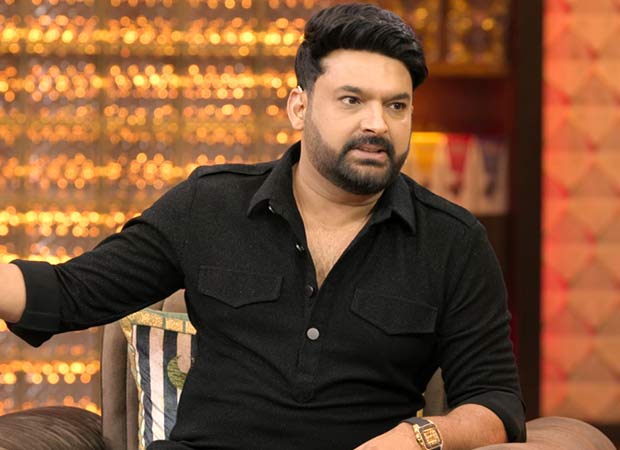
by The intersection of entertainment, copyright law, and digital streaming has once again come under scrutiny, as Phonographic Performance Ltd (PPL) India has reportedly moved the Bombay High Court against comedian Kapil Sharma, streaming giant Netflix, and associated production houses. At the heart of the dispute lies the alleged unauthorised use of three popular Bollywood songs in Season 3 of The Great Indian Kapil Show, one of Netflix India’s most-watched comedy programs.
The legal action, filed as a commercial suit on December 12, alleges that the show used copyrighted sound recordings without obtaining the mandatory licences from the rights holders represented by PPL India. The controversy has reignited broader conversations around music licensing, public performance rights, and compliance responsibilities in India’s rapidly evolving OTT ecosystem.
This case is not merely about three songs—it raises crucial questions about how digital platforms interpret copyright law, the responsibilities of content creators, and whether traditional licensing norms are being overlooked in the streaming age.
Understanding the Parties Involved
What Is PPL India?
Phonographic Performance Ltd (PPL) India is a copyright society that represents record labels and sound recording owners. Its primary function is to license sound recordings for public performance and communication to the public, ensuring that artists and rights holders receive fair compensation when their music is used commercially.
In India, PPL India licenses music for:
- Television broadcasts
- Live events
- Radio and digital platforms
- Commercial establishments
- Streaming shows involving public performance
PPL operates under the Copyright Act, 1957, and acts as a collective management organisation for sound recording copyrights.
The Great Indian Kapil Show and Its Reach
The Great Indian Kapil Show marks Kapil Sharma’s return to television-style comedy through Netflix. Unlike traditional broadcast comedy shows, the series:
- Is recorded before a live studio audience
- Is later streamed globally on Netflix
- Includes skits, celebrity interviews, and musical segments
Season 3 of the show aired between June and September, enjoying strong viewership both in India and internationally, thanks to Netflix’s global distribution.
The Songs at the Centre of the Dispute
According to reports, PPL India claims that three iconic Bollywood songs were used without authorisation:
- “M Bole To” – Munna Bhai MBBS (2003)
- “Rama Re” – Kaante (2002)
- “Subha Hone Na De” – Desi Boyz (2011)
These songs are not just background music but culturally recognisable tracks that hold significant commercial value. Their inclusion in a widely streamed show amplifies their reach, making licensing obligations even more critical.
Why PPL India Claims Copyright Infringement
“Public Performance” and “Communication to the Public”
Under the Indian Copyright Act, playing a sound recording in a manner that is:
- Audible to the public
- Accessible to a large or undefined audience
- Commercial in nature
qualifies as “public performance” or “communication to the public.”
PPL India argues that:
- The songs were played audibly during live studio recordings
- The episodes were later communicated to millions of viewers through Netflix
- Both instances independently require proper licensing
In their view, the use of the music went beyond private or incidental use and entered the realm of commercial exploitation.
Live Audience + OTT Streaming: A Double Layer of Use
One of the most significant aspects of the complaint is the two-stage use of the music:
- During live recording:
The show is filmed in front of a physical audience where music is played audibly, qualifying as a public performance. - During OTT streaming:
The episodes are streamed on Netflix, constituting communication to the public on a commercial digital platform.
PPL India contends that neither stage was licensed, thereby multiplying the extent of alleged infringement.
Cease-and-Desist Notice and Alleged Non-Compliance
Before approaching the Bombay High Court, PPL India reportedly issued a cease-and-desist notice in early November. The notice requested the show’s producers and Netflix to:
- Stop using PPL-controlled sound recordings
- Obtain appropriate licences
- Address past unauthorised use
However, PPL claims that the response received was merely a “holding reply”, which neither acknowledged liability nor resulted in the removal or licensing of the songs. With the allegedly infringing episodes still available on Netflix, PPL moved forward with legal action.
Reliefs Sought by PPL India
In its suit, PPL India has reportedly requested the Bombay High Court to grant several remedies, including:
1. Injunction Against Further Use
An order restraining Kapil Sharma, Netflix, and the production companies from:
- Using PPL-controlled sound recordings
- Broadcasting or streaming episodes containing unlicensed music
2. Disclosure of Earnings
PPL has asked the court to direct the defendants to:
- Disclose revenues earned from the episodes
- Account for profits attributable to the alleged unauthorised use
3. Appointment of a Court Receiver
In a strong legal move, PPL has sought the appointment of a court receiver to:
- Seize infringing materials
- Prevent further exploitation of copyrighted content
Such reliefs, if granted, could have serious operational and reputational implications for all parties involved.
Netflix and Music Licensing: A Growing Legal Grey Area?
This case adds to the growing complexity surrounding OTT platforms and music rights. Unlike traditional television, streaming platforms often:
- Operate across multiple jurisdictions
- Use content globally
- Assume bundled rights through production contracts
However, Indian copyright law still requires separate licensing for sound recordings, even when:
- A show is produced in-house
- Music usage appears incidental
- Content is globally distributed
The PPL lawsuit underscores that streaming does not dilute copyright obligations—if anything, it expands them.
Responsibilities of Producers vs Platforms
A key question likely to arise in court is who bears the primary responsibility:
- The production house?
- The showrunner?
- Or the streaming platform?
Typically:
- Producers are responsible for securing music licences
- Platforms rely on contractual warranties
- Copyright societies enforce rights regardless of internal arrangements
From PPL’s standpoint, all parties benefiting from the use may be held accountable, especially when the content generates revenue and visibility.
Kapil Sharma’s Brand and Legal Scrutiny
Kapil Sharma is not just a comedian—he is a brand. His association with Netflix marked a major shift from television to digital, bringing:
- High production values
- Global distribution
- Commercial endorsements
While the lawsuit does not directly allege personal wrongdoing by Sharma, his name being linked to a copyright dispute inevitably draws public attention. For celebrities, such cases highlight the importance of legal diligence behind the scenes, especially when transitioning into global platforms.
Broader Implications for the Indian Entertainment Industry
A Wake-Up Call for OTT Content Creators
This case could serve as a precedent for:
- Comedy shows
- Reality programs
- Talk shows
- Web series
Many shows casually use:
- Film songs
- Background tracks
- Nostalgic music cues
If courts take a strict view, creators may need to:
- Re-evaluate music usage
- Increase licensing budgets
- Opt for original compositions
Strengthening the Role of Copyright Societies
The lawsuit also reinforces the relevance of copyright societies like PPL India in a digital age often perceived as loosely regulated. It sends a message that:
- Traditional rights structures still apply
- Collective licensing remains enforceable
- OTT platforms are not exempt
Legal Perspective: What the Court Will Likely Examine
The Bombay High Court’s commercial division is expected to examine:
- Whether the music usage qualifies as public performance
- Whether Netflix’s streaming constitutes communication to the public
- Whether licences were required and knowingly bypassed
- The commercial benefit derived from the alleged infringement
The court may also assess whether:
- The use was incidental or integral
- The songs were central to the show’s content
- Any exemptions apply under the law
Silence from the Respondents—For Now
At the time of reporting:
- Kapil Sharma
- Netflix
- The production companies
had not issued official statements on the matter. Such silence is not uncommon in ongoing legal proceedings, but public reactions will likely intensify once the case is formally heard.
Why This Case Matters Beyond Three Songs
This lawsuit is about more than music—it reflects a shifting power dynamic between:
- Creators and rights holders
- Digital platforms and traditional copyright law
- Global streaming models and local regulations
As India’s OTT market continues to grow, such disputes will shape how:
- Content is produced
- Music is licensed
- Legal risks are managed
Conclusion: A Defining Moment for OTT Copyright Compliance
The legal action by PPL India against The Great Indian Kapil Show marks a defining moment in India’s entertainment and streaming landscape. It highlights the increasing assertiveness of copyright owners and the need for stricter compliance in a digital-first era.
Whether the case ends in settlement, injunction, or prolonged litigation, its impact will likely extend far beyond this single show. For producers, platforms, and performers alike, the message is clear: creative freedom must walk hand in hand with legal responsibility.
As the case progresses, it is also expected to influence how future contracts between streaming platforms and production houses are structured. Legal experts suggest that OTT platforms may begin insisting on more detailed music clearance documentation and indemnity clauses to safeguard themselves from similar disputes. This could lead to tighter pre-production compliance checks, higher costs for licensed music, and a stronger push toward original soundtracks in non-musical shows. For audiences, such changes may go unnoticed, but behind the scenes, the ruling could quietly redefine content creation workflows across India’s booming digital entertainment sector, making copyright due diligence as essential as casting and scripting.
As the matter moves to the commercial division of the Bombay High Court, the industry will be watching closely—not just to see who wins, but to understand how copyright law will adapt to the realities of modern entertainment.