 by
by The world of entertainment often intersects with cultural sensitivities, and sometimes, this intersection becomes the center of public debate. The latest instance of this was the cancellation of a planned New Year event featuring Bollywood actress Sunny Leone in the holy city of Mathura. The private event, scheduled to be held at a hotel, was abruptly called off following strong opposition from local religious organisations, sparking conversations about celebrity influence, cultural sensitivities, and public entertainment in India’s religiously significant cities.
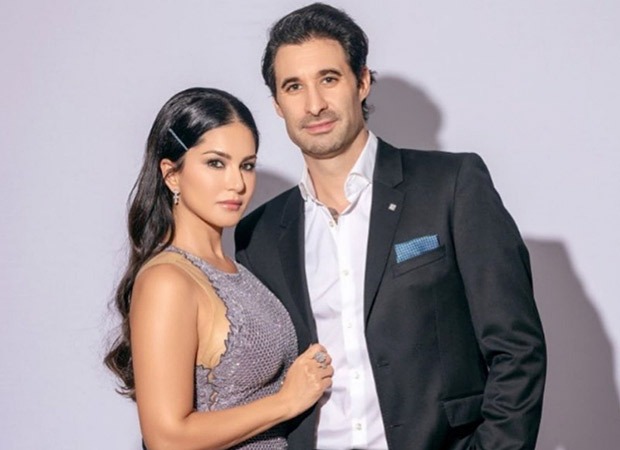
Sunny Leone, who has been a prominent figure in Bollywood for over a decade, has consistently balanced her career in mainstream cinema with public appearances and performances across India. Known for her professionalism and philanthropic work, Leone’s planned visit to Mathura was intended as a private entertainment event, not a public spectacle. However, the opposition from certain groups led to the cancellation of the programme, prompting Leone’s husband, Daniel Weber, to address the situation publicly.
Daniel Weber’s Response
In a statement on behalf of his wife, Daniel Weber expressed surprise and disappointment at the backlash. He clarified that the Mathura event was not Sunny Leone’s official New Year’s show, which was instead scheduled in Hyderabad. “Everyone knows. It’s publicized everywhere,” he noted. “She’s had a show almost every day for the last five, six days, seven days.” His statement emphasized that the Mathura event was a private engagement and not part of Leone’s public performances, countering the narrative that the city would host a mass celebration led by the actress.
Weber highlighted that both he and Sunny Leone have been living in India for 16 years and have consistently contributed positively to the country. He said, “Sunny and I are in India for sixteen years. That is a very good portion of our lives. We have been, I believe, good citizens. We’ve done plenty of good deeds from the goodness of our heart because we like to give back to a country that has given us so much.”
Despite their long-standing presence and contributions, Weber expressed astonishment that protests still occur over Leone’s presence in a city. “I do find it amazing that there is still a group, be it whatever group it is, that protests that Sunny is coming somewhere,” he remarked.
Positive Impact of Celebrity Engagements
Weber argued that Sunny Leone’s presence in any city tends to bring positivity rather than controversy. He emphasized the economic and cultural benefits of celebrity-led events, explaining that they often boost local business, create employment opportunities, and attract public attention. “When she visits a city, it brings revenue, brings business, brings eyeballs, and it brings, you know, it is not bringing anything bad. It is bringing entertainment. And I believe that we should celebrate that,” he said.
This perspective reflects a broader discussion about the role of celebrities in regional economies. High-profile visits often have a tangible impact on local commerce, tourism, and media coverage. Hotels, restaurants, transport providers, and even local artisans can benefit from increased activity around such events. Moreover, from an entertainment standpoint, celebrity appearances often provide audiences with access to cultural and leisure experiences that may otherwise be limited to metropolitan areas.
Cultural Sensitivity and Religious Sentiments
At the heart of the Mathura controversy lies a deeper question of cultural and religious sensitivities. Mathura, being one of India’s holiest cities, holds significant spiritual importance for Hindus worldwide. Certain sections of the community expressed concern over hosting an event featuring an actress with a controversial image in popular culture, arguing that it might clash with the city’s traditional ethos.
Such incidents are not new in India. Public events in religious or culturally significant locations have historically been subject to scrutiny, particularly when they involve celebrities whose on-screen personas challenge conservative norms. The tension between cultural preservation and contemporary entertainment often sparks debates about freedom of expression, celebrity rights, and the role of religion in public spaces.
Weber’s response underscores the delicate balance celebrities must navigate in India. He acknowledged the decision to cancel the event and expressed a willingness to respect local choices, even as he expressed disagreement. “I hope that they do one-day invite us back and realize that that was a wrong decision. I do believe it’s a wrong decision. But we will respect it and let them do what they want to do,” he stated.
Historical Context: Sunny Leone’s Career and Public Perception
Sunny Leone’s career has often been marked by discussions of controversy and societal judgment. Born in Canada and of Indian descent, Leone began her career in the adult entertainment industry before transitioning to mainstream Indian cinema. Her entry into Bollywood was initially met with criticism from certain conservative sections, yet she has successfully built a reputation for professionalism, philanthropy, and mainstream acting talent.
Over the past 16 years in India, Leone has starred in films, web series, and music videos that have cemented her position as a respected celebrity. She has also actively engaged in charitable work, supporting causes ranging from children’s education to disaster relief, further highlighting her commitment to giving back to the country she calls home.
Weber’s statement reflects the frustration that many public figures feel when past controversies continue to influence present perceptions. Despite her professional accomplishments and contributions to society, Sunny Leone remains subject to scrutiny and protest in certain contexts, illustrating the ongoing tension between celebrity image, public perception, and cultural acceptance.
Impact on the Entertainment Industry
The cancellation of Leone’s Mathura event also raises questions about the broader entertainment industry and event management in India. Organizers of private and public events increasingly face the challenge of balancing celebrity engagements with local sentiment. This dynamic can influence event planning, location selection, and promotional strategies, particularly in cities with strong cultural or religious significance.
From an industry perspective, the incident highlights the need for proactive dialogue between organizers, local authorities, and community leaders. Clear communication about the nature of events, participant profiles, and intended audiences can help mitigate misunderstandings and prevent conflicts. Furthermore, it emphasizes the importance of respecting local cultural norms while still providing avenues for entertainment and artistic expression.
Media Coverage and Public Debate
The Mathura controversy quickly became a topic of media attention, generating debates on news channels, social media platforms, and fan forums. Opinions were divided, with some supporting the cancellation due to religious sensitivities, while others criticized the decision as an unnecessary restriction on freedom of expression and entertainment.
Weber’s response added a personal and human dimension to the media narrative. By framing the cancellation in terms of personal disappointment, cultural contribution, and respect for local choices, he redirected the discussion toward constructive dialogue rather than mere sensationalism. His appeal to return in the future and provide entertainment in a respectful and responsible manner reflects a diplomatic approach to a potentially volatile situation.
The Role of Celebrities in Cultural Diplomacy
Daniel Weber’s comments also shed light on the role of celebrities as informal cultural ambassadors. Celebrities like Sunny Leone, who have lived in India for extended periods, often serve as bridges between cultures, bringing international perspectives while embracing local traditions. Through philanthropic activities, public appearances, and engagement with fans, they contribute to cultural exchange and economic activity.
Weber’s assertion that Sunny Leone brings revenue, business, and positivity to any city aligns with this perspective. Beyond entertainment, celebrity visits can enhance local visibility, attract media attention, and foster cross-cultural engagement. When managed sensitively, such visits can complement traditional cultural practices rather than conflict with them.
Public Reaction and Social Media Sentiment
Social media has played a crucial role in shaping public perception of the Mathura cancellation. Fans of Sunny Leone expressed disappointment at the decision, highlighting her professionalism and contributions to Indian cinema. Many users pointed out that Leone’s past philanthropic work and positive engagement with Indian audiences deserved recognition, not protest.
Conversely, some social media users supported the protests, emphasizing respect for religious and cultural spaces. This dichotomy reflects broader societal debates in India, where modern entertainment and traditional values often intersect. The Mathura incident provides a microcosm of these tensions, illustrating the challenges faced by entertainers, event organizers, and audiences in balancing competing expectations.
Moving Forward: Respect, Dialogue, and Entertainment
Weber’s concluding remarks emphasized the importance of respecting local decisions while maintaining a positive outlook. “We will go somewhere else and have great entertainment somewhere else and enjoy and provide wonderful entertainment for another city and another place,” he said. This perspective demonstrates resilience and adaptability, qualities essential for public figures navigating complex cultural landscapes.
By framing the cancellation as a temporary setback rather than a personal affront, Weber encourages constructive dialogue and mutual respect. His hope to be invited back to Mathura in the future underscores a willingness to engage with local communities while advocating for the broader value of entertainment and cultural exchange.
Broader Implications for Celebrity Engagements in India
The Mathura incident highlights several important considerations for celebrities, event organizers, and policymakers in India:
- Cultural Sensitivity: Cities with strong religious or cultural significance may require additional communication and negotiation before hosting celebrity events. Understanding local norms can prevent conflicts.
- Celebrity Responsibility: High-profile figures like Sunny Leone must balance their public presence with respect for local sentiments. Transparent communication about the nature and purpose of events can help mitigate misunderstandings.
- Community Engagement: Proactive dialogue with community leaders and stakeholders can foster mutual understanding, ensuring that entertainment events complement rather than conflict with cultural practices.
- Media Framing: Media coverage plays a significant role in shaping public opinion. Balanced reporting that considers multiple perspectives can promote informed discourse rather than polarizing narratives.
- Economic and Social Impact: Recognizing the tangible benefits of celebrity engagements—such as increased business, tourism, and public engagement—can encourage communities to approach such events with openness rather than opposition.
Conclusion
The cancellation of Sunny Leone’s planned event in Mathura, and Daniel Weber’s subsequent response, underscores the ongoing tension between modern entertainment and traditional cultural norms in India. While the protests highlight legitimate concerns about maintaining the sanctity of religious spaces, Weber’s remarks offer a nuanced perspective, emphasizing positivity, economic benefits, and cultural contribution.
Sunny Leone’s 16-year journey in India reflects a remarkable story of integration, professional achievement, and societal contribution. Daniel Weber’s comments underscore the couple’s commitment to India, their respect for local decisions, and their hope for future engagement in communities that may have initially opposed them.
Ultimately, this incident illustrates the delicate balance that public figures must navigate when engaging with culturally sensitive communities. It also highlights the potential for dialogue, mutual respect, and understanding to create spaces where entertainment, cultural exchange, and community interests can coexist harmoniously.
As Weber aptly concluded, despite the setback in Mathura, Sunny Leone and her team will continue to bring entertainment and joy to audiences elsewhere, contributing positively to the cultural and economic fabric of the country. The couple’s response—rooted in respect, resilience, and optimism—offers a blueprint for navigating controversy with dignity and vision.