 by
by Bollywood has often experimented with sequels, but few manage to retain the essence of the original while adding enough freshness to keep audiences engaged. Vadh 2, directed by Jaspal Singh Sandhu, is one such attempt—a film that blends suspense, crime, and human psychology within the confines of a prison. While its predecessor, Vadh (2022), impressed viewers with its tight narrative and shocking climax, Vadh 2 ventures into a new setting, bringing in fresh conflicts and moral dilemmas, albeit with its own set of limitations.
Synopsis: A Mysterious Disappearance in Shivpuri Jail
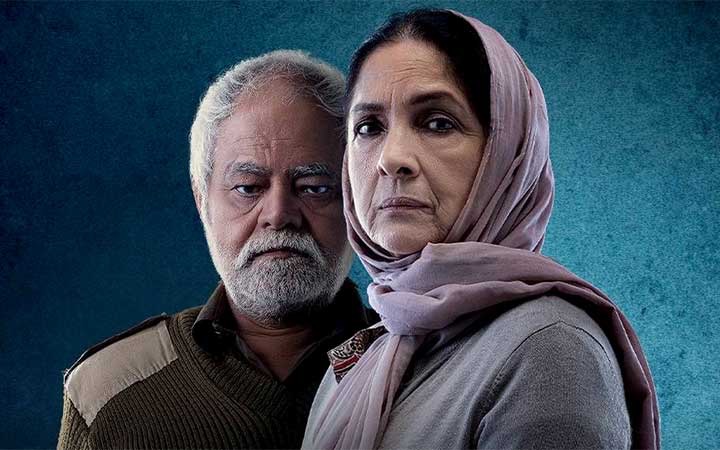
Vadh 2 opens in Shivpuri Jail, Madhya Pradesh, a high-security prison that has witnessed years of crime, punishment, and human drama. The film centers around Manju Singh (Neena Gupta), a woman imprisoned since 1994 for a double murder. As her release date approaches, she shares a cordial relationship with the prison staff, particularly with guard Shambhunath Mishra (Sanjay Mishra), reflecting an uncommon human warmth in an otherwise austere environment.
Conflict arrives in the form of Prakash Singh (Kumud Mishra), the new superintendent, who is firm, principled, and intolerant of injustice. His arrival coincides with the presence of Keshav (Akkshay Dogra), the younger brother of MLA Ramshankar, a criminally inclined inmate who has caused constant trouble in the prison. Keshav’s previous actions, including the assault of an elderly prisoner, had gone unchecked due to his political connections. Prakash’s firm response triggers a chain of events that culminates in Keshav’s mysterious disappearance from the prison complex.
The investigation is led by Ateet Singh (Amitt K Singh), a police officer assigned to uncover the truth. As the story unfolds, the audience is left questioning who is responsible for Keshav’s fate—is it Prakash, acting in a moment of uncontrollable anger? Or do Manju and Shambhunath hold secrets of their own? The film’s suspense revolves around this uncertainty, ultimately leading to an unpredictable climax.
Story and Screenplay: Engaging but Pacing Issues
Jaspal Singh Sandhu’s story for Vadh 2 remains in the thriller zone of the first installment, but the prison setting adds a new layer of intensity and intrigue. The screenplay, co-written with Neha Shitole and Rahul Sain, demonstrates care in character development and situational suspense. Each prisoner and staff member is given a distinct personality, making the interactions engaging and occasionally unsettling.
However, the narrative suffers from pacing issues. The story moves at a relatively slow pace, particularly in the first half, which may test the patience of some viewers. Key developments regarding Keshav’s disappearance are delayed until the second half, leaving audiences to speculate for long stretches. While this slow burn could have increased suspense, it occasionally makes the plot feel stagnant. Additionally, the investigative angle led by Ateet Singh feels underdeveloped. Despite the severity of a high-profile disappearance involving a political figure’s brother, the investigation lacks urgency, tension, and realism. The absence of a palpable threat from MLA Ramshankar reduces the stakes, which could have enhanced the thriller aspect.
Dialogues in Vadh 2 are functional but inconsistent. While some lines carry the dramatic weight required in a thriller, others come across as exaggerated or conventional, reducing the intensity of critical moments. The screenplay excels when focusing on small, humanizing interactions, such as the conversations between Manju and Shambhunath, which offer a brief respite from the otherwise tense atmosphere.
On the flip side, some moments feel predictable. The audience can often anticipate the direction of the plot, especially for those familiar with suspense thrillers. The first Vadh film had an advantage in revealing the conflict early and then building tension through the consequences, but Vadh 2 relies heavily on delayed revelations, which diminishes the shock value.
Direction: Solid but Not Groundbreaking
Jaspal Singh Sandhu’s direction is competent, with a clear understanding of the genre and character dynamics. He succeeds in fleshing out characters convincingly, particularly the morally conflicted individuals, such as Prakash Singh, who oscillates between righteousness and human fallibility. Sandhu ensures that the antagonist is sufficiently detestable, intensifying the audience’s emotional investment in the story.
Several sequences stand out for their direction, such as the tense interactions between Ateet and Shambhunath in a private setting, or the tender moments shared between Manju and Shambhunath. These scenes humanize the otherwise bleak prison environment, providing necessary emotional depth.
Yet, the film’s slow pace and occasional reliance on exposition through dialogues slightly undermine Sandhu’s directional efforts. Certain sequences could have been tightened to maintain continuous tension, ensuring the thriller aspect is consistently engaging.
Performances: Strong Cast, Mixed Execution
One of Vadh 2’s strongest points is its cast. Sanjay Mishra delivers a restrained, authentic performance as Shambhunath Mishra, effectively portraying the nuanced morality of a prison guard caught between duty and empathy. Neena Gupta, portraying Manju Singh, continues to impress with her powerful screen presence, although her limited screen time in the second half slightly diminishes the impact of her character arc.
Amitt K Singh as Ateet Singh assumes a prominent role in the narrative, carrying the investigation forward, yet his performance is occasionally constrained by weak writing. Akkshay Dogra’s portrayal of Keshav captures the arrogance and menace required for the role, while Kumud Mishra, Yogita Bihani, and Shilpa Shukla offer solid supporting performances. The ensemble cast, including Nadeem Khan, Nidhi Dewan, Akanksha Ojha, and Abhay Verma, contribute effectively, even if their characters are not deeply explored.
The performances ensure that the film remains grounded, and the actors’ commitment elevates the screenplay, even where the writing falls short.
Cinematography and Technical Aspects
Vadh 2 benefits from competent technical execution. Sapan Narula’s cinematography captures the oppressive yet claustrophobic environment of the prison with skill, using lighting and framing to emphasize tension and emotional weight. Certain sequences are visually striking, particularly those highlighting the contrast between the prison’s harsh reality and the fleeting moments of human connection within its walls.
Advait Nemlekar’s background score effectively complements the suspense and occasional emotional beats, although the music is largely functional rather than memorable. Rochak Kohli’s song Ishq Ki Umar feels out of place and is largely forgettable, though its visuals are pleasant. The film’s production design by Sidhant Malhotra convincingly recreates the prison environment, while Darshan Jalan and Manish Tiwari’s costumes remain understated, befitting the film’s realistic tone.
Paramjeet Singh Balkar Dhillon’s action choreography is practical and believable, enhancing the credibility of confrontations and physical sequences. Bharat S Raawat’s editing, however, could have been sharper. At 131 minutes, the film would have benefited from a trim of approximately 15 minutes to maintain momentum and tighter narrative focus.
Storytelling Strengths and Weaknesses
The main strength of Vadh 2 lies in its layered characters and moral dilemmas. The film explores themes of justice, revenge, human weakness, and loyalty, creating a morally complex narrative. Manju Singh’s character adds depth, as her relationship with Shambhunath and the moral ambiguity surrounding Keshav’s disappearance prompt audiences to question right and wrong. The antagonistic forces, particularly Keshav’s brutality and Prakash’s occasional lapse in judgment, add narrative tension.
However, the film’s weaknesses are noticeable. Pacing issues, predictable plot developments, and a lack of urgency in the investigation weaken the overall impact. While the climax is unpredictable, the journey toward it lacks sustained tension, which may leave thriller enthusiasts wanting more. Comparisons with Vadh (2022) are inevitable, and in several respects, the first film succeeds in delivering shock value and engagement more effectively than the sequel.
Music, Sound, and Overall Atmosphere
The film’s music plays a minor role in enhancing the narrative. Rochak Kohli’s track does not leave a lasting impression, while the background score by Advait Nemlekar aligns with the thriller genre, elevating tension during critical moments. Sound design is satisfactory, capturing the ambient noises of the prison and the impact of altercations realistically.
The atmosphere is one of controlled tension. The prison setting provides a natural constraint, keeping audiences focused on character interactions and suspenseful developments. The visual and auditory elements work together to maintain engagement, although the slow pacing occasionally diminishes the impact.
Climax and Conclusion
The climax of Vadh 2 is its highlight, delivering an unpredictable resolution to Keshav’s disappearance. The final moments subvert expectations and reinforce the film’s thematic focus on morality, justice, and human complexity. For viewers seeking a thought-provoking thriller with layered characters and moral ambiguity, the climax offers satisfaction and discussion-worthy content.
In conclusion, Vadh 2 is a well-intentioned thriller with moments of strong storytelling, compelling performances, and a unique setting that differentiates it from its predecessor. While it suffers from pacing issues, uneven investigation sequences, and predictable plot developments, its unpredictable climax and character-driven narrative make it worth watching for fans of crime thrillers. The film’s appeal may be limited to audiences who appreciate nuanced storytelling over high-octane action or fast-moving plots. Consequently, its box office prospects remain uncertain, despite the strengths of the cast and technical execution.
Final Verdict
- Story & Screenplay: Engaging, but slow-paced and occasionally predictable
- Direction: Solid, with effective character focus
- Performances: Strong ensemble, standout performances by Sanjay Mishra and Neena Gupta
- Cinematography & Technicals: Competent, prison setting well-captured
- Music & Background Score: Functional, with limited impact
- Pacing: Could have been tighter; a 15-minute trim recommended
- Climax: Unpredictable and satisfying
- Overall: A layered, intriguing thriller that will appeal to a niche audience
Rating: 3.5/5
Vadh 2 may not achieve mass appeal, but for those who enjoy morally complex thrillers set against realistic backdrops, it delivers enough intrigue and character depth to make it a worthwhile cinematic experience.