 by
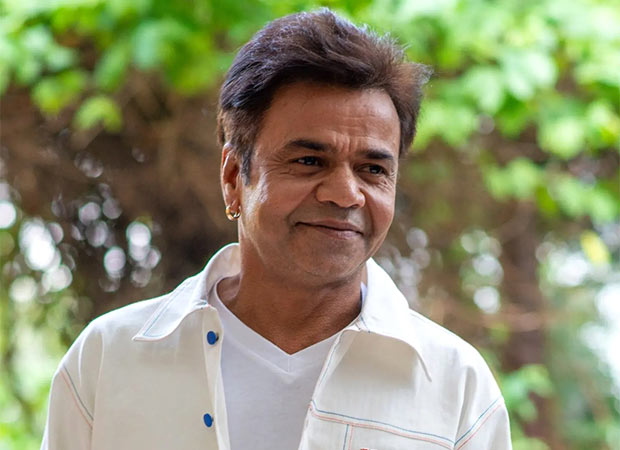
by Veteran Bollywood actor Rajpal Yadav, widely known for his comic brilliance and versatility on screen, recently found himself back in the limelight—not for his performances, but for a legal battle that has been dragging on for over a decade. In February 2026, the Delhi High Court granted him temporary relief in the Rs. 9 crore cheque bounce case, allowing him to attend a family wedding. While this bail order offers momentary respite, it does not equate to acquittal, leaving fans and industry observers closely watching the actor’s legal journey.
Origins of the Legal Dispute: From Aspiration to Controversy
The legal saga of Rajpal Yadav traces back to 2010, when he sought a loan of Rs. 5 crores from Murali Projects Pvt Ltd., a Delhi-based firm, to finance his directorial venture, Ata Pata Laapata. At the time, Yadav, primarily recognized for his comic roles in Bollywood hits, was attempting to expand his artistic footprint by moving behind the camera.
Released in 2012, Ata Pata Laapata unfortunately did not resonate with audiences, failing to recover its investment. The resulting financial stress initiated a prolonged dispute between Yadav and the lending company. Multiple cheque-bounce cases soon followed, escalating the outstanding liability over the years to nearly Rs. 9 crores, including accumulated interest and penalties.
Despite sporadic attempts at repayment and legal mediation, the actor’s financial obligations remained unresolved, culminating in a prison sentence in 2018. Yadav served three months of a six-month sentence in Tihar Jail before being released on bail pending appeal. Yet, the matter never truly subsided, occasionally resurfacing in court proceedings and media reports.
The February 2026 Developments: Bail for a Family Occasion
In February 2026, the case regained significant attention when Rajpal Yadav surrendered to authorities following the High Court’s observation that he had breached multiple undertakings regarding repayment. The Delhi High Court, presided over by Justice Swarana Kanta Sharma, emphasized that despite over 25 adjournments, there had been little evidence of “sincere and genuine measures” to clear the liability.
On February 19, 2026, Yadav was granted temporary bail to attend his niece’s wedding—a decision that balances personal obligations with judicial accountability. The court stressed that this relief was strictly temporary and directed the actor to be physically or virtually present for the next major hearing scheduled for March 18, 2026.
The decision was widely covered in media outlets, with many noting the unusual nature of bail being granted for a family event amidst ongoing legal proceedings. This step has been perceived as a humane approach, allowing the actor to fulfill familial duties while still remaining accountable to the court.
The Rajpal Yadav case also sheds light on the emotional toll prolonged litigation can take on individuals, particularly public figures. Beyond the financial implications, repeated court appearances, media scrutiny, and reputational damage can significantly impact mental well-being. For an actor whose career thrives on public perception, sustained legal battles can influence casting decisions, brand endorsements, and audience reception. While the legal process must run its course, the human dimension of such disputes often remains understated. In Yadav’s situation, balancing personal dignity with public accountability has become as crucial as resolving the financial liability itself.
Another important aspect is the evolving judicial stance on financial default cases involving celebrities. Indian courts have increasingly emphasized restitution over prolonged incarceration, especially in cheque bounce matters where repayment remains the central objective. The Delhi High Court’s insistence on payment via Demand Draft instead of Fixed Deposit Receipt reflects a firm commitment to ensuring that the complainant’s dues are realized without procedural delays. This approach demonstrates a broader legal trend: courts are less inclined to entertain repeated adjournments and more focused on tangible compliance, particularly in high-value financial disputes.
The entertainment industry itself is no stranger to financial volatility. Film production involves unpredictable variables—audience reception, market competition, distribution challenges, and changing viewer preferences. When projects fail commercially, the financial burden can be immense, especially if personal loans or guarantees are involved. Rajpal Yadav’s experience underscores how creative ambition, while admirable, can carry substantial financial risks. For aspiring filmmakers, this case reinforces the importance of structured funding models, transparent agreements, and contingency planning to avoid similar long-term legal consequences.
Public reaction to the temporary bail order has also highlighted society’s divided perspective on celebrity accountability. While many sympathize with Yadav’s need to attend a family wedding, others argue that financial obligations should take precedence over personal events. This dichotomy reflects a broader societal debate about privilege and fairness within the justice system. Courts must walk a fine line—ensuring equal treatment under the law while considering humanitarian grounds when appropriate. In granting temporary relief without dismissing the charges, the judiciary appears to have attempted precisely that balance.
Looking ahead, the March 18, 2026 hearing may prove decisive in shaping the final outcome of this long-standing dispute. If substantial repayment progress is demonstrated, it could pave the way for a structured settlement plan and potential closure. Conversely, failure to comply with court directives may result in stricter enforcement measures. For Rajpal Yadav, the coming weeks are critical—not only in resolving a financial matter but also in restoring professional stability. The case ultimately serves as a reminder that resilience, responsibility, and timely action are essential in navigating both artistic ambition and financial accountability.
Court Directives: Ensuring Restitution for the Complainant
While Yadav’s temporary release was approved, the bench reiterated that restitution for the complainant remains paramount. The court rejected the suggestion of settling dues through a Fixed Deposit Receipt (FDR), citing the need for immediate realization of funds. Instead, it directed that all payments should be made via a Demand Draft (DD), ensuring that the complainant could access the money without delay.
This approach underscores the judiciary’s dual responsibility: upholding the law while accommodating personal circumstances. It also highlights the court’s priority of protecting creditor interests, even when high-profile individuals are involved.
Industry Support and Public Response
The case has garnered considerable attention not only from media outlets but also within the Bollywood fraternity. Reports suggest that several industry colleagues extended financial support to Yadav, helping him deposit approximately Rs. 1.5 crore into the complainant’s account by mid-February 2026.
Fans and observers have expressed mixed reactions on social media. Some praised the court’s humane approach, while others emphasized that public figures should maintain financial discipline and accountability. The episode has also reignited discussions about the pressures actors face when investing personal resources into creative projects, particularly directorial ventures that carry significant financial risk.
Rajpal Yadav: The Journey of a Beloved Actor
Rajpal Yadav has carved a unique niche in Bollywood. Known primarily for his comic roles in films like Hungama, Bhool Bhulaiyaa, and Chup Chup Ke, Yadav’s career spans over two decades. His ability to seamlessly transition between humor and emotional depth has made him a favorite among audiences and filmmakers alike.
However, his foray into direction with Ata Pata Laapata illustrates the risks actors take when venturing into production and direction. While the creative endeavor reflects his ambition, it also underscores the financial challenges artists face when personal funds are invested in high-risk projects. The ongoing legal battle serves as a cautionary tale for industry aspirants considering similar ventures.
Understanding Cheque Bounce Cases in India
Cheque bounce cases are a significant legal concern in India. Governed under Section 138 of the Negotiable Instruments Act, 1881, such cases are criminal in nature. Individuals who issue cheques without sufficient funds, or fail to honor payments, can face imprisonment and fines.
In Yadav’s situation, the escalation from an initial Rs. 5 crore loan to nearly Rs. 9 crores demonstrates how financial obligations can multiply over time due to accrued interest, penalties, and repeated legal proceedings. The case highlights the need for timely resolution of financial disputes and the importance of adhering to court-mandated repayment plans.
The Public and Media Angle
The case has sparked extensive media coverage, partly because of Yadav’s status as a beloved actor and partly due to the large sum involved. Media outlets have covered every development, from his surrender to Tihar Jail to the temporary bail for a wedding. This coverage illustrates the intersection of celebrity culture and legal accountability in India, and how public perception can influence the narrative surrounding high-profile cases.
Moreover, the story has generated debates on social media, with users discussing topics such as:
- The fairness of temporary bail for personal events.
- The role of industry colleagues in providing financial aid.
- The challenges actors face in independent filmmaking and production.
Legal Implications and Next Steps
While Yadav’s temporary bail provides a momentary reprieve, the case is far from resolved. The March 18, 2026 hearing will likely determine the subsequent course of action, including whether Yadav can demonstrate tangible progress in clearing his dues.
Legal experts note that failing to make significant repayments could result in renewed enforcement measures, possibly including imprisonment until the liability is settled. The court will closely monitor the actor’s compliance, balancing judicial prudence with personal circumstances.
Lessons for the Film Industry
Several takeaways emerge from this prolonged legal dispute:
- Financial Prudence in Projects: Actors and filmmakers must carefully evaluate financial risks before investing personal funds in creative ventures.
- Legal Awareness: Understanding the implications of cheque issuance and repayment is critical, especially in high-value transactions.
- Industry Support: The assistance Yadav received from colleagues reflects the collaborative nature of the film industry, where peers often step in to help during crises.
- Balancing Personal and Professional Life: The court’s decision to allow temporary bail for a family wedding highlights the importance of acknowledging personal obligations, even amidst legal challenges.
Conclusion
Rajpal Yadav’s temporary bail in the Rs. 9 crore cheque bounce case underscores a complex interplay of law, celebrity, finance, and personal obligations. The case, which has spanned over 15 years, illustrates how initial financial disputes can snowball into prolonged legal battles, impacting both professional and personal life.
As the actor prepares to attend his niece’s wedding and continues to work towards resolving his dues, all eyes will remain on the March 18, 2026 hearing. For fans and industry insiders alike, this episode serves as a poignant reminder that talent and fame must be matched with responsibility and accountability.