 by
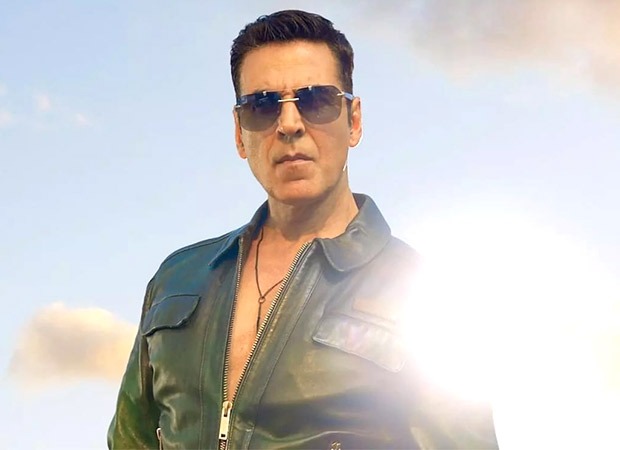
by Indian television stands at the brink of another potential game-show phenomenon. After decades in which Kaun Banega Crorepati emerged as the gold standard of intelligent, family-friendly entertainment, Sony Entertainment Television is preparing to roll the dice on a new global format—Wheel of Fortune—with Bollywood superstar Akshay Kumar set to host its Indian edition.
The development has generated considerable buzz across television and film circles, not merely because of the iconic format being introduced, but due to the strategic precision behind its execution. At the heart of Sony’s ambitious plan is Akshay Kumar, whose casting is being widely described as the project’s strongest asset and a decisive factor in positioning the show as a potential prime-time leader.
Industry insiders believe the move signals Sony’s intent to reclaim dominance in the high-stakes game-show segment, a space that has long been defined by familiarity, trust, and appointment viewing.
A New Chapter in India’s Game-Show Legacy
For more than two decades, the Indian television audience has associated the game-show genre almost exclusively with Kaun Banega Crorepati. Hosted by Amitabh Bachchan, the show transformed the television landscape by combining intellect, aspiration, emotional storytelling, and star power into one compelling package.
Its success proved a vital truth about Indian viewers: when presented with smart content anchored by a credible and respected host, audiences are willing to engage deeply and consistently.
Sony’s decision to introduce Wheel of Fortune suggests the channel is now ready to write the next chapter of that legacy. Rather than replicating the emotional gravitas of KBC, Sony appears to be betting on a different but equally powerful formula—fast-paced fun, universal accessibility, visual spectacle, and the infectious energy of Akshay Kumar.
Why
Wheel of Fortune
?
Originally launched in the United States in 1975, Wheel of Fortune is among the longest-running and most successful game shows in global television history. Over the decades, it has been adapted in more than 60 countries, cutting across languages, cultures, and demographics.
The core appeal of the format lies in its simplicity. Contestants spin a wheel, solve word puzzles, and win prizes. There is no prerequisite of advanced knowledge or high-pressure trivia, making the show inherently inclusive. Anyone—regardless of educational background or age—can participate and enjoy the experience.
For Indian audiences, this accessibility could prove crucial. In a market as diverse as India’s, formats that rely heavily on specialised knowledge can sometimes alienate sections of viewers. Wheel of Fortune, by contrast, invites participation through everyday language, intuition, and luck—elements that resonate widely.
Sony’s acquisition of the Indian rights to the format underscores its confidence in the show’s adaptability and enduring appeal.
Akshay Kumar: The Strategic Centrepiece
While the global credibility of Wheel of Fortune is undeniable, industry consensus suggests that Akshay Kumar’s involvement is what truly elevates the project.
“Akshay was always the first and only choice,” a source closely associated with the development revealed. “Sony wasn’t looking for just a host; they were looking for a personality who could bridge generations, geographies, and sensibilities. Akshay fits that bill perfectly.”
Akshay Kumar occupies a rare position in Indian entertainment. He is a Bollywood superstar with decades of box-office success, yet he retains an everyman relatability that few actors manage to sustain at that level of fame. His off-screen persona—disciplined, approachable, witty, and grounded—has consistently resonated with audiences across urban and rural India.
Crucially, he is never intimidating. In a game-show format where contestants are ordinary people, that quality is invaluable.
A Natural Host with Proven Television Connect
Akshay Kumar is no stranger to television hosting. His previous stints have demonstrated an instinctive understanding of live formats, audience interaction, and unscripted moments. Unlike actors who appear stiff or overly performative on television, Akshay brings an effortless ease that makes participants comfortable and viewers invested.
His humour is spontaneous rather than rehearsed, his reactions authentic rather than exaggerated. He listens to contestants, engages with their stories, and often becomes part of their emotional journey rather than overshadowing it.
Sony is reportedly keen to ensure that Akshay’s star power enhances the format without overwhelming it. The aim is not to turn Wheel of Fortune into a celebrity-centric show, but to use Akshay’s presence as a reassuring anchor—someone who guides the experience while keeping the spotlight firmly on the contestants.
Reinventing the Game-Show Space
Television insiders see Sony’s move as a carefully calculated reinvention rather than a risky experiment. For years, the game-show space in India has remained relatively static, with few formats managing to challenge the dominance of established titles.
By choosing Wheel of Fortune, Sony is opting for a format that complements rather than competes directly with KBC’s intellectual gravitas. Where KBC leans into aspiration, life-changing stakes, and emotional intensity, Wheel of Fortune promises light-hearted excitement, quick wins, and joyful unpredictability.
This differentiation is key. Instead of replicating a tried-and-tested formula, Sony appears intent on expanding the genre’s scope.
Production Scale and Visual Grandeur
Sources indicate that Sony is investing heavily in the production design of Wheel of Fortune, aiming to deliver a premium prime-time experience that matches global standards.
The Indian adaptation is expected to feature:
- A visually grand, technologically advanced set
- A larger-than-life wheel designed to become a visual icon
- Immersive lighting and sound design
- Seamless integration of digital graphics
The objective is to make the show feel aspirational yet accessible—spectacular without being intimidating.
Sony is also reportedly exploring ways to ensure the show translates well across platforms, including television and digital streaming, recognising the increasingly fragmented viewing habits of Indian audiences.
Family-Friendly Entertainment in a Fragmented Era
One of the most significant challenges facing Indian television today is the erosion of collective viewing. With OTT platforms catering to niche tastes and on-demand consumption fragmenting audiences, shows that can bring families together in front of the television have become increasingly rare.
Sony is positioning Wheel of Fortune as precisely that kind of show—a shared viewing experience that appeals to children, parents, and grandparents alike.
Akshay Kumar’s broad-based appeal plays a critical role here. He is equally recognisable to younger viewers who grew up watching his action comedies and older audiences who appreciate his discipline and consistency. That cross-generational connect is something few stars possess today.
Cultural Adaptation: Making a Global Format Indian
Adapting a global format for Indian audiences is never a straightforward process. Beyond language translation, it requires cultural sensitivity, regional inclusivity, and tonal calibration.
Sources suggest that Sony and the show’s creative team are working closely to ensure the Indian version of Wheel of Fortune reflects local sensibilities. This includes:
- Puzzles and wordplay rooted in Indian languages and cultural references
- Contestant stories drawn from diverse regions and backgrounds
- Humour that feels organic rather than imported
Akshay Kumar is expected to play an active role in shaping this adaptation, offering inputs that align the format with Indian viewing habits and emotional rhythms.
The Business Perspective: Why Sony Is Betting Big
From a business standpoint, Wheel of Fortune represents a strategic investment. Game shows, when successful, offer longevity, consistent ratings, and strong advertiser interest. They also lend themselves well to sponsorship integrations without disrupting the viewing experience.
With Akshay Kumar at the helm, Sony is likely to attract premium advertisers looking to associate with a high-visibility, family-friendly property.
Moreover, the format’s adaptability opens the door to future expansions—special episodes, festive editions, celebrity versions, and regional adaptations.
Akshay Kumar’s Career Synergy
For Akshay Kumar, hosting Wheel of Fortune aligns seamlessly with his evolving career trajectory. At a time when stars are diversifying across platforms and formats, television hosting allows him to connect with audiences in a more immediate and personal way.
Unlike film roles, which are mediated through characters, a game show presents the star as themselves—unfiltered, spontaneous, and relatable. For an actor like Akshay, whose public image thrives on authenticity and warmth, this is a natural extension.
The show also reinforces his positioning as an all-India entertainer, transcending the boundaries between cinema and television.
Can
Wheel of Fortune
Become India’s Next Appointment Show?
The question dominating industry conversations is whether Wheel of Fortune can replicate the cultural impact of shows like KBC.
While comparisons are inevitable, insiders caution against measuring success purely in terms of legacy replication. Instead, they argue, the show should be evaluated on its ability to carve out its own identity.
With a globally proven format, significant production investment, and one of Bollywood’s most dependable stars as host, Wheel of Fortune enters the Indian market with formidable advantages.
Much will depend on execution—how well the show balances pace, warmth, spectacle, and emotional engagement.
The Road Ahead
Sony is expected to begin shooting by mid-January, with promotional campaigns likely to follow soon after. Early indications suggest the channel is planning a high-decibel launch, positioning the show as a marquee offering rather than a routine addition to its programming slate.
As Indian television continues to navigate changing viewer preferences, Wheel of Fortune represents a bold but calculated step—one that blends global credibility with local star power.
Conclusion: A Spin That Could Change the Game
The arrival of Wheel of Fortune on Indian television, hosted by Akshay Kumar, signals more than just the launch of another game show. It reflects a renewed belief in the power of shared entertainment, familiar faces, and formats that invite joy rather than intimidation.
If executed with the care and creativity it promises, the show could well mark the beginning of a new era in Indian game-show programming—one where global formats find authentic local expression, and where a spinning wheel becomes the centre of family evenings once again.
With Sony’s backing and Akshay Kumar’s unmistakable charm, Wheel of Fortune is poised to take its most important spin yet—right into the heart of Indian living rooms.