 by
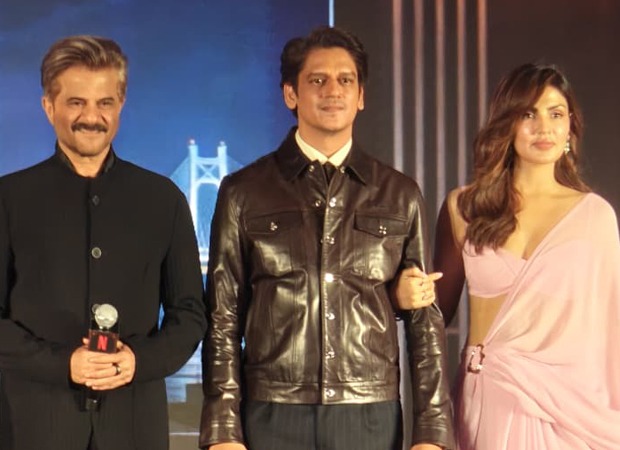
by Rhea Chakraborty, once one of Bollywood’s promising young talents, is making a compelling return to acting after more than five years away from mainstream cinema. Her comeback is anchored by a role in the upcoming Netflix original web series Family Business, starring alongside veterans like Anil Kapoor and acclaimed contemporary actors such as Vijay Varma. Announced at Netflix’s recent “Next on Netflix” event in Mumbai, this series marks not only Chakraborty’s return to performance after a long hiatus, but also a significant moment in her personal and professional narrative—one that merges resilience, reinvention, and redemption.
For many observers of Bollywood’s evolving landscape, Rhea’s comeback isn’t just about a new role; it’s a testament to perseverance under pressure. Her decade‑long journey—from aspiring MTV VJ to film actress, followed by one of the most publicized and controversial downturns in recent Bollywood history—makes this moment notably significant.
Early Promise: Rhea’s Debut and Bollywood Beginnings
Rhea Chakraborty initially entered the entertainment world as a video jockey (VJ) on MTV India, a platform through which many young talents have gained widespread public attention. Her early on‑screen energy and charisma quickly garnered interest, setting the stage for her transition into films.
Her Bollywood debut came in 2013 with Mere Dad Ki Maruti, a light‑hearted comedy that allowed her to showcase both her comic timing and screen presence. Over the next several years, she featured in a range of films across genres—from Sonali Cable and Bank Chor to Half Girlfriend and Jalebi. These roles established her as a familiar face in the industry and hinted at broader acting potential.
Her last major film role before her hiatus was in Chehre (2021), where she shared screen space with legends such as Amitabh Bachchan and Emraan Hashmi. Despite mixed critical responses to the film, Chakraborty’s performance was noted for its maturity and grounding compared to some of her earlier work.
The Storm: Public Scrutiny and Career Halt
In 2020, the tragic death of actor Sushant Singh Rajput sent shockwaves across India and the film industry. Chakraborty, then in a high‑profile relationship with Rajput, became embroiled in a wave of public and media attention that quickly turned hostile. Although numerous investigations—including inquiries by the Central Bureau of Investigation (CBI) and other agencies—ultimately failed to establish any criminal wrongdoing on her part, the reputational damage was profound and immediate.
During this period, Chakraborty’s public persona was relentlessly scrutinized in mainstream media, social platforms, and political spheres. She became the focal point of intense speculation, often portrayed as culpable despite the absence of conclusive evidence. The public trial by media overshadowed legal processes, creating a cloud of controversy that impacted her ability to secure work in films and series.
Film offers dried up, and the promising trajectory she had forged in early years appeared to stall almost overnight. It was a stark reminder of how powerful public perception and media narratives can be in an industry where image often drives opportunity. For many, this chapter seemed likely to define her career.
Rebuilding: Business, Voice, and Brand
Rather than retreat entirely from the public eye, Chakraborty chose to reinvent parts of her professional life. She turned her focus toward entrepreneurship and personal storytelling. Her podcast Chapter 2 became a platform for reflective conversation and introspection, giving her a voice independent of the film roles that had defined her earlier career.
The success of the podcast catalyzed another venture—her streetwear clothing brand Chapter 2 Drip, founded in 2024 with her brother, Showik. What began as a symbolic expression of new beginnings blossomed into a business with substantial commercial success. With early seed funding and strong consumer reception, the brand achieved a valuation around ₹40 crore in less than a year. This venture was more than commercial—it was emblematic of Rhea’s resilience and desire to transform adversity into creative, empowering work.
In June 2025, Rhea and her brother opened their first offline store on Mumbai’s bustling Linking Road, turning the success of their online presence into a physical community space. Rhea dubbed herself proudly a “shopkeeper,” underscoring both her entrepreneurial humility and her willingness to redefine success on her own terms.
The Road Back to Acting: Family Business
The announcement of Family Business at Netflix’s Mumbai event signaled Rhea Chakraborty’s official return to mainstream performance after more than five years away. The series, backed by industry heavyweights such as Anil Kapoor and directed by acclaimed filmmaker Hansal Mehta, involves a compelling ensemble cast and a story centered on corporate power struggles within a family.
Chakraborty appeared at the event alongside Kapoor, Vijay Varma, and other cast members including Nandish Singh Sandhu and Tena Desae, underlining the collaborative nature of this new project. The presence of creator/director Hansal Mehta and producer Vikram Malhotra further indicated the series’ high production values and substantial backing.
While plot details remain under wraps, Family Business promises layered storytelling around issues of inheritance, corporate ambition, and the personal costs of maintaining power within a family context—an ambitious narrative that could offer Rhea a complex role far removed from the light comedies of her early career.
What This Return Represents
For Rhea Chakraborty, the return to acting is not just about being cast in a series; it’s a symbolic reclamation of agency and artistic identity. After years marked by controversy, public speculation, and professional absence, Family Business represents a new chapter. It suggests that while events outside her control once sidelined her career, she now has the opportunity to redefine her artistic legacy on her own terms.
Her trajectory—marked by early success, dramatic setback, business success, and now a creative resurgence—reflects a multifaceted approach to life in and beyond cinema. Rather than fading into obscurity after a period of professional stagnation, Chakraborty diversified her portfolio, honed new skills, and built tangible accomplishments outside conventional frameworks of film stardom.
This comeback may also signal a deeper shift in how Indian entertainment industries are evolving. OTT platforms like Netflix are offering new spaces for talent to re‑emerge and redefine themselves, unconstrained by traditional film casting dynamics and media glare. For actors who might have been boxed out of mainstream cinema due to controversy, these platforms provide avenues for narrative control, artistic experimentation, and connection with audiences in fresh, dynamic ways.
Audience Expectations and Industry Impact
Fans and observers alike have responded to Rhea’s comeback announcement with a mix of curiosity, anticipation, and support. Social media buzz reflects both excitement and cautious optimism about how her character will be portrayed and how the series will fare critically and commercially.
From an industry perspective, Family Business brings together diverse talent—from seasoned veterans like Anil Kapoor to contemporary actors like Vijay Varma—suggesting a collaborative space where performance range and creative ambition converge. Rhea’s inclusion in such a company signals that producers and creators are willing to look beyond past controversies and recognize potential talent and audience interest.
Moreover, her successful entrepreneurial journey adds a compelling subtext to her return. Family Business—with its themes of power dynamics, family ties, and personal ambition—could resonate more deeply knowing that Rhea’s own life reflects similar complexities of ambition, adversity, and reinvention.
Looking Ahead: Possibilities and Potential
As Family Business moves toward production and release, speculation about Chakraborty’s role will only intensify. Viewers are likely to scrutinize her performance, character depth, and screen chemistry with fellow cast members. What’s clear, however, is that her participation in this series opens up possibilities for richer, more varied future roles.
Success in this project could lead to further opportunities—potentially bridging television, cinema, and digital platforms in new ways. It could also encourage other content creators to rethink casting choices and extend meaningful opportunities to actors whose careers have faced setbacks due to external pressures rather than lack of talent.
In a broader cultural context, Rhea Chakraborty’s return underscores evolving narratives around mental health, media responsibility, and the intersection of personal misfortune with public identity. Her journey reminds us that careers in the public eye can be fragile yet resilient, and that reinvention—though difficult—is possible with the right combination of talent, timing, and platform support.
Conclusion
Rhea Chakraborty’s comeback with Family Business is a landmark moment—both for her personally and for the larger entertainment ecosystem. It signifies the end of a long, turbulent chapter and the beginning of another defined by possibility rather than speculation. Her story, marked by early promise, hardship, reinvention, and now return, is one of resilience in the face of adversity.
As audiences prepare to see her in Family Business, there’s reason to view this not just as a comeback, but as a continuation of a multifaceted career that has been anything but conventional. Whether her performance captivates audiences or sparks fresh conversations, one thing is clear: Rhea Chakraborty’s narrative is far from finished, and her next chapter is poised to be as compelling as the last.