 by
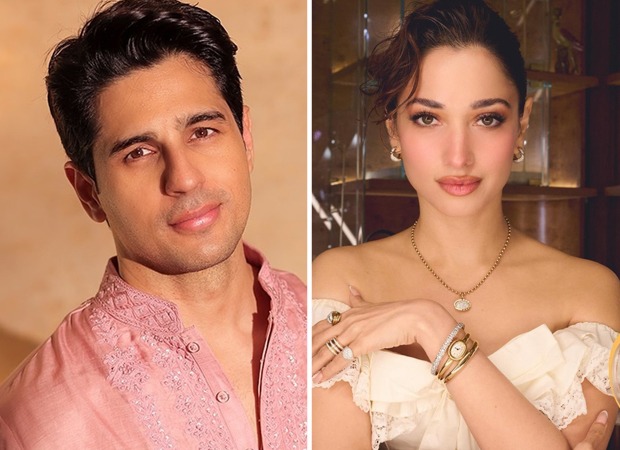
by The Hindi film landscape is no stranger to mythology and folklore — from ancient epics adapted on film to supernatural thrillers that dip into regional legends. Yet very few mainstream projects dare to explore cultural footpaths as deeply rooted as folklore, blending traditional ethos with modern cinematic storytelling. Vvan – Force of the Forest is poised to be one such rare film. Headlines have recently emerged claiming that the film’s lead stars Sidharth Malhotra and Tamannaah Bhatia are likely to shoot an evocative folklore‑inspired dance sequence in Mumbai — a development that has sparked curiosity among audiences and critics alike.
In this article, we unpack the emerging details around Vvan, the cultural and cinematic implications of a folklore‑based dance sequence, the significance of its cast and production crew, and why this film could mark an important moment for genre innovation within Hindi cinema.
A Rare Genre for Hindi Cinema
Vvan – Force of the Forest is described as a folk thriller rooted in Indian mythology and mysticism — a blend that is uncommon in large‑scale Bollywood films. Unlike conventional supernatural or horror films that rely on jumpscares or melodrama, a folklore thriller delves into ancient narratives, regional beliefs, and spiritually charged landscapes that form part of India’s cultural memory.
The film’s title Vvan — literally forest — signals its deeply organic connection to nature and myth. Forests have played symbolic roles in Indian storytelling for centuries: as realms of transformation, sites of hidden sages, secret temples, spirits, and untold mysteries. A folklore thriller set in such an environment promises not just scares but cultural resonance, tethered to stories that have been told and retold across generations.
Within mainstream Indian cinema, few films truly showcase indigenous folklore beyond surface aesthetics. Vvan’s choice to centralize folklore in its narrative and visual world could offer audiences a more immersive and culturally resonant cinematic experience — provided it is executed with authenticity and depth.
The Folklore Dance Sequence: More than Mere Entertainment
Talk of a folklore‑based dance sequence featuring Sidharth Malhotra and Tamannaah Bhatia has recently gained momentum. Reports suggest that this sequence — set to be filmed in Mumbai — will be crafted not as a routine item number but as an extension of the film’s thematic core: tying performance with narrative world‑building in a meaningful way.
Here’s why this matters:
1. Dance as Narrative Device
In Indian cinematic tradition, songs and dances are often interludes rather than story elements. However, a folkloric dance sequence — grounded in tradition, myth, and cultural symbolism — can serve as a narrative device: conveying lore, character motivations, or emotional history without simplistic exposition.
Think of ancient traditions like Bhavai, Kalbelia, or Garba, where performance and cultural storytelling are inseparable — they become living narratives. If Vvan embraces such depth, the dance sequence might function less as spectacle and more as mythic storytelling through movement and music.
2. Thematic Continuity with Roots
A folklore dance rooted in cultural aesthetic expands the film’s world beyond regular song sequences. If done well, it can make the audience feel the rhythms of folk traditions, experiencing storytelling as an embodied ritual rather than cinematic ornamentation.
This could help elevate Vvan from a mere supernatural tale to something that resonates as a modern myth retold for contemporary viewers.
Sidharth Malhotra and Tamannaah Bhatia: Casting That Shapes Expectations
The pairing of Sidharth Malhotra and Tamannaah Bhatia as leads in Vvan signals an interesting and strategic choice from the filmmakers.
Sidharth Malhotra: The Contemporary Leading Man
Sidharth Malhotra has steadily carved a niche in mainstream cinema with action‑driven roles (such as in Yodha) and romantic dramas. His screen persona — a blend of vulnerability and charm — has made him popular among audiences. Although Vvan places him in a dramatically different context (a folkloric mystery rather than urban drama), his commitment to varied roles suggests a willingness to expand his artistic range.
Tamannaah Bhatia: The Versatile Star
Tamannaah’s career spans multiple industries — from Hindi cinema to Telugu and Tamil films. She is known for her dance skills, strong screen presence, and versatility across genres, from commercial entertainers to dramatic roles. Her inclusion in a folklore thriller adds gravitas and versatility to Vvan.
Together, they form an intriguing on‑screen pair, blending familiarity with potential novelty. Their participation in a folklore dance could serve as a highlight set piece, showcasing both performers in a culturally rooted artistic tableau.
The Mumbai Shoot: Myth Meets Metropolis
While the film’s narrative is rooted in tribal forest lore, the folklore dance sequence’s Mumbai shoot location highlights a logistical and cinematic strategy: Mumbai is, after all, where major film production infrastructure lies. Building such a sequence in a controlled environment allows for meticulous choreography, set design, and cinematography that reflect folklore’s depth — even if the narrative world remains wild and untamed.
Such a juxtaposition — nature’s mythic depth recreated in an urban filmmaking hub — illustrates how modern cinema bridges tradition and technology: crafting ancient worlds through highly technical sets, lighting, and choreography that remain faithful to folk essence.
The Makers: Balaji Telefilms Meets TVF
One of the most compelling elements of Vvan is its production pedigree: a collaboration between Balaji Telefilms and The Viral Fever (TVF). These two content powerhouses bring distinct strengths:
Balaji Telefilms
Ekta Kapoor’s Balaji Telefilms has been a dominant force in Indian television and film for decades. Known for commercial hits and widespread audience appeal, Balaji brings production scale, marketing reach, and an acute understanding of audience engagement.
TVF (The Viral Fever)
TVF, led by Arunabh Kumar, revolutionized digital storytelling in India with acclaimed web series that resonate with younger and urban audiences. Their storytelling sensibilities often lean toward authenticity, character depth, and cultural nuance.
The collaboration between these two entities represents a creative crossroads — blending cinematic scale with layered storytelling that can cater to both mass and critical audiences. Vvan thus embodies more than a film project; it is an experiment in genre, narrative style, and audience reach.
Direction, Writing, and Visual Craftsmanship
Vvan is co‑directed by Deepak Kumar Mishra and Arunabh Kumar — talents associated with acclaimed storytelling in Indian digital and cinematic narratives. Their involvement signals a focus on nuanced character arcs, atmospheric world‑building, and innovative narrative structure.
The film’s cinematography and visual design are helmed by Manu Anand, whose role as Director of Photography and Visual Director will be crucial in transforming forests, folklore, and ancient imagery into visual poetry — especially in sequences like the reported folklore dance.
What the Dance Sequence Could Mean for the Film’s Music and Choreography
Dance sequences in Indian films often become chartbusters if properly integrated with story and musical resonance. Given the folklore context of Vvan, this sequence has the potential to:
- Introduce folk musical motifs fused with contemporary arrangements
- Feature choreography that draws on regional tribal or folk dance forms
- Serve as a plot device — perhaps unveiling ritualistic or narrative lore
If the sequence is more than decoration, it can serve as a pivotal emotional or mythological moment within the film.
Audience Anticipation and Theatrical Release
The anticipation around Vvan continues to grow, especially as new details — like the folklore dance sequence — surface. The makers have officially announced the film’s theatrical release for May 15, 2026, setting expectations for a summer cinematic event rather than a festival release.
This timing indicates confidence in the film’s ability to attract broad audiences, potentially including:
- Urban multiplex viewers interested in novel cinema
- Fans of mainstream Bollywood stars
- Audiences curious about folklore and narrative experimentation
The intriguing blend of star power, genre innovation, cultural storytelling, and collaboration between strong creative houses makes Vvan one of the most anticipated films on the 2026 slate.
Broader Implications for Indian Cinema
Vvan signals a larger trend: Indian cinema’s increasing willingness to explore indigenous genres with authenticity. While mythology and folk stories have been part of film for decades, few mainstream projects have fully embraced folklore as narrative foundation without tipping into stereotype or kitsch.
If Vvan succeeds — creatively and commercially — it may pave the way for more films that:
- Celebrate regional myths and legends
- Treat folk traditions with narrative depth
- Blend ritualistic performance and cinema
- Expand Hindi cinema’s emotional and cultural vocabulary
This could open doors for filmmakers, actors, and writers interested in rooted storytelling that speaks to both local and global audiences.
Conclusion: A Folkloric Journey Worth Watching
The buzz around Sidharth Malhotra and Tamannaah Bhatia’s folklore dance sequence in Vvan is more than tabloid curiosity — it reflects a film sensibility that values cultural depth, narrative innovation, and artistic fusion. As audiences await further official details and eventual glimpses of this sequence, one thing is clear: Vvan – Force of the Forest is not just another commercial film — it’s a cultural experiment, cinematic exploration, and narrative celebration that could redefine how folklore is conceived on the Hindi film screen.