 by
by
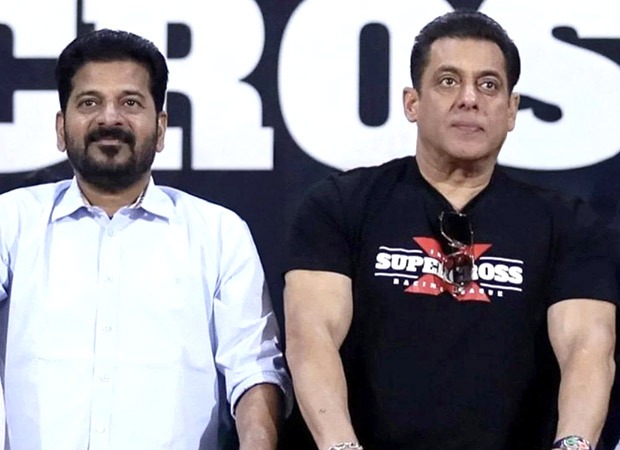
Bollywood superstar Salman Khan — long familiar to the public as a film actor, producer, and entrepreneur — is now weaving a vastly different kind of story: one of urban transformation, infrastructure investment, and creative‑economy ambition. On December 9, 2025, Salman Khan Ventures Pvt Ltd (SKV) signed a memorandum of understanding (MoU) with the Telangana government to develop a massive integrated township, valued at ₹ 10,000 crore, over 500 acres in Telangana.
The scale of this project marks one of the most ambitious non‑film investments by a Bollywood celebrity in recent times. The township is billed not just as a residential or commercial zone, but as a “next‑generation smart city” — blending living, working, entertainment, leisure, sports, and creative production under one masterplan.
Given Salman Khan’s brand and reach, the announcement has stirred interest far beyond the typical boundaries of real estate — it signals a convergence of Bollywood glamour, urban planning, luxury lifestyle, and Telangana’s ambitions for growth. But what does this plan actually propose, and what could be the potential impact?
What the Project Proposal Consists Of: A Deep Dive into the Masterplan
According to official SKV statements and media coverage, the proposed township aims to integrate various components to deliver a self‑contained, world‑class urban ecosystem. Here are the core features:
• Mixed‑Use Residential, Commercial, and Retail Zones
- The township will host branded residences and premium housing for those seeking a lifestyle upgrade.
- Mixed-use commercial districts are part of the plan — meaning offices, retail, high‑street shops, and business zones will coexist within the township.
- High-end retail avenues and premium hotels are also envisaged, aiming to attract affluent buyers and visitors alike.
• Entertainment, Leisure & Lifestyle Amenities
- Large entertainment complexes designed for modern urban consumers — these could include cinemas, event spaces, malls, dining, and nightlife.
- Leisure amenities such as a championship‑level golf course, a racecourse, and other sports‑oriented facilities.
- Additional recreational features: curated nature trails, possibly landscaped green zones, walking paths — a nod to combining luxury with nature.
• Film & Creative Production Hub
- At the heart of the project lies a state-of-the-art film studio complex — built to support large‑format film productions, OTT‑content creation, post‑production work, VFX, and more.
- The plan reportedly includes talent‑development programmes, aiming to train local artists, technicians, and creative professionals up to international standards.
- By merging residential, leisure, and production spaces, the township envisions a creative ecosystem where living, working and entertainment coexist — potentially making it a major hub for national and international film production.
• Integrated Infrastructure & Connectivity
- The integrated township is expected to come with urban‑style amenities, infrastructure support, and connectivity — though detailed plans (transport, roads, utilities) have not yet been publicly released. However, the government’s facilitation in regulatory support and land structuring suggests such infrastructure will be part of the rollout.
- Given that the announcement came within the context of the Telangana Rising Global Summit — which saw multiple mega‑investment commitments — SKV’s project seems aligned with broader state-level ambitions for urbanization, creative‑economy growth, and luxury tourism.
In short: the SKV township aims to be a self-sufficient mini‑city — a blend of high-end real estate, luxury living, lifestyle amenities, entertainment zones, and a globally competitive film-production ecosystem.
Why Telangana? Understanding the Strategic and Cultural Fit
The decision to pick Telangana — presumably around Hyderabad / “Future City” / Bharat Future City — for this venture appears to be a strategic one, shaped by recent developments and the state’s evolving identity.
• Telangana’s Push for Creative & Entertainment Economy
Telangana, especially Hyderabad, has been positioning itself as a hub for media & film production, VFX studios, and creative industries. With existing infrastructure like established film studios, a growing pool of talent, and relatively lower costs compared to Mumbai or other metros, Hyderabad offers a compelling canvas for expansion. The SKV project leverages this momentum — adding more capacity for large-scale film and OTT content production, along with talent‑development capabilities.
By investing in studios capable of large-format films and OTT content, SKV could significantly supplement Telangana’s creative economy — opening the door for national and possibly international projects to shoot there, thus adding prestige, revenue, and jobs.
• Demand for Mixed-Use, High-End Urban Living
India’s rising middle and upper-middle classes increasingly seek integrated living spaces that combine convenience, luxury, lifestyle, and status. A township offering premium residences, leisure amenities, entertainment, and retail — all within a planned ecosystem — aligns with this demand. For a state like Telangana aiming to attract investment and residents (including NRIs or people from other states), such a project may serve as a value proposition.
• Economic Diversification and Tourism Potential
By combining residential, commercial, entertainment, sports, and creative industry infrastructure, the project aims to spur multiple economic engines simultaneously. It’s not just real estate — it’s lifestyle, tourism, entertainment, sports, and creative‑economy infrastructure. That broad diversification can help Telangana reduce over‑dependence on any single sector.
Moreover, world‑class amenities like a championship golf course, racecourse, luxury hotels, and film studio could attract both domestic and international tourists, filmmakers, and investors — potentially establishing Telangana as a premium destination for luxury tourism and creative production alike.
• Government Push and Strategic Positioning
The MoU with SKV was signed at the Telangana Rising Global Summit — a forum where the state aimed to attract large investments across sectors. Reports show the summit secured investment agreements totalling ₹ 2.43 lakh crore on day one, indicating the government’s strong appetite for bold, large‑scale projects.
SKV’s choice of Telangana thus appears to be more than coincidence — rather a response to a conducive policy environment, favorable state support, and a strategic vision from the government to transform Telangana’s urban and creative landscape.
Potential Benefits: What This Could Do for Telangana and Beyond
If the plan moves forward successfully, the SKV township could yield several benefits for Telangana, the local economy, and the broader creative sector. Here’s what’s at stake:
Job Creation Across Multiple Sectors
The sheer size of the project — ₹ 10,000 crore investment over 500 acres — means that construction alone will create hundreds or thousands of jobs over several years. But the employment impact doesn’t end there.
Once operational, the township will require staff for hospitality, retail, real estate management, maintenance, security, entertainment complexes, and hotels. Moreover, the film studio will need a range of professionals — from technicians, VFX artists, set designers, costume and makeup teams, to administrative, promotional, and logistical support. This can significantly boost local talent absorption, especially for youth interested in creative or hospitality careers.
Boost to Telangana’s Creative Economy & Soft Power
With a state‑of-the-art film and production complex capable of large‑format and OTT content, Telangana could emerge as a national — or even international — hub for film, web series, and digital content creation. This has long-term implications. A thriving creative economy can attract investments, foreign collaborations, and establish Telangana (and Hyderabad/Future City) as a brand — boosting tourism, hospitality, and ancillary industries (services, logistics, talent agencies, post-production, etc.).
Infrastructure-driven Urban Growth & Real Estate Value Appreciation
An integrated township built with global standards could accelerate urbanization in and around the selected area. Improved infrastructure, connectivity, and lifestyle amenities could drive real estate value appreciation — benefiting early investors, homebuyers, and the local real estate market. Also, by setting a benchmark for high-quality urban-planning, this project might encourage other developers to follow suit, raising urban development standards more widely.
Diversified Tourism & Lifestyle Opportunities
The mix of luxury residences, leisure facilities (golf, racecourse, nature trails), entertainment complexes, and retail makes this township a potential lifestyle destination. It may attract not only residents but domestic and international visitors — from film crews, tourists, luxury travelers, to business visitors — thus contributing to tourism revenues, hospitality growth, and supporting the hospitality and services ecosystem around the area.
Creating a New Cultural Hub & Ecosystem
By merging creative production spaces with leisure, living, and business zones, the project could enable a unique cultural ecosystem — where art, entertainment, lifestyle, and community life coexist. This could foster new collaborations, talent development, cultural exchanges, and possibly strengthen Hyderabad/Telangana’s status as a cultural hotspot beyond traditional film studios.
Challenges, Risks, and What We Should Watch Out For
While the vision is grand and the potential significant, any project of this magnitude also brings inherent challenges and risks. Here are some to keep in mind:
Implementation Risk & Timeline Uncertainties
Large‑scale projects often face delays, regulatory hurdles, land acquisition complexities, environmental and ecological assessments, and infrastructure connectivity issues. Although the MoU suggests government support and facilitation, converting blueprints into reality — especially for mixed‑use smart townships — is rarely smooth or quick.
Affordability vs. Exclusivity — Who Does It Serve?
Given the premium nature of the amenities — luxury residences, high‑end retail, leisure facilities, film‑studio access — there is a risk that the township may cater only to a niche, affluent segment. That may limit its inclusivity for average citizens or lower-income groups. The social impact will depend heavily on pricing, access policies, and whether benefits (jobs, public spaces, connectivity) can extend beyond the wealthy.
Environmental, Cultural and Social Impact
Building large developments over 500 acres can have environmental consequences — from land-use change to increased resource use (water, energy), traffic, pollution, strain on infrastructure, etc. Also, rapid urbanization and luxury‑oriented development may affect local communities — especially if land acquisition displaces existing populations or disrupts local ecosystems.
Sustainability and Long‑Term Viability
A responsive township needs well‑thought-out sustainability — in terms of environment, resource management (water, waste, energy), social infrastructure (hospitals, schools, public services), and ongoing maintenance. Without long-term planning, there’s a risk of the project degenerating into an exclusive enclave rather than a sustainable urban ecosystem.
Market Response and Demand Uncertainty
While there is growing demand for premium real estate in India, and Telangana/Hyd is an attractive location, the success of such a massive township depends on market acceptance. Factors like affordability, demand-supply balance, economic cycles, regulatory stability, and competing projects will influence uptake. Also, whether film producers — especially outside Bollywood — choose to migrate or shoot there depends on cost, convenience, and quality of infrastructure.
Conclusion
The ₹ 10,000‑crore, 500‑acre integrated township announced by Salman Khan Ventures in Telangana is nothing short of audacious — a bold fusion of luxury living, integrated urban planning, entertainment, sports, creative production, and lifestyle.
If realized as envisaged, it could be a blueprint for a new kind of Indian city — one that blends real estate, creative economy, entertainment, and infrastructure in a holistic ecosystem. It would mark a significant step forward in how Indian urban centres develop, potentially fueling job creation, talent development, creative output, real estate growth, tourism, and lifestyle transformation.
At the same time, the magnitude of challenges — from environmental concerns to social equity and execution risks — should not be underestimated. The road from MoU to reality is long and fraught with obstacles.
For Telangana, the project represents an opportunity — and a test. If managed well, it could cement the state’s position as a creative‑economic powerhouse and urban‑development leader. If mismanaged, it risks becoming yet another high-potential-but-low-delivery case.
For observers across India — including policymakers, urban planners, real estate developers, creatives, and citizens — SKV’s project offers a case study in ambition, risk, and aspiration. It may define the next chapter in Indian urbanization, if successful.
For now, all eyes will be on how quickly and transparently SKV and the Telangana government translate the blueprint into bricks, roads, studios, and homes.