 by
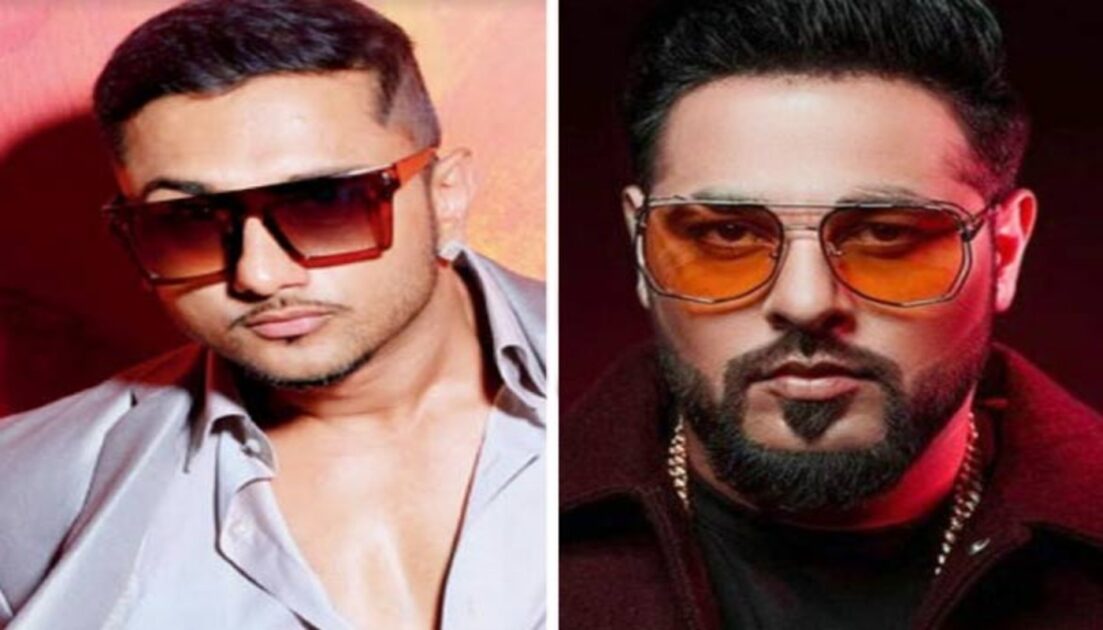
by The recent directive by the Delhi High Court ordering the immediate removal of the controversial track “Volume 1” has ignited a nationwide conversation about the boundaries of artistic freedom, the responsibility of artists, and the evolving role of the judiciary in regulating digital content. Associated with the early careers of Honey Singh and Badshah during their time with the Mafia Mundeer collective, the track has now become the center of a legal and cultural storm.
This is not merely a case about a song being taken down. It is a moment that reflects deeper tensions within India’s music industry—between expression and accountability, popularity and responsibility, and nostalgia and ethical scrutiny.
The Court’s Intervention: A Strong Message Against Misogyny
The Delhi High Court’s decision to order the immediate removal of “Volume 1” was unambiguous and forceful. After reviewing the song’s content privately, the court described the lyrics as deeply offensive, vulgar, and degrading toward women. The judge emphasized that such content holds no artistic or social value and cannot be justified under the guise of creative expression.
In an unusually sharp observation, the court even remarked that the title of the song itself was too objectionable to be recorded formally in the judicial order. This statement alone underscores the gravity of the court’s concerns and signals a broader intolerance toward content that objectifies or demeans women.
The ruling went beyond symbolic criticism. It included concrete directives requiring the removal of all versions of the song—original, remixed, or modified—from digital platforms. This encompasses streaming services, social media platforms, and any other online spaces where the track might be circulating.
Such sweeping action reflects the judiciary’s growing willingness to intervene in digital culture, especially when it intersects with issues of gender sensitivity and public morality.
From Underground Fame to Mainstream Scrutiny
To fully grasp the significance of this controversy, one must revisit the origins of Honey Singh and Badshah as part of the Mafia Mundeer group. In their early days, the collective operated largely within underground and youth-centric music circuits, where shock value, edgy lyrics, and provocative themes often contributed to viral success.
Songs like “Volume 1” were products of that era—raw, unfiltered, and designed to grab attention in a rapidly evolving digital landscape. At the time, the internet was less regulated, and platforms were more permissive about the kind of content that could gain traction.
However, what once existed on the fringes of mainstream culture has now come under intense scrutiny. As both artists transitioned into major industry figures with massive fan followings, their past work has inevitably been revisited through a more critical lens.
This shift highlights an important cultural reality: content that may have been tolerated or even celebrated in one era can become deeply problematic in another.
The Petition and the Push for Accountability
The case was initiated through a petition filed by an organization that demanded the removal of the song from major platforms such as YouTube, Google, and Spotify. The petition did not merely focus on the existence of the track but also pointed to its continued relevance and reach.
A key element in the plea was the claim that Honey Singh had recently performed portions of the song at a concert, thereby reintroducing it to contemporary audiences. This detail played a crucial role in establishing the song’s ongoing cultural presence rather than treating it as a relic of the past.
The petition argued that allowing such content to remain accessible—especially to younger audiences—could have harmful social implications. It emphasized the need for stricter oversight of digital content, particularly when it involves themes of misogyny and objectification.
By taking the petition seriously and issuing a comprehensive takedown order, the court has effectively validated concerns about the long-term impact of problematic media.
Artistic Freedom vs. Social Responsibility
At the heart of this controversy lies a fundamental question: where should society draw the line between artistic freedom and social responsibility?
Music, by its very nature, has always been a space for experimentation, rebellion, and boundary-pushing. Artists often use provocative language and themes to challenge norms, express frustration, or simply entertain. However, when such expression crosses into territory that dehumanizes or demeans specific groups, it raises ethical concerns.
The court’s ruling suggests that freedom of expression is not absolute. It must be balanced against the potential harm caused by certain forms of content. In this case, the depiction of women as objects of ridicule was deemed unacceptable, regardless of the song’s artistic intent or popularity.
This stance aligns with a broader global trend where audiences and institutions are increasingly holding creators accountable for the messages they disseminate.
Digital Platforms: Gatekeepers or Neutral Hosts?
Another critical dimension of this case is the role of digital platforms. Services like YouTube and Spotify have transformed the way music is consumed, making it accessible to millions within seconds. However, this accessibility also comes with responsibility.
The court’s directive places the onus not only on the artists but also on platforms to ensure compliance. By mandating the removal of all versions of the song, the ruling highlights the expectation that platforms must actively monitor and regulate content.
This raises complex questions about the role of technology companies. Should they act as neutral hosts that simply provide a platform for content, or should they take on a more proactive role in curating and moderating what users can access?
The answer is not straightforward. On one hand, excessive regulation can stifle creativity and limit diversity of expression. On the other hand, a lack of oversight can allow harmful content to proliferate unchecked.
The “Volume 1” controversy underscores the need for a balanced approach—one that respects artistic freedom while prioritizing social responsibility.
The Evolution of Audience Sensibilities
One of the most striking aspects of this case is how it reflects changing audience sensibilities.
A decade ago, songs with explicit or controversial lyrics often gained popularity precisely because of their shock value. They were shared widely, discussed openly, and even celebrated as symbols of bold expression.
Today, the cultural landscape has shifted significantly. Conversations around gender equality, respect, and representation have become more prominent. Audiences are more aware of the impact of media and more critical of content that perpetuates harmful stereotypes.
This shift is not limited to India. Across the world, there is a growing demand for more responsible storytelling and representation in all forms of media.
In this context, the backlash against “Volume 1” can be seen as part of a larger cultural movement toward accountability and inclusivity.
Nostalgia Under Scrutiny
Interestingly, the controversy also raises questions about nostalgia and how society engages with the past.
For many fans, early tracks by Honey Singh and Badshah are tied to personal memories and cultural moments. They represent a specific era of music that was energetic, rebellious, and unapologetically bold.
However, nostalgia can sometimes obscure problematic elements. What once seemed entertaining may now appear offensive or inappropriate when viewed through a modern lens.
The court’s decision effectively challenges audiences to reconsider their relationship with such content. It asks whether nostalgia should excuse or justify material that does not align with contemporary values.
This is a difficult but necessary conversation—one that extends beyond music to other forms of media, including films, television, and literature.
Legal Precedent and Its Implications
The removal order also has significant legal implications.
By taking a firm stand against the song, the Delhi High Court has set a precedent for how similar cases might be handled in the future. It signals that courts are willing to intervene when content is deemed harmful or offensive, even if it falls under the category of artistic expression.
This could lead to increased scrutiny of other controversial works, both past and present. Artists and producers may need to be more mindful of the potential legal consequences of their content.
At the same time, there is a risk of overreach. If not applied carefully, such interventions could lead to censorship and limit creative freedom.
The challenge lies in finding a balance—ensuring that harmful content is addressed without stifling innovation and expression.
The Responsibility of Artists in the Digital Era
In today’s interconnected world, artists wield immense influence. Their work reaches audiences across demographics, geographies, and age groups. This reach comes with responsibility.
The “Volume 1” controversy serves as a reminder that creative choices have real-world implications. Lyrics that objectify or demean can contribute to harmful attitudes and behaviors, particularly when consumed by impressionable audiences.
This does not mean that artists must avoid difficult or controversial topics. On the contrary, art often plays a crucial role in addressing social issues and sparking dialogue.
However, there is a difference between challenging norms and reinforcing harmful stereotypes. The former can lead to progress, while the latter can perpetuate existing problems.
As the industry evolves, artists may need to adopt a more thoughtful and conscious approach to their work.
What Lies Ahead: Compliance and Continued Monitoring
The court has scheduled the next hearing for May 7, indicating that the matter is far from over. In the meantime, authorities have assured that any remaining links or versions of the song will be addressed promptly.
The petitioner has also been granted the ability to identify additional instances of the track and report them for removal. This collaborative approach between the judiciary, authorities, and civil society reflects a broader effort to ensure compliance.
For Honey Singh and Badshah, the case represents a critical moment in their careers. While both artists have evolved significantly since their early days, this controversy serves as a reminder that past work can resurface and carry consequences.
Conclusion: A Defining Moment for Music and Society
The removal of “Volume 1” is not just about a single song. It is about the kind of culture society wants to promote and the values it seeks to uphold.
It highlights the power of the judiciary to shape public discourse, the responsibility of artists to consider the impact of their work, and the role of audiences in demanding better representation.
As the music industry continues to evolve, cases like this will likely become more common. They will force difficult conversations about freedom, responsibility, and the boundaries of expression.
Ultimately, the “Volume 1” controversy serves as a turning point—a moment that challenges everyone involved, from creators to consumers, to think more critically about the content they produce and consume.
In doing so, it opens the door to a more conscious and inclusive cultural landscape—one where creativity thrives, but not at the cost of dignity and respect.