 by
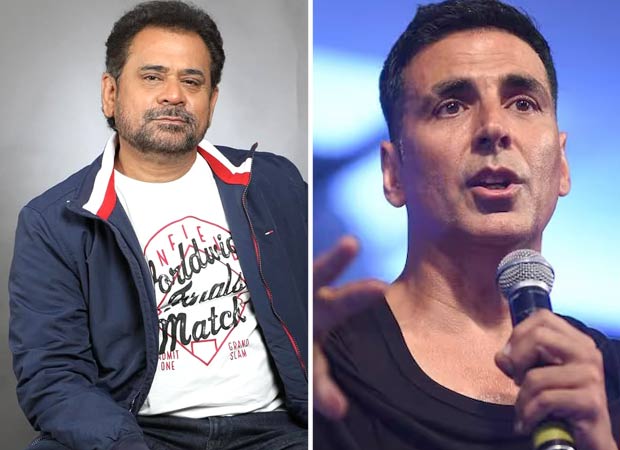
by In an industry driven by reinvention, nostalgia often carries the power to ignite extraordinary anticipation. When two creative forces with a proven history decide to reunite after more than a decade, it is bound to spark excitement—and that is precisely what has happened with the confirmation of Anees Bazmee and Akshay Kumar’s reunion after 15 years. The filmmaker has officially put an end to months of speculation by confirming that he is currently developing a new comedy film with Akshay Kumar, marking their first collaboration since Thank You (2011).
While the film remains untitled and tightly under wraps, Bazmee’s confirmation has already set Bollywood buzzing. The announcement isn’t just about a new project—it’s about the return of a partnership that once helped define mainstream Hindi comedy. With the script nearing completion and shooting expected to begin soon, this reunion signals a promising chapter not just for the duo, but also for the genre of commercial comedy itself.
A Reunion Rooted in Trust, Timing, and Creative Alignment
Speaking to Mid-Day, Anees Bazmee shared that the idea of collaborating with Akshay Kumar again came naturally. According to the director, there was never a creative fallout or professional distance between them—just a matter of timing.
“It is a comedy. I am writing the script right now, it’s almost complete. If everything goes as planned, we will start shooting soon,” Bazmee revealed.
He also emphasized the mutual respect and warmth that has always defined his relationship with Akshay Kumar.
“There is mutual love and respect between us. When I told him about this film, he was more than happy.”
This statement carries particular weight in an industry often marked by short-lived alliances. Despite not working together for 15 years, Bazmee and Akshay remained in touch—an indication that their professional relationship was never strained, merely paused.
Looking Back: The Bazmee–Akshay Comedy Legacy
To understand why this reunion matters, one must revisit the history between Anees Bazmee and Akshay Kumar. Their collaborations came during a phase when Bollywood comedy was transitioning from slapstick to ensemble-driven situational humour.
Films like Thank You may have received mixed reviews, but they reflected a time when Akshay Kumar was exploring different shades of comedy beyond his Hera Pheri persona. Anees Bazmee, meanwhile, was solidifying his reputation as a director who understood mass humour, character-driven chaos, and audience pulse.
Bazmee’s broader filmography—No Entry, Welcome, Singh Is Kinng, Ready, and Bhool Bhulaiyaa 2—establishes him as one of Hindi cinema’s most successful comedy directors. Akshay Kumar, on the other hand, has long been regarded as one of Bollywood’s most versatile performers, seamlessly shifting between action, comedy, drama, and social cinema.
Their reunion therefore isn’t accidental—it is strategic.
The Script: What We Know So Far
While Anees Bazmee has chosen not to reveal plot specifics, industry chatter suggests that the story revolves around a classic situational comedy setup—a format that both Bazmee and Akshay excel in.
Reports previously hinted that the film could be a Hindi adaptation of the Telugu action-comedy Sankranthiki Vasthunam. While Bazmee declined to comment directly on these claims, sources cited by Bollywood Hungama provided intriguing insight.
According to one such source:
“Anees and Akshay loved the plot of the lead character stuck between his wife and ex-girlfriend that Sankranthiki Vasthunam rides on. However, the original had a lot of Telugu flavour. To make the film palatable for the Hindi audience, Anees Bazmee is reimagining the film, keeping the core plot intact.”
If true, this approach aligns perfectly with Bazmee’s filmmaking style—retaining a strong narrative core while reworking humour, dialogue, and cultural context to suit Hindi-speaking audiences.
Why Comedy Needs This Reunion Right Now
Bollywood comedy has been going through a transitional phase. While big-budget spectacles and high-concept dramas dominate box offices, pure situational comedy—once the backbone of commercial cinema—has seen fewer standout successes.
This is where the Bazmee–Akshay reunion becomes especially relevant.
Anees Bazmee understands rhythm, timing, and ensemble chaos better than most. Akshay Kumar, despite evolving into more serious and socially conscious roles in recent years, still possesses an unmatched command over physical comedy, deadpan humour, and rapid-fire dialogue delivery.
Together, they have the potential to restore confidence in the genre—without relying solely on nostalgia.
Akshay Kumar’s Career Phase: Why the Timing Is Crucial
Akshay Kumar is currently navigating one of the busiest phases of his career. With over three decades in the industry, he continues to balance experimentation with commercial appeal.
On the work front, Akshay has an exciting slate ahead:
- Haiwaan – Directed by Priyadarshan
- Bhoot Bangla – Also under Priyadarshan’s direction
- Hera Pheri 3 – Marking his return to one of Bollywood’s most iconic comedy franchises
The fact that Akshay is simultaneously reuniting with Priyadarshan and Anees Bazmee—two directors who shaped his comic legacy—signals a conscious return to territory that audiences deeply associate with him.
However, this isn’t about repetition. It’s about refinement.
Anees Bazmee’s Evolution as a Filmmaker
Anees Bazmee today is not the same filmmaker he was 15 years ago. His storytelling has evolved, his understanding of audience sensibilities has matured, and his ability to balance humour with emotional beats has sharpened.
With Bhool Bhulaiyaa 2, Bazmee demonstrated that he could revive a beloved franchise while adapting it to contemporary tastes. That success has only increased expectations from his upcoming projects.
Beyond the excitement of nostalgia, this reunion reflects a larger shift in Bollywood’s creative ecosystem. Audiences are increasingly gravitating toward films that offer comfort, familiarity, and emotional payoff—qualities that well-crafted comedies naturally provide. Anees Bazmee’s brand of humour, rooted in situational chaos rather than forced punchlines, aligns perfectly with this changing viewer preference. By teaming up again with Akshay Kumar, an actor whose comic timing remains unmatched, the project promises laughter that feels organic and character-driven rather than manufactured for quick applause.
What further strengthens the anticipation is the maturity both artist and filmmaker bring to the table today. Akshay Kumar is no longer chasing formulaic success; instead, he is choosing collaborations that balance credibility with entertainment. Similarly, Bazmee’s evolved storytelling sensibility allows him to explore humour layered with emotion, misunderstandings, and relatable domestic conflicts. This creative evolution suggests that their upcoming film may offer more than surface-level comedy, potentially blending wit with warmth.
Ultimately, this collaboration symbolizes Bollywood’s renewed faith in partnerships built on trust and experience. In an industry constantly chasing novelty, the Akshay Kumar–Anees Bazmee reunion stands as a reminder that enduring creative chemistry cannot be replicated overnight. As the project moves closer to production, expectations will continue to rise—not just for laughs, but for a comedy that feels timeless, relevant, and deeply rooted in the strengths of two seasoned storytellers coming together once again.
The announcement of Anees Bazmee and Akshay Kumar’s reunion also invites a broader reflection on how Hindi film comedy has evolved over the last two decades. In the early 2000s, comedy thrived on ensemble storytelling, misunderstandings, and situational chaos—elements that directors like Bazmee mastered with remarkable consistency. Over time, however, the genre drifted toward either loud slapstick or digitally driven humour that often sacrificed narrative coherence. In this context, the return of a filmmaker who understands the architecture of comedy—timing, escalation, and payoff—feels particularly significant. Bazmee’s films rarely rely on standalone jokes; instead, humour emerges organically from characters trapped in increasingly complex circumstances. Akshay Kumar’s strength lies precisely in navigating such situations with ease, blending physical comedy with understated expressions. Their reunion therefore has the potential to reintroduce structure and rhythm into mainstream comedy, reminding audiences that laughter can be both intelligent and accessible without becoming abrasive or chaotic.
From Akshay Kumar’s perspective, this collaboration represents an important recalibration of his screen identity. In recent years, the actor has taken bold risks, experimenting with socially driven narratives, historical dramas, and genre hybrids. While these choices reflect artistic ambition, they have also distanced him from the comedic space that once defined his stardom. Reuniting with Anees Bazmee allows Akshay to revisit comedy without regression. Instead of repeating familiar tropes, the actor now brings the confidence of experience—an ability to underplay humour, trust silence, and let situations breathe. This phase of his career is less about proving versatility and more about exercising control over tone and performance. Working with a director who understands his strengths ensures that comedy emerges from character logic rather than exaggerated theatrics, potentially delivering a performance that feels both nostalgic and refreshingly restrained.
For the industry at large, this reunion underscores the growing importance of director–actor partnerships built on mutual understanding rather than market-driven equations. In an era dominated by franchise-building and high-concept spectacle, films anchored in strong writing and collaborative chemistry are increasingly rare. Anees Bazmee’s commitment to completing the script before moving forward signals a return to storytelling discipline, while Akshay Kumar’s enthusiasm suggests faith in process over hype. Together, they represent a model of filmmaking that prioritizes content, timing, and audience connection. If executed well, this untitled comedy could reaffirm the value of experience in Bollywood—proving that meaningful laughter does not require reinvention at every step, but rather, thoughtful evolution rooted in trust, craft, and a shared creative vision.