 by
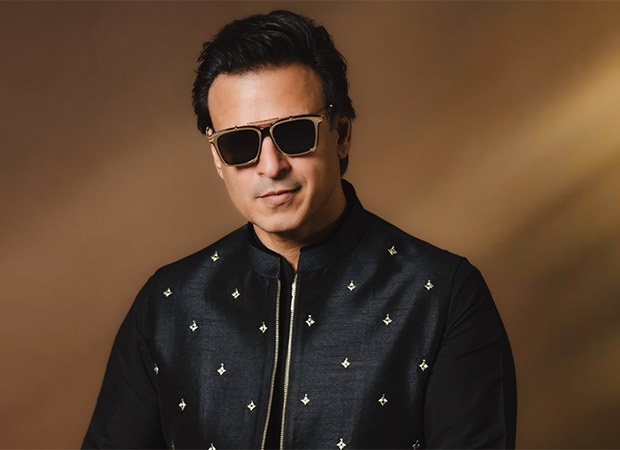
by In a defining moment for personality rights in India’s rapidly evolving digital landscape, the Delhi High Court has granted interim relief to acclaimed actor and entrepreneur Vivek Oberoi, restraining the unauthorised use of his name, image, voice, likeness and other aspects of his identity. This judicial order not only safeguards Oberoi’s personal and commercial interests but also exemplifies how courts are increasingly responding to challenges posed by digital impersonation, artificial intelligence (AI), deepfake technology and widespread online misuse of personal identity.
The case underscores the significance of personality rights — also referred to as publicity rights — which protect the commercial and reputational value inherent in a person’s identity, especially in a world where technology enables easy replication, manipulation and virtual dissemination of someone’s likeness without consent. This ruling marks an acceleration toward legal recognition and enforcement of such rights in the context of digital and AI misuse — with implications that extend well beyond the film industry.
The Origin of the Dispute: Unauthorised Use Across Digital Platforms
The legal battle began when Vivek Oberoi filed a suit in the Delhi High Court in early February 2026, seeking urgent legal protection against alleged widespread misuse of his identity. The petition detailed how his name, photographs, voice, and other identifying attributes were being exploited without his consent across digital platforms, including social media and e‑commerce outlets. The lawsuit cited the creation of fake social media accounts, distribution of AI‑generated and morphed visuals, and sale of unauthorised merchandise that wrongly implied endorsement or affiliation.
According to Oberoi’s legal filing, these unauthorised activities have caused “incalculable loss” to his goodwill and reputation, confusing the public, tarnishing his professional value, and diluting the brand value he has spent decades building as both an actor and an entrepreneur.
The emotional and professional toll was highlighted in the lawsuit, which noted that such misuse — especially when involving distasteful or misleading AI‑generated content — could mislead the audience and harm not only Oberoi’s career but also his family and personal life.
The Delhi High Court’s Interim Order: What the Court Decided
The hearing took place before Justice Tushar Rao Gedela, who examined the evidence presented by Oberoi’s legal team and acknowledged the potential for irreparable harm to his reputation if swift intervention was not granted. The Court noted that Oberoi’s identity carries significant goodwill and public recognition, and that unauthorised commercial or personal exploitation of his persona attributes could lead to substantial and uncompensable harm.
Here are the key elements of the Delhi High Court’s interim order:
1. Restraining Unauthorised Use of Identity
The Court banned the unauthorised use of Oberoi’s identity attributes — including his name, image, voice, likeness and signature — across digital and physical mediums without his consent. This encompasses all technological forms that might exploit these attributes, including AI tools, deepfake technology and face‑morphing applications.
By issuing this injunction, the High Court recognised that personality traits such as dialogue style, voice modulation and signature appearance are unique signature markers of Oberoi’s identity, deserving legal protection akin to other intellectual property interests.
2. Takedown Directions for Digital Platforms
The Court directed major online intermediaries, including YouTube, Meta Platforms (Instagram and Facebook) and X Corp. (formerly Twitter), to remove all identified infringing links and content within 72 hours of receiving the order. This directive aims to address the rapid spread of unauthorised material on social media and content platforms that threaten to mislead the public or dilute Oberoi’s persona.
3. Prohibiting Commercial Exploitation
The interim relief also prohibits the creation, distribution or sale of unauthorised merchandise — such as posters, T‑shirts, postcards and similar products — that use Oberoi’s name or image for commercial gain. The Court’s order clearly states that such exploitation without consent is unlawful, regardless of whether it is for profit or personal use.
4. Enforcement and Compliance Timeline
The Court’s order requires intermediaries to provide information related to infringing content, such as IP addresses and account details, within specified timelines. It also set a deadline for defendants to file written responses, scheduling further proceedings later in the year.
The combined effect of these directions ensures both immediate relief and an ongoing mechanism to monitor compliance as the case progresses through further hearings.
Why This Ruling Is Significant in the Digital Age
Legal Recognition of Personality and Publicity Rights
While personality rights are not codified under a specific Indian statute, they are increasingly recognised through judicial pronouncements that draw from principles related to intellectual property, privacy, and equity. In this case, the Court’s framing of such rights as protectable, especially against AI and deepfake misuse, signals a judicial acknowledgment of modern challenges where identity can be digitally replicated and manipulated without consent.
Notably, the Court referred to Oberoi’s persona attributes as having a form of proprietary value, similar to copyrights or trademarks, when used without authorisation. This places the ruling in line with global trends — particularly in jurisdictions like the United States — where courts have increasingly recognised the “right of publicity”, a legal doctrine that prevents unauthorised commercial use of an individual’s identity.
Addressing AI and Deepfake Technologies
One of the most critical aspects of this ruling is its practical response to deepfake and AI‑generated misuse. These technologies can create highly realistic synthetic media, often indistinguishable from genuine content, which poses unique challenges for public figures whose images and voices can be used to fabricate scenes that never occurred. Oberoi’s case involved allegations of such morphed content being circulated widely, prompting the High Court to act urgently to stem the tide of unauthorised distribution.
This reflects a broader legal recognition that emerging technologies demand updated legal frameworks and judicial responses to protect individuals from reputational harm and exploitation.
Judicial Acknowledgement of Irreparable Harm
In granting interim relief, the High Court emphasised that failing to act could result in irreparable harm to Oberoi’s reputation and professional standing — harm that cannot be rectified merely through monetary compensation or future corrective measures. By intervening at an early stage, the Court ensured that the legal process would prevent ongoing violations rather than merely addressing them after the fact.
Contextualising the Ruling: A Growing Trend
Vivek Oberoi’s legal action is not an isolated development. Several public figures — from Bollywood actors to sports icons and media personalities — have increasingly turned to Indian courts to protect their personality and publicity rights in the digital age. Celebrities such as Aishwarya Rai Bachchan, Abhishek Bachchan, Salman Khan, R. Madhavan and others have previously sought similar injunctions to safeguard against unauthorised use of their identity attributes, especially in the context of AI misuse, fake endorsements and misleading online products.
The cumulative effect of these cases is a judicial jurisprudence that progressively extends legal protection to modern forms of identity exploitation, signalling the courts’ readiness to adapt traditional legal principles to digital realities.
Implications for Digital Platforms and Online Intermediaries
The Court’s order places clear enforcement responsibilities on digital intermediaries. Platforms like YouTube, Meta and X are now required to act proactively when presented with court directives against unauthorized content, under timelines that align with India’s Information Technology Rules, 2021, which govern intermediary due diligence and takedown procedures.
This means that when an individual or public figure can demonstrate clear misuse of personality attributes, these platforms must remove infringing content swiftly or face legal consequences. This judicial insistence on accountability marks an important evolution in how digital platforms manage and curate content related to real individuals.
The order also signals that intermediaries can no longer hide behind “safe harbour” protections when specific court orders require them to act — especially in cases where unauthorized misuse of personal identity threatens reputation and goodwill.
Deeper Reflections: Identity Rights in a Hyperconnected World
1. The Intersection of Reputation, Technology and Law
Oberoi’s case highlights how identity — once a physical and social construct grounded in real‑world interaction — has become vulnerable in cyberspace. With tools that can replicate voices, faces and personas, the digital world has blurred the line between reality and artificial representation. Protecting identity in this environment requires not only legal innovation but also technological literacy and regulatory foresight.
2. The Balance Between Free Speech and Personal Rights
Another dimension of this legal evolution involves balancing free speech and expression with protection against defamation, misuse, and misleading representations. Courts must carefully calibrate rulings so as not to unduly stifle legitimate commentary or satire while ensuring that exploitative and deceptive uses of identity are effectively curtailed.
3. Psychological and Social Impact of Digital Misuse
Beyond legal and commercial concerns, digital misuse of identity can have psychological and social consequences for individuals. Being falsely depicted or associated with unauthorized content — especially of a distasteful or misleading nature — can affect one’s public image, personal relationships and even mental well‑being. The Delhi High Court’s intervention acknowledges that such harm is real and warrants proactive legal safeguards.
Conclusion: A Milestone Ruling with Far‑Reaching Consequences
The interim relief granted to Vivek Oberoi by the Delhi High Court against the unauthorised use of his identity is much more than a personal legal victory. It represents a broader judicial recognition of personality and publicity rights in the digital age, especially in the face of advancing technologies like AI and deepfakes that make identity misuse easier and more widespread.
By restraining unauthorised use of his name, image, voice and likeness — and by requiring digital platforms to respond swiftly to takedown requests — the Court has set a precedent that may well influence future cases involving other public figures, professionals and individuals whose identities are exploited online.
The ruling also reflects a growing understanding within the judiciary that identity is not merely a public attribute but a legal interest deserving protection from exploitation, manipulation and commercial appropriation without consent. As digital technologies continue to evolve, the legal frameworks and judicial interpretations around personality rights will play a pivotal role in shaping how individuals — whether public figures or ordinary citizens — protect their reputations, brands and digital selves in an increasingly interconnected world.