 by
by Introduction
Bollywood actor Ranveer Singh has once again found himself at the centre of controversy — this time over a moment that he describes as “an expression of admiration,” yet many perceived as disrespect. During the International Indian Film Festival (IFFI) in Goa, a video of Ranveer enthusiastically mimicking a dramatic possession sequence from Rishab Shetty’s Kantara: Chapter 1 went viral, sparking massive backlash from social media users, cultural commentators, and religious groups. What appeared light-hearted and humorous to those present at the event quickly transformed into a nationwide debate once it reached online platforms.
In the days following the incident, criticism mounted at an alarming pace, with many users accusing Ranveer of mocking a culturally sacred ritual, misrepresenting traditions, and showing insensitivity toward religious sentiments. The matter escalated when a Hindu group filed a police complaint, alleging that the mimicry amounted to cultural insult.
Under mounting pressure and growing outrage, Ranveer Singh issued a public apology, clarifying that his intention was never to offend but to celebrate Rishab Shetty’s extraordinary performance. His statement has added a new layer to the ongoing discussion about celebrity conduct, freedom of expression, cultural representation, and the line between admiration and appropriation.
This article explores the incident in detail, the cultural context that triggered the backlash, Ranveer Singh’s apology, and the broader implications for Indian cinema, celebrity behaviour, and public sensitivities in an increasingly digital era.
The Incident at IFFI Goa: What Sparked the Controversy
A Performance That Went Wrong Online
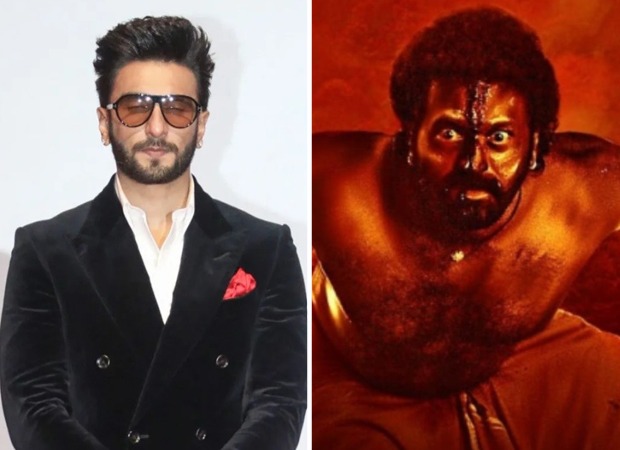
During the IFFI event in Goa, Ranveer Singh took the stage with his characteristic flamboyance and high energy. Among various moments that drew laughter and applause, one stood out: Ranveer reenacted a dramatic spiritual possession scene from Kantara: Chapter 1, in which the protagonist, played by Rishab Shetty, becomes the living vessel of the goddess Chamundi Diva. In the film, the sequence is treated with intense reverence and spiritual gravity, reflective of the deep cultural and ritualistic heritage of coastal Karnataka.
At the event, however, Ranveer infused the imitation with theatrical humour — waving his hands, stomping his feet, and embodying the spirit in an exaggerated manner that elicited laughter from the audience, including Rishab Shetty himself. Cameras captured Rishab smiling at the performance, although another widely circulated clip later appeared to show him signalling the actor to exercise caution and avoid mimicking the sacred ritual too literally.
When the videos surfaced online, the reaction flipped dramatically. What was interpreted as friendly admiration at the venue became “mockery” and “cultural disrespect” to viewers outside.
Understanding the Cultural Sensitivity: Why the Scene Is Sacred
To grasp the intensity of the backlash, one must understand the cultural context of Kantara.
Bhoot Kola: A Tradition Rooted in History
Kantara is deeply inspired by the ritualistic practices and folklore of Tulu Nadu, particularly the spiritual ritual known as Bhoot Kola, in which trained performers invoke and embody local deities. The ritual is not entertainment; it is a sacred tradition passed down through generations, observed with tremendous devotion. For many communities, these performances are the bridge between the mortal world and the divine, carrying deep spiritual significance.
Rishab Shetty’s portrayal of this divine possession was widely lauded for its authenticity, discipline, and emotional depth. The physical demands, spiritual preparation, and cultural grounding required to perform such a sequence are immense.
Why Mimicry Can Be Viewed as Disrespect
Because the ritual is sacred:
- It is not meant to be impersonated casually
- It holds religious value and requires spiritual preparation
- The performer is believed to channel divine energy during the ritual
- Communities treat the ritual with utmost seriousness and reverence
Thus, when Ranveer mimicked the possession scene — even in jest — many felt that the sanctity of their tradition was trivialised.
The Backlash: How Social Media Fueled the Controversy
A Wave of Anger and Offence
Within hours of the video circulating online, social media platforms were flooded with criticism. Reactions ranged from disappointment to full-blown outrage:
- Users accused Ranveer of mocking religious expressions
- Others believed he disrespected the cultural roots depicted in Kantara
- Some called him insensitive and irresponsible as a public figure
- A segment pointed out that Bollywood celebrities often overlook regional cultural sentiments
The criticism escalated further when a Hindu group filed a legal complaint, alleging that the mimicry was offensive and amounted to “hurting religious sentiments” — a serious accusation under Indian law.
Circulating Clips Intensified the Narrative
One particular clip that added fuel to the fire showed Rishab Shetty seemingly gesturing Ranveer to stop mimicking the sacred aspect of the ritual. Although the moment was brief and its intent has not been officially clarified, it was enough to spark speculation that even Rishab was uncomfortable.
Social media users claimed:
- Ranveer ignored boundaries
- He was warned on stage but continued
- His behaviour was culturally tone-deaf
Whether these interpretations were accurate or exaggerated remains unclear, but the narrative was already spiralling by then.
Ranveer Singh Breaks Silence: The Public Apology
On Tuesday, amid rising pressure, Ranveer Singh addressed the controversy head-on through a written statement shared across his social media platforms.
His Apology Statement
Ranveer wrote:
“My intention was to highlight Rishabh’s incredible performance in the film. Actor to actor, I know how much it would take to perform that particular scene in the way that he did, for which he has my utmost admiration.”
He went on to clarify:
“I have always deeply respected every culture, tradition and belief in our country. If I’ve hurt anyone’s sentiments, I sincerely apologise.”
Tone and Purpose of the Apology
The statement seeks to:
- Express admiration for Rishab Shetty
- Clarify intent (celebration, not mockery)
- Address public sentiment calmly and respectfully
- Mitigate escalating tensions by acknowledging cultural sensitivities
Ranveer’s apology reflects an understanding that intent does not outweigh impact — a principle increasingly emphasized in public discourse.
Why the Apology Was Necessary
Given:
- The scale of the backlash
- The involvement of religious groups
- The potential legal implications
- The rapidly evolving online narrative
Issuing an apology became essential for damage control and for acknowledging community sentiments.
Rishab Shetty’s Stance: Silence, Signals, and Speculation
So far, Rishab Shetty has not issued a formal statement responding to Ranveer’s apology or addressing the controversy. This silence has led to various interpretations:
1. He Is Avoiding Unnecessary Escalation
Rishab may prefer to stay away from controversies that overshadow his film’s cultural message.
2. His On-Stage Reaction Already Speaks Volumes
The friendly exchange at the event suggests there was no personal offence taken — at least in that moment.
3. Silence Allows the Issue to Settle Quietly
Public statements can reignite or prolong controversies; therefore, maintaining silence can sometimes be the best strategy.
Whatever his reasons may be, his non-response has indirectly kept the debate alive.
Why This Controversy Became Bigger Than Expected
This incident gained unusual traction for several reasons:
1. The Cultural Sensitivity of the Ritual
Bhoot Kola is not entertainment — it is sacred.
Any misrepresentation automatically becomes a sensitive issue.
2. The Rising Spotlight on Regional Films
Kantara is a cultural milestone, elevating local traditions to national and global audiences. Fans take immense pride in the film and its authenticity, making any perceived disrespect a matter of collective emotional investment.
3. The Current Climate of Hyper-Sensitivity
In India’s present sociopolitical environment, religious sentiments carry significant weight — both socially and legally. Offence is taken quickly, and public figures are often held to strict scrutiny.
4. The Power and Speed of Social Media
What was a humorous moment in a closed venue became a national issue within hours because:
- Clips were selectively edited
- Users added their own interpretations
- Outrage amplified engagement
- Memes, debates, and callouts multiplied
The virality magnified the incident far beyond its original context.
5. Ranveer’s Persona as a High-Energy Performer
Ranveer is known for his exuberant, sometimes over-the-top stage presence. This works brilliantly in many scenarios — but occasionally crosses perceived boundaries.
People expect him to be animated; they also expect him to be aware.
This incident triggered the perception that he failed in the latter.
Cultural Appropriation vs. Appreciation: The Debate Reignites
This controversy reignites an ongoing debate in Indian entertainment:
Where do we draw the line between appreciation and appropriation?
Ranveer claims his imitation was an appreciation of Shetty’s remarkable performance.
Critics argue it became appropriation by stripping the ritual of its sacred context.
The debate reflects a broader cultural dilemma:
- How should celebrities engage with traditions that are not their own?
- Is entertainment a valid reason to mimic sacred rituals?
- Can admiration sometimes unintentionally hurt sentiments?
- How responsible must public figures be in representing diverse cultures?
These questions form the foundation of a much bigger conversation about cultural respect in India’s interconnected cinematic landscape.
Celebrity Responsibility in the Age of Viral Accountability
In an era where every gesture is filmed, shared, dissected, and judged, celebrities must operate with heightened awareness. Several factors contribute to this:
1. Instant Visibility
Even offhand behaviour instantly becomes public content.
2. Diverse Cultural Expectations
India’s mosaic of religions and traditions demands sensitivity and understanding.
3. Legal Consequences
Laws pertaining to “hurt sentiments” can lead to FIRs, legal notices, and nationwide debates.
4. Emotional Stake of Fans
Fans feel deeply connected to cultural icons and narratives, reacting intensely when they sense disrespect.
Therefore, what Ranveer perceived as harmless admiration could not escape digital scrutiny.
The Role of Media and Social Platforms in Escalating Outrage
Social media platforms operate on algorithms that reward engagement — often fuelled by controversy. As a result:
- Outrage spreads faster than context
- Nuance is lost in the race for virality
- People judge without knowing the full story
- Emotional responses dominate factual assessment
In Ranveer’s case, different angles of the same video were circulated, altering perceptions with each edit.
Debates snowballed, influencers weighed in, and comment sections turned into battlegrounds.
Online outrage thrives on amplification — and this incident became a prime example.
Damage Control: Will Ranveer’s Apology Help?
The effectiveness of Ranveer’s apology depends on several factors:
Positive Aspects Working in His Favour
- He apologised promptly
- His tone was respectful and sincere
- Many fans defend him, believing his intentions were good
- Rishab Shetty has not condemned him
- The actual event showed no clear evidence of deliberate disrespect
Challenges That Remain
- Religious groups remain unconvinced
- Social media debates continue
- Some viewers believe apologies cannot erase perceived disrespect
- Legal complaints may still move forward
- Online narratives often outlive official clarifications
Overall, the apology significantly reduces tension but may not silence all critics.
How This Incident Reflects Changing Sensibilities in India
India’s cultural and political landscape has been shifting rapidly. This incident reflects several trends:
1. Growing Cultural Pride
Regional cultures are gaining national prominence. People feel protective of their traditions when represented by mainstream celebrities.
2. Higher Expectations from Public Figures
Celebrities today are expected to be culturally literate and sensitive to diversity.
3. Less Tolerance for Casual Imitation of Sacred Elements
What may have gone unnoticed ten years ago invites severe backlash today.
4. The Evolution of Indian Cinema
Films like Kantara have changed how local traditions are portrayed, raising standards for authenticity.
Comparisons with Past Controversies
Ranveer is not the first Indian actor to face backlash for unintentionally offending cultural sentiments. Examples include:
- Actors criticised for misrepresenting historical figures
- Celebrities targeted for endorsing or mocking religious depictions
- Films facing boycotts over costume design or dialogue
- Music videos pulled down over portrayal of rituals
Such controversies highlight how sensitive and unpredictable public reactions can be.
Lessons for Bollywood and Indian Public Figures
This incident serves as an important case study for celebrities, filmmakers, and performers:
1. Context Matters
Performing sacred rituals in a casual or humorous setting can be misinterpreted.
2. Cultural Literacy Is Crucial
Public figures must engage with traditions respectfully and knowledgeably.
3. Intent and Impact Must Align
Good intentions are not enough when impact causes emotional harm.
4. Apologies Should Be Timely and Transparent
Ranveer’s prompt statement prevented further escalation — a smart move.
5. Social Media Is a Double-Edged Sword
Sharing moments without context can turn admiration into outrage instantly.
Future Implications: Will This Change Ranveer Singh’s Public Persona?
Ranveer is known for:
- His bold personality
- Energetic stage presence
- Improvisational humour
- High emotional expressiveness
While these traits have endeared him to millions, this controversy may encourage him to recalibrate his spontaneity, especially during culturally sensitive moments.
The incident likely won’t dent his long-term career, but it may influence how he engages with cultural depictions in public spaces moving forward.
Conclusion
The controversy surrounding Ranveer Singh’s imitation of Rishab Shetty from Kantara: Chapter 1 is a powerful reminder of the fine line celebrities walk in the age of digital scrutiny. What may be intended as admiration can easily be perceived as disrespect, especially when sacred traditions are involved. Ranveer’s apology demonstrates accountability and respect, but the episode raises broader questions about cultural sensitivity, celebrity responsibility, and the influence of social media in amplifying controversies.
As Indian cinema continues to showcase diverse regional cultures, the responsibility to portray and reference these traditions with respect becomes increasingly important. Whether this incident becomes a fleeting controversy or a lasting lesson will depend on both public response and the industry’s evolving cultural awareness.
For now, Ranveer Singh has made his stance clear: he did not intend to offend, he respects India’s cultural diversity, and he stands ready to apologise whenever sentiments are hurt. Whether this calms the waters completely remains uncertain — but it sets the tone for a more mindful approach to cultural representation in Bollywood moving forward.