 by
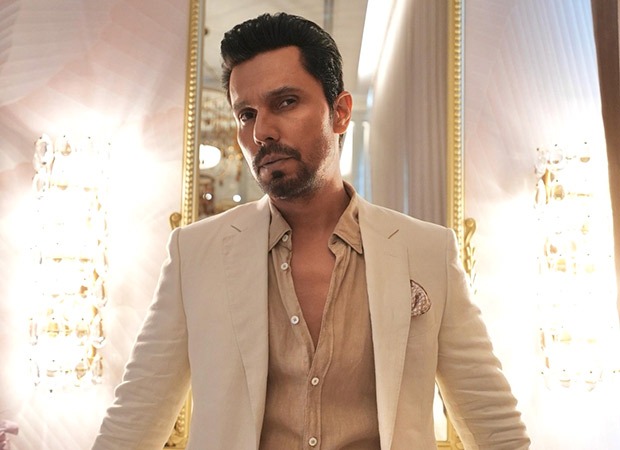
by When a film as ambitious and star-studded as O’Romeo goes into production, every casting choice becomes a carefully balanced piece of a larger creative puzzle. So when reports surfaced that Randeep Hooda — one of Hindi cinema’s most respected and fearless performers — had exited the Shahid Kapoor-led action thriller barely days before cameras were set to roll, it instantly set off waves of speculation across the industry and among fans.
Was it a creative difference? A scheduling conflict? Or something deeper and more personal?
As the dust settles, what emerges is not a story of fallout or friction — but of human priorities, professional respect, and the realities of life beyond the spotlight.
Let’s unpack everything that led to Hooda’s sudden but dignified exit from O’Romeo, what it means for the film, and how Avinash Tiwary has now stepped into one of the most crucial roles of the project.
A Film Built on High Expectations
O’Romeo is not just another Bollywood action film — it is one of the most eagerly awaited releases of 2026.
Directed by the legendary Vishal Bhardwaj and produced by Sajid Nadiadwala, the film promises a dark, stylized and emotionally layered action thriller. Bhardwaj’s name alone brings a legacy of complex storytelling, moral ambiguity, and unforgettable villains. Combine that with Shahid Kapoor’s transformation into intense, morally conflicted characters in recent years, and you have the recipe for a cinematic storm.
The ensemble cast further raised expectations:
- Shahid Kapoor
- Triptii Dimri
- Tamannaah Bhatia
- Disha Patani
- Nana Patekar
- Randeep Hooda (originally)
Scheduled for a Valentine’s Day release on February 13, 2026, O’Romeo was clearly positioned as a bold, emotionally charged action spectacle rather than a conventional romantic entertainer.
Why Randeep Hooda Was a Perfect Fit
Randeep Hooda was reportedly cast as the film’s principal antagonist — a role that would have been both psychologically intense and physically demanding.
Few actors in Indian cinema can portray darkness, emotional conflict, and internal struggle the way Hooda does. From Sarbjit to Highway to Radhe, he has built a reputation for disappearing into morally complex characters.
In a Vishal Bhardwaj film, the antagonist is never just “the bad guy.” Bhardwaj’s villains are often tragic, layered, wounded, and philosophical — and Hooda was seen as a natural fit for that kind of character.
Insiders say he had already begun preliminary preparation, including script readings and character work, when the unexpected happened.
The Personal Crisis That Changed Everything
According to an industry source quoted by Mid-Day, Hooda’s decision to step away was triggered by a personal crisis that emerged just before he was due to start shooting.
The report suggests that:
- His wife’s health required urgent attention
- There were significant personal developments in his family life
- He had to make a choice between a major film and real-life responsibility
This was not a case of cold feet or professional dissatisfaction — it was a moment where personal obligations simply took precedence.
The source explained:
“A personal crisis emerged right before he was to shoot his portions. His wife’s health and developments in his personal life influenced his choice.”
In an industry that often glorifies actors for working through illness, grief, or emotional distress, Hooda’s decision stood out for a different reason — it was grounded, human, and quietly brave.
A Rare Example of an Amicable Exit
One of the most telling parts of this story is how everyone involved responded.
Both Vishal Bhardwaj and Sajid Nadiadwala were reportedly fully supportive of Hooda’s choice. There was no bitterness, no behind-the-scenes blame game, and no effort to spin the narrative into something else.
This speaks volumes about:
- Hooda’s professionalism
- His long-standing goodwill in the industry
- The trust he commands among filmmakers
In Bollywood, where last-minute exits often lead to lawsuits, gossip wars, or silent blacklisting, this was refreshingly different.
It was, quite simply, a mutual understanding that life sometimes has to come first.
Why the Production Couldn’t Wait
While Hooda’s situation was understood, O’Romeo was already on a tight production schedule.
Large-scale action films involve:
- Blocked shooting dates for stars
- Elaborate action set-ups
- Location bookings
- Crew availability
- Post-production timelines aligned with release windows
Delaying the shoot by weeks could have led to:
- Cost overruns
- Scheduling clashes with Shahid Kapoor and other actors
- Potential postponement of the 2026 release
So the makers had no choice but to quickly find a replacement.
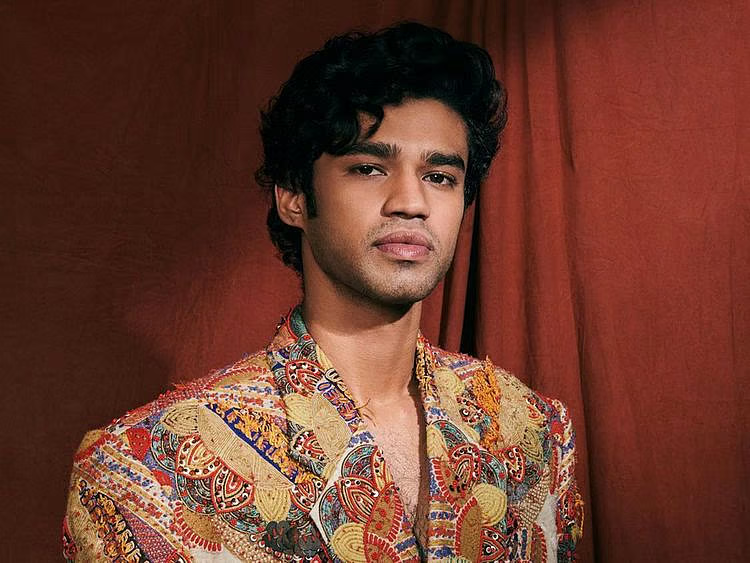
That is where Avinash Tiwary entered the picture.
Avinash Tiwary’s Unexpected Big Break
The decision to cast Avinash Tiwary as Hooda’s replacement was both bold and strategic.
Tiwary, known for his powerful performances in films like Laila Majnu, Bulbbul, and Khakee: The Bihar Chapter, has built a reputation for emotional depth and intensity — exactly what a Bhardwaj villain requires.
An industry insider revealed:
“The production couldn’t afford a major delay. Avinash fit the brief, and was available to step into the role at short notice.”
For Tiwary, this is more than just a role — it is his first collaboration with Vishal Bhardwaj, a director known for turning strong performers into cinematic legends.
How This Changes the Film’s Dynamics
Randeep Hooda and Avinash Tiwary are very different actors.
Hooda brings:
- Raw physicality
- Brooding masculinity
- A sense of lived-in pain
Tiwary brings:
- Emotional vulnerability
- Psychological intensity
- A quieter, more unsettling energy
This means the antagonist in O’Romeo may now lean less toward brute force and more toward emotional menace — which could actually deepen the film’s impact.
Opposite Shahid Kapoor, known for his explosive emotional range, this creates a fascinating new dynamic.
The Teaser and the World of O’Romeo
The teaser for O’Romeo has already offered a glimpse into the film’s universe — dark, moody, stylized, and morally complex.
It hints at:
- Broken characters
- High-stakes conflict
- Romance entangled with violence
- A city simmering with danger
With Hooda no longer part of that world, audiences will now be watching closely to see how Tiwary shapes the antagonist’s arc.
Why Hooda’s Exit Is Not a Career Setback
In an industry obsessed with optics, stepping away from a major film could be seen as risky. But for Randeep Hooda, this move is unlikely to hurt his standing — if anything, it reinforces his integrity.
He chose:
- Family over fame
- Health over headlines
- Responsibility over visibility
That kind of decision earns respect not just from fans, but from filmmakers who know that actors are human beings first.
Hooda has always been selective about his projects, prioritizing quality over quantity. Walking away from O’Romeo doesn’t change that — it simply shows that he knows when to step back.
A Story Bigger Than Casting
At its heart, this isn’t just a story about a casting change.
It is a story about:
- The fragile balance between personal life and professional ambition
- The unseen pressures actors carry
- The quiet grace of choosing what truly matters
Bollywood often celebrates sacrifice for cinema — but sometimes, the real courage lies in not sacrificing everything.
What Lies Ahead for O’Romeo
With Avinash Tiwary now in place and filming underway, O’Romeo is moving forward with renewed momentum.
The February 13, 2026 release date remains unchanged, and anticipation continues to build as fans wait to see:
- Shahid Kapoor’s intense new avatar
- Vishal Bhardwaj’s signature storytelling
- And now, Avinash Tiwary’s bold turn as the antagonist
Meanwhile, Randeep Hooda is focusing on what matters most right now — and when he returns to the screen, it will be on his own terms.
Final Thoughts
In a world where celebrity culture often turns every personal decision into controversy, Randeep Hooda’s exit from O’Romeo stands out for its quiet dignity.
From an industry standpoint, Randeep Hooda’s departure also highlights the evolving professionalism within Bollywood. In earlier decades, actors were often pressured to continue working despite personal hardships, fearing that stepping away might cost them future roles. Today, however, filmmakers are increasingly recognising that artists perform best when they are emotionally and physically present. The respectful way in which Vishal Bhardwaj and Sajid Nadiadwala handled Hooda’s exit reflects a growing maturity in the industry, where empathy and practicality coexist. Such an approach not only preserves long-term working relationships but also strengthens the creative environment of filmmaking.
Fans of Randeep Hooda initially reacted with disappointment, especially those who were eager to see him portray another complex antagonist. Social media buzzed with speculation, ranging from rumours of creative differences to concerns about production trouble. However, once the real reason behind his exit became known, the tone of public reaction shifted. Many admirers expressed support and praised Hooda for prioritising family over fame. This response underscores how audiences today value authenticity and humanity in their stars, not just their on-screen presence, making Hooda’s decision all the more relatable and respected.
For Avinash Tiwary, stepping into a role originally written for Randeep Hooda is both a challenge and a rare opportunity. The character, already shaped by Vishal Bhardwaj’s layered storytelling, demands emotional complexity and screen presence. Tiwary’s previous performances have shown his ability to handle intense psychological material, which makes him a compelling choice for this part. Working opposite Shahid Kapoor in such a high-profile project could mark a turning point in his career, introducing him to a wider audience and positioning him as a serious contender in mainstream cinema.
Behind the scenes, such last-minute casting changes often require subtle but important creative adjustments. Dialogues, character dynamics, and even certain action sequences may be tweaked to better suit the new actor’s strengths. Vishal Bhardwaj is known for tailoring his characters to the actors portraying them, so it is likely that Avinash Tiwary’s version of the antagonist will carry nuances different from what was originally planned for Hooda. These changes, while challenging, can sometimes enhance a film, allowing fresh interpretations that add depth and unpredictability to the narrative.
Ultimately, the entire episode serves as a reminder that cinema is shaped as much by real-life circumstances as by creative vision. While audiences often focus on the glamour and spectacle of films, moments like these reveal the human stories behind the screen. Randeep Hooda’s decision, Avinash Tiwary’s sudden rise to the role, and the filmmakers’ quick yet considerate response all reflect the delicate balance between art and life. In many ways, this behind-the-scenes turn of events adds another intriguing layer to O’Romeo, even before it reaches theatres
There was no drama, no ego clash, no scandal — just a man choosing to be present for his family when they needed him most.
And in that choice, there is something far more powerful than any role he might have played