 by
by In the Indian film industry, titles are rarely changed once a film’s promotional machinery begins rolling. Titles often become the identity of a project, shaping audience expectations and influencing marketing strategies. However, there are moments when larger forces—political sensitivities, cultural considerations, or strategic decisions—compel filmmakers to rethink their approach. Such appears to be the case with Salman Khan’s upcoming film, which was initially announced as Battle of Galwan but has now been retitled Maatrubhumi.
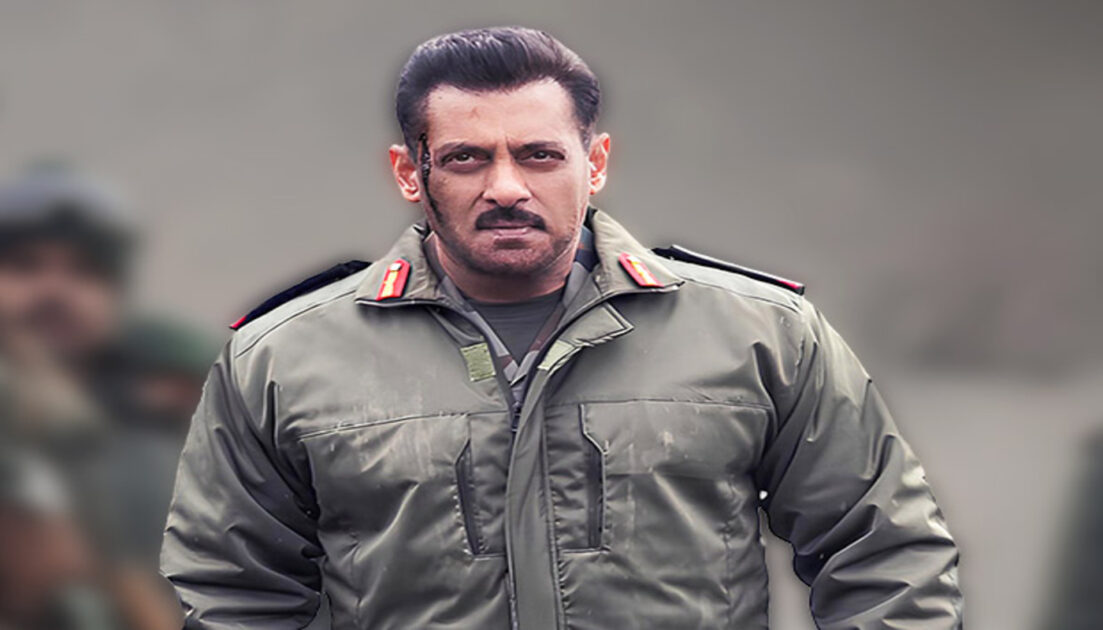
The decision to change the title has sparked widespread curiosity among fans, industry insiders, and political observers alike. Salman Khan, one of Bollywood’s most prominent and influential actors, is set to portray an army officer for the first time in his career in the Apoorva Lakhia directed film. The original title immediately suggested a direct reference to the Galwan Valley clash, a sensitive and historically significant incident involving India and China.
Yet the new title, Maatrubhumi, translates to “Motherland,” shifting the narrative emphasis from a specific geopolitical conflict to a broader theme of patriotism and sacrifice. While title changes in films are not entirely uncommon, the reasoning behind this particular change reveals a complex intersection of diplomacy, cinematic storytelling, and national sentiment.
This transformation reflects not only the evolving nature of the film itself but also the delicate balance filmmakers must maintain when addressing politically sensitive events.
The Original Concept: A Film Rooted in the Galwan Valley Clash
When the film was first announced under the title Battle of Galwan, audiences immediately assumed that it would directly dramatize the 2020 Galwan Valley clash between Indian and Chinese troops along the Line of Actual Control in Ladakh.
The Galwan Valley incident remains one of the most serious military confrontations between the two nations in decades. The clash led to casualties on both sides and heightened diplomatic tensions, making it a deeply emotional subject for many Indians.
Given Bollywood’s history of producing patriotic war films, the idea of a movie based on this event generated considerable interest. Films centered on the bravery of soldiers and national pride often resonate strongly with audiences, and Salman Khan stepping into the role of a military officer added further excitement.
For fans of the actor, the project promised to showcase a new dimension of his screen persona. While Salman Khan has portrayed law enforcement officers and larger-than-life heroes in several films, playing an army officer in a story inspired by a real military confrontation would mark a significant milestone in his career.
However, as the project progressed, the filmmakers reportedly encountered challenges linked to the sensitive geopolitical implications of the subject matter.
Diplomatic Sensitivity and Strategic Advice
According to industry sources, the title change did not emerge from a purely creative decision but was influenced by diplomatic considerations.
The film’s original framing around the Galwan Valley clash raised concerns in certain strategic and official circles. The conflict between India and China remains a sensitive topic, and cultural portrayals of such incidents can have implications beyond entertainment.
Filmmakers often consult with various advisory bodies when creating films involving the armed forces or real geopolitical conflicts. These consultations help ensure that portrayals are respectful, accurate, and aligned with national interests.
In this case, Salman Khan and the film’s makers were reportedly advised to reconsider the title and modify certain aspects of the narrative to avoid intensifying diplomatic sensitivities.
Taking this feedback seriously, the team chose to rework the film’s script and reposition the story. The decision reflects an awareness of the broader consequences that a high-profile film can have when it references real-world geopolitical tensions.
Rather than presenting a direct depiction of the Galwan Valley clash, the filmmakers opted to fictionalize the conflict and shift the focus toward a more universal narrative.
From Battlefield to Motherland: The Meaning of the New Title
The new title, Maatrubhumi, represents a significant thematic shift.
Instead of highlighting a specific military confrontation, the title invokes the emotional and symbolic concept of the motherland. In Indian cultural and cinematic traditions, the idea of the nation as a mother figure is deeply ingrained.
Patriotic films frequently draw upon this imagery to evoke feelings of duty, sacrifice, and devotion. By adopting the title Maatrubhumi, the filmmakers appear to be emphasizing these broader emotional themes rather than focusing narrowly on a particular historical event.
This shift allows the film to explore the experiences of soldiers and their families in a more universal context. It also reduces the risk of the film being interpreted as a direct commentary on ongoing geopolitical tensions.
From a storytelling perspective, the new title creates space for a narrative that celebrates patriotism while maintaining sensitivity to international relations.
Script Revisions and Narrative Reimagining
Changing the title was only one part of the transformation. Sources indicate that a substantial portion of the script has been rewritten to align with the new thematic direction.
The revised version reportedly places greater emphasis on the personal and emotional aspects of the story. While the backdrop remains a military conflict, the narrative now explores the inner struggles of an army officer balancing his duty to the nation with his personal relationships.
This shift reflects a broader trend in contemporary war films, which increasingly focus on the human dimensions of conflict rather than solely depicting action and combat.
The film is said to explore the evolving relationship between Salman Khan’s character and the character played by Chitrangda Singh. Their dynamic adds an emotional layer to the narrative, highlighting the sacrifices made not only by soldiers but also by the people who love them.
By integrating themes of love, separation, and resilience, the film seeks to create a more nuanced portrayal of life in the armed forces.
The Financial Impact of Reshoots
Reworking a film after significant portions have already been shot can be an expensive process. Reports suggest that the script revisions led to reshoots and additional production work, increasing the overall budget of the film.
However, Salman Khan is said to have supported the decision wholeheartedly. Known for backing projects he believes in, the actor reportedly did not hesitate to absorb the additional financial burden in order to ensure that the film aligned with the revised vision.
This willingness to adapt underscores the seriousness with which the team approached the feedback they received.
Reshoots can often be logistically challenging, requiring the coordination of actors, crew members, and locations. Yet such efforts can also enhance the quality of a film by refining its narrative and improving its emotional impact.
Salman Khan’s Evolution as an Actor
For Salman Khan, Maatrubhumi represents a significant step in his evolving filmography.
Over the years, he has built a reputation as one of Bollywood’s most bankable stars, known for delivering high-energy entertainers and action-driven spectacles. His films often emphasize larger-than-life heroism, humor, and mass appeal.
However, the role of an army officer in Maatrubhumi offers an opportunity for him to explore a different kind of character—one rooted in realism and emotional depth.
War dramas typically require actors to portray complex psychological states, including courage, vulnerability, and moral conflict. For Salman Khan, this role could mark a departure from his usual cinematic persona and allow audiences to see a more introspective side of his acting.
If executed effectively, the film could redefine how viewers perceive his capabilities as a performer.
Bollywood and the Politics of Representation
The decision to fictionalize the conflict also reflects the broader challenges faced by filmmakers when dealing with politically sensitive subjects.
Cinema has the power to shape public perceptions of historical events and international relations. As a result, films based on real conflicts often attract scrutiny from governments, diplomats, and the public.
In recent years, Bollywood has increasingly navigated this delicate terrain, producing films that celebrate national pride while attempting to maintain diplomatic sensitivity.
The shift from Battle of Galwan to Maatrubhumi illustrates how filmmakers sometimes adapt their narratives to strike this balance.
Rather than abandoning the project altogether, the team chose to reinterpret the story in a way that honors the spirit of patriotism without directly referencing a real-world conflict.
The Emotional Core: Love Amid War
One of the most intriguing aspects of the film’s reimagined narrative is its focus on the emotional lives of soldiers.
War stories often emphasize bravery and strategy, but they can also reveal the deeply personal sacrifices made by those who serve in the armed forces.
By highlighting the relationship between the lead characters, Maatrubhumi appears to explore how love and duty intersect during times of conflict.
This approach may resonate strongly with audiences, as it humanizes the experiences of soldiers and their families.
The emotional tension between personal happiness and national responsibility has long been a compelling theme in cinema, and the film’s creators seem determined to explore this dynamic in depth.
Anticipated Release Timeline
Although a significant portion of the film has already been completed, the revised version is currently undergoing the necessary approval processes.
Films involving the Indian armed forces often require clearance from the Ministry of Defence to ensure that their portrayals are appropriate and accurate.
The film is expected to release sometime between July and October, depending on when these approvals are granted.
Additional patchwork shooting may take place during the summer to finalize the updated scenes and ensure continuity.
Audience Expectations and Industry Buzz
The title change has generated significant buzz within the entertainment industry.
For fans, the transformation from Battle of Galwan to Maatrubhumi has only increased curiosity about the film’s storyline.
Some viewers initially expected a direct war drama centered on a specific historical event. The new title suggests a more expansive narrative about patriotism and personal sacrifice.
This shift may broaden the film’s appeal, allowing it to connect with audiences on both emotional and national levels.
Moreover, Salman Khan’s massive fan base ensures that the film will attract widespread attention upon its release.
The Power of Patriotic Cinema
Patriotic films have long held a special place in Indian cinema.
Stories that celebrate the courage of soldiers and the spirit of the nation often resonate deeply with audiences, particularly when they highlight themes of unity and sacrifice.
By framing the film around the idea of the motherland, Maatrubhumi taps into this tradition while offering a more emotionally driven narrative.
Such films can serve as reminders of the dedication and resilience of those who protect the country’s borders.
Conclusion
The transformation of Salman Khan’s film from Battle of Galwan to Maatrubhumi reflects a thoughtful response to both diplomatic realities and creative possibilities.
What began as a project closely tied to a specific geopolitical event has evolved into a broader story about patriotism, love, and sacrifice.
The title change symbolizes a shift from confrontation to reflection—from a focus on a single battle to a celebration of the enduring bond between soldiers and their homeland.
With its revised script, emotional depth, and high-profile cast, Maatrubhumi promises to be one of the most intriguing films in Salman Khan’s career.
As audiences await its release, the film stands as an example of how cinema can adapt to complex realities while continuing to tell powerful and meaningful stories.