 by
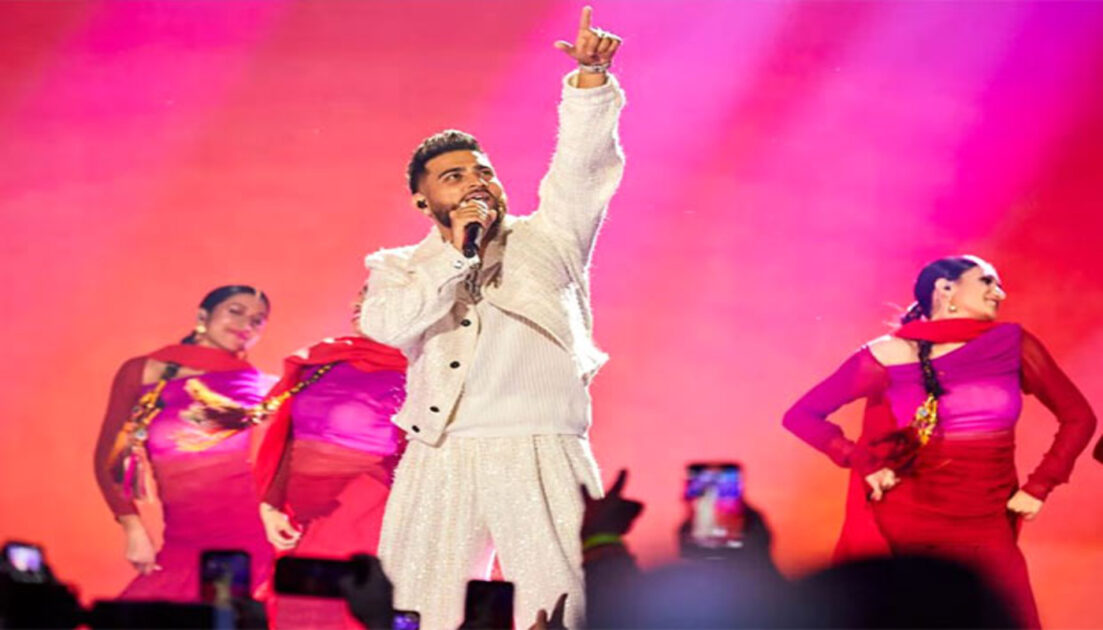
by On a night meant to celebrate music, identity, and youth culture, chaos stole the spotlight. What should have been a triumphant chapter in Karan Aujla’s India tour instead became a cautionary tale about crowd management, infrastructure failure, and the growing pains of India’s live entertainment industry.
Following reports of disorder at his February 28 Delhi concert at Jawaharlal Nehru Stadium, history appeared to repeat itself in Mumbai. At the MMRDA Grounds, thousands of attendees alleged severe mismanagement, lack of basic amenities like drinking water, overcrowding, and unsafe conditions. Social media videos amplified scenes of confusion and distress, transforming what should have been a cultural high point into a public relations and safety crisis.
This article takes a deep dive into what happened, why it matters, and what it reveals about the evolution—and vulnerabilities—of India’s rapidly expanding live music ecosystem.
The Delhi Domino Effect
The Delhi concert was reportedly attended by approximately 75,000 fans—an extraordinary number for a single-day event centered around a Punjabi artiste. The scale alone speaks volumes about Aujla’s rise from diaspora-fueled fame to pan-Indian phenomenon. His lyrical style, blending raw emotional storytelling with swaggering hip-hop influence, has resonated deeply with Gen Z and millennial audiences.
But the scale also proved to be a stress test for event planning.
At Jawaharlal Nehru Stadium, what began as a euphoric gathering reportedly spiraled into a “free-for-all arena.” Videos circulating online showed scuffles breaking out within the crowd. Attendees described pushing, panic, and insufficient crowd control. For many, it was not just disappointing—it was frightening.
While altercations at large gatherings are not unheard of, the perception that organizers were unprepared or slow to respond fueled a wave of criticism. In the era of real-time digital amplification, isolated moments of unrest quickly shape the narrative of an entire event.
The Delhi concert set the tone for what would become a larger conversation.
Mumbai: A Replay No One Wanted
Days later, the Mumbai leg at the MMRDA Grounds unfolded with unsettling familiarity. If Delhi was chaotic, Mumbai was described by some attendees as structurally flawed from the outset.
Complaints poured in regarding:
- Lack of accessible drinking water
- Long queues with inadequate management
- Insufficient sanitation facilities
- Overcrowded zones with unclear demarcation
- Limited emergency assistance visibility
Videos showed agitated fans attempting to navigate tightly packed enclosures. Some claimed they waited hours without proper hydration. Others reported difficulty exiting certain areas. The phrase “absence of basic amenities” became central to online outrage.
What makes this particularly concerning is that the Mumbai concert came after the Delhi incident. Expectations for corrective action were high. Instead, critics argue that the same logistical weaknesses resurfaced—raising questions about planning oversight and contingency readiness.
A Pattern, Not an Isolated Event
This was not the first time crowd unrest marked one of Aujla’s performances. In November 2025, during the Rolling Loud India festival at Loud Park in Kharghar, Navi Mumbai, a physical altercation disrupted proceedings. The incident reportedly involved Nigerian influencer Agu Stanley Chiedozie and another attendee.
While one incident might be dismissed as spontaneous, repeated disruptions across cities suggest systemic gaps rather than coincidence. Large-scale events—especially those with youthful, high-energy audiences—require meticulous crowd psychology planning. The music may fuel adrenaline; the infrastructure must absorb it.
The Meteoric Rise of Punjabi Live Culture
To understand the scale of these concerts, one must examine the transformation of Punjabi music from regional genre to global export. Artists like Aujla have built audiences not only in Punjab but across Canada, the UK, Australia, and increasingly urban India.
Punjabi hip-hop and pop are no longer niche. They represent aspiration, diaspora identity, and a distinct brand of masculinity and emotional expression. Stadium-level gatherings were once reserved for Bollywood megastars or international pop icons. Today, Punjabi artists command similar numbers.
But growth in audience size has not always been matched by equal growth in event infrastructure sophistication.
The Infrastructure Gap
India’s live music industry is expanding rapidly. International tours, EDM festivals, hip-hop showcases, and regional megaconcerts are now frequent. However, the ecosystem remains uneven.
Key challenges often include:
- Venue suitability versus ticket sales
- Adequate entry and exit gates
- Clear zoning and barricading
- Sufficient water and sanitation stations
- Real-time crowd density monitoring
- Emergency medical response teams
When a concert reaches tens of thousands, even minor logistical oversights multiply. A delay at one entry gate can create a surge at another. A shortage of water stations can trigger agitation. Crowd behavior is highly sensitive to environmental stress.
In Mumbai’s humid climate, hydration is not optional—it is essential. The absence of accessible water can escalate discomfort into anger within minutes.
Social Media: Amplifier and Accountability Tool
In earlier decades, event chaos might have remained anecdotal. Today, every smartphone is a broadcast device. Within minutes, clips from Delhi and Mumbai spread across Instagram, X, and YouTube.
This digital visibility creates two parallel effects:
- It pressures organizers and authorities to respond.
- It magnifies reputational damage for artists and promoters alike.
The artist’s brand becomes entangled with operational failures—even if they are not directly responsible. For many fans, the distinction between performer and promoter blurs.
Aujla’s music may not have incited violence, but the event environment allowed volatility to surface.
The Psychology of Mass Gatherings
Large concerts operate at the intersection of euphoria and unpredictability. Crowd psychology research shows that densely packed environments can quickly shift from celebratory to chaotic if individuals perceive threat, discomfort, or unfairness.
Triggers include:
- Perceived gate-crashing
- Rumors of limited access
- Heat exhaustion
- Long waits without communication
- Alcohol-related impairment
When communication is unclear, rumor spreads faster than fact. One push becomes ten. One altercation becomes a chain reaction.
Effective crowd management requires anticipatory strategy—not reactive improvisation.
The Responsibility Matrix
Who is responsible when concerts spiral into chaos?
The answer is layered:
- Promoters and event management companies oversee logistics.
- Venue authorities provide infrastructure and regulatory compliance.
- Local law enforcement manages external security and emergency response.
- Artists influence tone but rarely control operations.
Accountability often becomes diffuse. Each stakeholder may point to another. Meanwhile, the attendee bears the immediate risk.
For an industry seeking global credibility, this diffusion is unsustainable.
Economic Stakes and Pressure to Scale
The Indian live music market has seen dramatic growth in the past five years. Ticket prices for premium concerts can rival international standards. Sponsorship deals, brand collaborations, and streaming tie-ins add financial weight.
With high financial stakes comes pressure to maximize capacity. Selling out a 75,000-seat venue is both a commercial triumph and a logistical gamble.
Scaling responsibly means investing proportionately in:
- Security staff training
- Medical infrastructure
- Hydration stations
- Clear signage
- Crowd simulation modeling
Cutting corners—even unintentionally—undermines not just one event but public trust in the sector.
Touring Across Ten Cities: A Crucial Moment
Following Delhi and Mumbai, Aujla’s P-POP Culture India Tour is scheduled to continue across cities including Pune, Ahmedabad, Chandigarh, Bengaluru, Kolkata, Jaipur, Lucknow, and Ludhiana.
This continuation presents a pivotal opportunity.
If subsequent concerts demonstrate improved safety, transparent communication, and enhanced amenities, the narrative can shift from failure to reform. If similar issues persist, scrutiny will intensify.
Tours of this scale are not just entertainment—they are stress tests of national event management standards.
Lessons from Global Best Practices
Internationally, major music events employ advanced systems:
- RFID wristband tracking for crowd density
- AI-assisted monitoring through surveillance analytics
- Pre-mapped evacuation routes
- Designated cooling and hydration zones
- Structured barrier layering to prevent surges
India’s industry is capable of adopting similar measures. The question is not feasibility but prioritization.
The Human Cost of Neglect
Beyond headlines lies a simple reality: attendees are often young people saving money, traveling long distances, and investing emotionally in these experiences.
For many, a concert is not just a night out—it is memory-making.
When basic amenities are missing, that memory becomes tainted. When altercations erupt, excitement turns into anxiety. When exits feel unclear, joy morphs into fear.
The reputational damage extends beyond a single artist. Parents become wary. First-time attendees reconsider. Sponsors reassess risk.
Moving Forward: Reform Over Reaction
The Delhi and Mumbai incidents should not be framed merely as scandals. They are signals.
Signals that:
- Audience numbers are outpacing logistical readiness.
- Youth-driven music culture demands structured safety investment.
- Transparent post-event audits are necessary.
Organizers can restore confidence through:
- Publicly outlining corrective measures
- Increasing visible medical and hydration facilities
- Partnering with experienced international crowd safety consultants
- Limiting ticket sales to realistic venue capacity
- Publishing safety guidelines for attendees
Silence fuels speculation. Transparency builds trust.
A Cultural Turning Point
Karan Aujla’s rise symbolizes a broader cultural shift: regional voices commanding national stages. That shift deserves celebration.
But cultural elevation must be matched by infrastructural maturity.
India stands at a crossroads where its entertainment industry is globally ambitious yet domestically uneven. The Delhi and Mumbai episodes could either become cautionary footnotes—or catalysts for systemic improvement.
The music is ready for stadiums. The systems must be too.
Conclusion: Stardom Must Travel with Safety
Chaos at two consecutive concerts is more than coincidence. It is a wake-up call.
The responsibility to ensure safe, well-equipped events does not rest solely on the artist—but neither can the artist’s brand remain untouched by recurring disorder. As tours expand and audiences grow, safety cannot remain secondary to spectacle.
If reforms follow, these incidents may mark the painful adolescence of a maturing industry. If not, they risk becoming recurring headlines.
For now, the spotlight is not just on the stage—but on the structures surrounding it.