 by
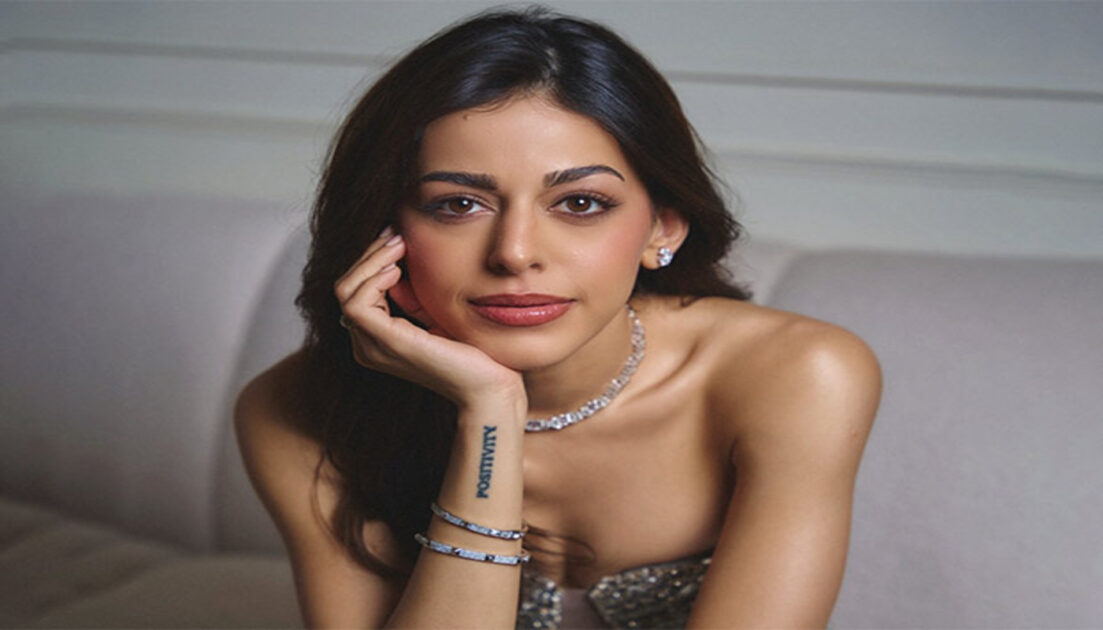
by In today’s hyper-connected world, where every public appearance is magnified and analyzed in real time, celebrity culture has entered an era of relentless scrutiny. A single photograph, a short runway clip, or even a fleeting expression can spark widespread speculation. Actor Alaya F recently experienced this phenomenon firsthand after her appearance at Lakmé Fashion Week led to rumors suggesting she had undergone cosmetic procedures such as a nose job or lip fillers.
Rather than allowing assumptions to spiral unchecked, Alaya chose to address the speculation directly. Her response—clear, composed, and unapologetically honest—has since sparked a broader conversation about beauty standards, social media culture, and the pressures faced by public figures in maintaining authenticity while navigating constant observation.
The Moment That Sparked the Conversation
Lakmé Fashion Week has long been regarded as one of India’s most influential fashion platforms, bringing together designers, celebrities, and cultural tastemakers under one roof. It is a space designed to celebrate creativity, individuality, and evolving aesthetics. For celebrities, walking the ramp at such an event is both a professional milestone and a visual spectacle.
Alaya F’s participation in the Max Fashion showcase was intended to highlight the brand’s contemporary, youthful identity. Her walk reflected confidence and a strong sense of personal style. However, as often happens in the age of social media, the narrative quickly shifted away from the fashion itself.
Shortly after her appearance, online discussions began focusing on her facial features. Social media users speculated that her nose and lips appeared different, leading to assumptions that she had undergone cosmetic enhancements. Screenshots, comparisons, and unsolicited opinions flooded comment sections, illustrating how quickly perception can transform into assumed “fact” in digital spaces.
Alaya F’s Response: Clarity Over Controversy
In response to the growing speculation, Alaya took to Instagram to address the rumors directly. Speaking candidly in a video, she stated:
“A lot of you guys think that I’ve gotten some surgery done — I’m getting like nose job and lip filler comments. I have not done anything, I promise. If I had, I would’ve told you.”
Her words were simple but firm. She went on to reassure viewers:
“See, it’s the same nose, same lips. Kuch nahi kiya hai maine.”
What made her response particularly notable was its tone. Rather than expressing frustration or defensiveness, she approached the situation with calmness and transparency. She even acknowledged possible reasons why her appearance might look different:
- Changes in lighting
- Improved hydration
- Lymphatic drainage techniques
- Face massage routines
By doing so, she subtly educated her audience about how easily visual perception can be influenced by factors unrelated to cosmetic procedures.
She further added:
“Surgery toh nahi kiya hai maine; if I had done it, I would’ve happily told you. I’m not the type to hide about all of this or lie about all of this at all.”
This statement reinforces an important aspect of her response—her emphasis on honesty. She positioned herself as someone who would not conceal such decisions, thereby challenging the assumption that celebrities are always hiding behind curated images.
The Lakmé Fashion Week Showcase: A Broader Context
The Max Fashion showcase at Lakmé Fashion Week featured a lineup of well-known personalities, each contributing to different segments of the presentation.
Siddhant Chaturvedi opened the Max Urban segment, setting a relaxed and youthful tone for the event. His presence brought energy and accessibility, aligning with the brand’s positioning.
Later, Alaya F took to the runway, presenting the collection with confidence and expressive styling. Her walk emphasized individuality, reflecting the evolving nature of fashion where personal identity plays a central role.
The core segment of the show featured Kalki Koechlin as the showstopper. Known for her distinctive presence, she added a composed and sophisticated dimension to the showcase.
The event concluded with a joint finale, where all three actors returned to the runway together. This moment symbolized unity and celebration, bringing the showcase to a dynamic close.
Despite the carefully curated presentation and collaborative effort behind the show, much of the post-event conversation became centered on Alaya’s appearance—highlighting how quickly attention can shift from artistic expression to physical analysis.
Why Cosmetic Surgery Speculation Is So Common Today
The speculation surrounding Alaya F is not an isolated incident. It reflects a larger cultural pattern shaped by several factors:
1. The Influence of High-Definition Media
Modern cameras capture details with remarkable precision. High-definition visuals, combined with zoom features and editing tools, allow viewers to scrutinize faces at an unprecedented level. Minor changes—whether due to makeup, lighting, or angle—can appear more pronounced than they actually are.
2. Social Media’s Amplification Effect
Platforms like Instagram and TikTok thrive on visual content. When an image goes viral, it is often accompanied by commentary, speculation, and rapid sharing. A single assumption can quickly evolve into a widely accepted narrative.
3. Evolving Beauty Standards
Contemporary beauty standards are heavily influenced by trends such as fuller lips, sharper jawlines, and symmetrical features. As these ideals become more prominent, audiences may project them onto celebrities, assuming that any perceived change must be the result of cosmetic enhancement.
4. Accessibility of Cosmetic Procedures
As cosmetic procedures become more common and less stigmatized, people are more inclined to assume that public figures have undergone them. While increased openness can be positive, it also leads to overgeneralization.
The Role of Lighting, Angles, and Styling
One of the most important points Alaya highlighted in her response is the impact of external factors on appearance. This aspect is often overlooked in online discussions.
Lighting
Lighting can dramatically alter facial features. Harsh lighting can create sharper shadows, making features appear more defined, while soft lighting can smooth out contours.
Camera Angles
Different angles can change how features are perceived. A slightly tilted camera can make the nose appear slimmer or the lips more prominent.
Makeup Techniques
Professional makeup artists use contouring, highlighting, and shading to enhance certain features. These techniques can create the illusion of structural changes without any physical alteration.
Skin Care and Wellness
Hydration, diet, and skincare routines can significantly affect skin texture and overall appearance. Practices like lymphatic drainage massages can reduce puffiness and enhance facial definition.
By pointing out these factors, Alaya indirectly challenged the assumption that visible differences must always be surgical.
Celebrity Transparency and Public Expectations
Alaya F’s statement, “If I had done it, I would’ve told you,” touches on a larger issue—the expectation of transparency from celebrities.
In recent years, there has been a growing demand for public figures to be open about cosmetic procedures. This shift is partly driven by the desire for authenticity and partly by concerns about unrealistic beauty standards.
However, this expectation raises important questions:
- Do celebrities owe the public complete transparency about their personal choices?
- Where should the line between public and private life be drawn?
- Can authenticity coexist with personal boundaries?
Alaya’s response navigates this space carefully. While she denies undergoing any procedures, she also emphasizes her willingness to be honest, thereby maintaining credibility without compromising her autonomy.
The Psychological Impact of Constant Scrutiny
For celebrities, constant commentary on appearance can have significant psychological effects. While public figures are often perceived as resilient, they are not immune to the pressures of criticism and speculation.
1. Identity and Self-Perception
Repeated scrutiny can influence how individuals perceive themselves. Even unfounded rumors can create self-doubt or pressure to conform to certain standards.
2. Performance Pressure
Actors are already under pressure to maintain a certain image for professional reasons. Additional scrutiny from the public can intensify this pressure.
3. Emotional Fatigue
Constant speculation can be exhausting, leading to frustration or disengagement from social media.
Alaya’s composed response suggests a level of confidence and self-assurance, but it also highlights the emotional labor involved in addressing such narratives.
The Audience’s Role: From Consumers to Contributors
In the digital age, audiences are no longer passive consumers of content. They actively shape narratives through comments, shares, and discussions.
This shift comes with responsibility. While curiosity is natural, speculation—especially about someone’s physical appearance—can cross into intrusive territory.
The conversation around Alaya F serves as a reminder that:
- Words and assumptions have impact
- Not every perceived change requires explanation
- Respect for personal boundaries is essential
Professional Journey: Beyond the Headlines
While the current discussion focuses on her appearance, Alaya F’s professional journey reflects her growth as an actor.
She was last seen in “Bade Miyan Chote Miyan,” alongside Akshay Kumar and Tiger Shroff. The film received a mixed response, but it contributed to her visibility in mainstream cinema.
Looking ahead, she is set to headline the upcoming series “Storm,” an Amazon Prime Video original backed by Hrithik Roshan. The project features a diverse ensemble cast, including Saba Azad, Parvathy Thiruvothu, Srishti Shrivastava, and Suvinder Vicky.
This transition into streaming platforms indicates a strategic expansion of her career, aligning with the industry’s evolving landscape where digital content plays an increasingly significant role.
Beauty, Authenticity, and the Future of Celebrity Culture
The discourse surrounding Alaya F ultimately reflects broader cultural shifts:
- A growing emphasis on authenticity
- Increased awareness of digital manipulation
- Changing attitudes toward cosmetic procedures
While speculation may not disappear entirely, conversations like these contribute to a more nuanced understanding of beauty and perception.
Alaya’s response, though centered on a specific rumor, carries a larger message: not every change is artificial, not every perception is accurate, and not every narrative needs to be accepted without question.
Conclusion: A Moment That Mirrors a Larger Reality
Alaya F’s reaction to cosmetic surgery speculation is more than a celebrity clarification—it is a reflection of the times we live in. In a world where visibility comes with constant evaluation, maintaining authenticity requires both confidence and clarity.
Her decision to address the rumors directly demonstrates a shift in how public figures engage with their audience. Instead of allowing speculation to define the narrative, she reclaimed it—calmly, honestly, and without unnecessary drama.
At its core, this moment is not just about one actor or one rumor. It is about the evolving relationship between celebrities and audiences, the power of perception, and the ongoing conversation about beauty in a digitally driven world.
As the lines between reality and representation continue to blur, one thing remains clear: authenticity, when expressed with confidence, has the power to cut through even the loudest noise.