 by
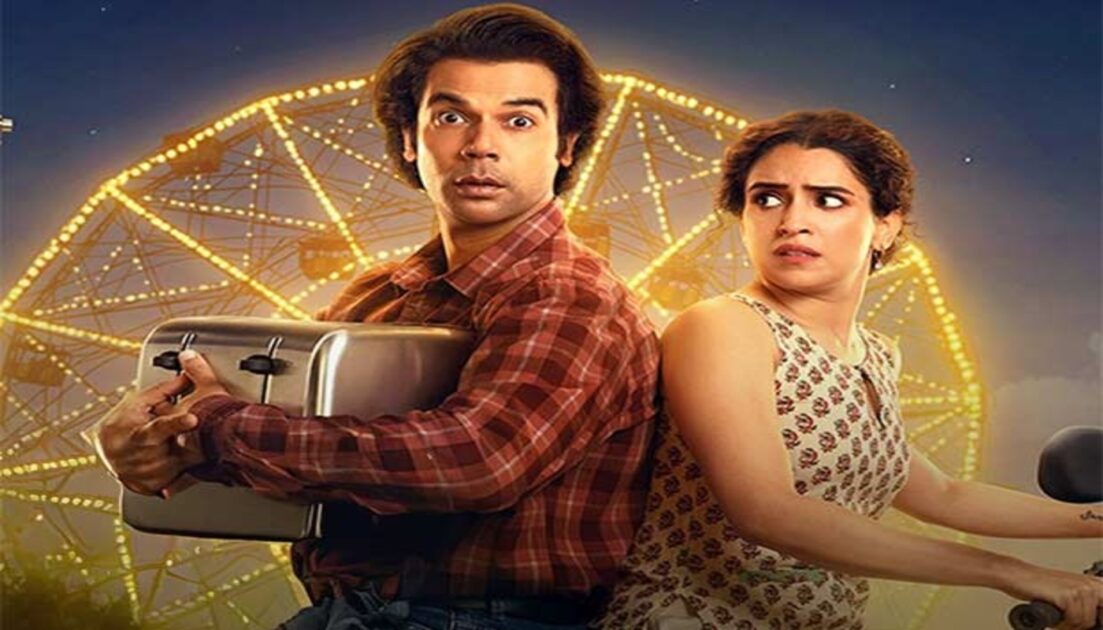
by In a cinematic landscape often dominated by grand narratives, sweeping romances, and high-octane action, it is sometimes the smallest, most mundane objects that trigger the most compelling stories. A misplaced letter, a forgotten phone, or—in the case of Toaster—a seemingly insignificant household appliance can become the epicenter of chaos. The upcoming dark comedy Toaster taps into this very idea, transforming an everyday object into a narrative catalyst that spirals into absurdity, tension, and biting social commentary.
Set to premiere on April 15, the film offers more than just laughs. It presents a layered exploration of human behavior, obsession, and the fragile line between practicality and irrationality. At its core lies a deceptively simple premise: a man unwilling to let go of something he paid for. But as the story unfolds, this simple motivation morphs into a chaotic journey filled with misunderstandings, emotional turmoil, and unintended consequences.
The Premise: When a Toaster Becomes a Trigger
The brilliance of Toaster lies in its simplicity. The narrative revolves around Ramakant, a man whose obsession with saving money defines his worldview. For him, every rupee saved is not just a victory—it is a moral triumph. This belief system shapes his decisions, relationships, and ultimately, his fate.
The inciting incident is almost comically trivial. Ramakant gifts a toaster at a wedding—a socially acceptable, even predictable gesture. However, when he learns that the gift is not being used and is essentially going to waste, something within him snaps. What follows is his relentless quest to retrieve the toaster, a journey that quickly descends into chaos.
This premise taps into a universal truth: the disproportionate emotional weight we attach to material possessions. What makes Toaster compelling is how it magnifies this tendency to absurd levels, forcing the audience to confront their own quirks and contradictions.
Ramakant: The Psychology of a Miser
At the heart of the film is Ramakant, a character who is both relatable and deeply flawed. He is not portrayed as a villain but as a man driven by a belief system that he genuinely considers rational. This nuance is crucial. His actions are not fueled by malice but by a distorted sense of logic.
Ramakant’s frugality is not merely a personality trait—it is an identity. It shapes how he interacts with the world, influencing his relationships and decisions. He measures value not in emotional or social terms but in monetary ones. For him, wasting money is akin to committing a moral wrongdoing.
This psychological framework makes his descent into chaos all the more fascinating. The audience is invited to empathize with him, even as his actions become increasingly absurd. His journey raises important questions: At what point does practicality become obsession? When does saving money turn into losing control?
Dark Comedy as a Mirror to Society
Toaster operates firmly within the realm of dark comedy, a genre that thrives on discomfort, irony, and contradiction. Unlike traditional comedies that rely on lighthearted humor, dark comedy exposes the darker aspects of human nature while still eliciting laughter.
The film’s humor emerges from the gap between Ramakant’s intentions and the consequences of his actions. He believes he is acting logically, even responsibly. Yet, each step he takes only complicates the situation further, creating a domino effect of chaos.
This style of storytelling serves as a mirror to society. In a world increasingly driven by consumerism, financial anxiety, and the pressure to appear practical, Ramakant’s character feels eerily familiar. His obsession is an exaggerated reflection of real-world behaviors, making the film both entertaining and thought-provoking.
The Ensemble Effect: Chaos Amplified Through Characters
While Ramakant is the central figure, the film’s ensemble cast plays a crucial role in amplifying the chaos. Each character brings their own quirks, motivations, and perspectives, adding layers to the narrative.
These characters are not mere bystanders; they are active participants in the unfolding chaos. Their interactions with Ramakant create a dynamic web of relationships, misunderstandings, and conflicts. As the story progresses, the lines between right and wrong blur, and each character’s actions contribute to the escalating turmoil.
The ensemble approach allows the film to explore multiple dimensions of human behavior. It highlights how individual actions, no matter how small, can have far-reaching consequences when intertwined with others.
From Object to Obsession: The Symbolism of the Toaster
The toaster, while seemingly trivial, serves as a powerful symbol within the narrative. It represents more than just a physical object; it embodies Ramakant’s values, insecurities, and worldview.
On one level, the toaster symbolizes material attachment—the idea that objects hold intrinsic value because of the money spent on them. On another level, it reflects the human tendency to seek control in an unpredictable world. By fixating on the toaster, Ramakant attempts to impose order on his surroundings.
As the story unfolds, the toaster becomes a metaphor for the absurdity of human priorities. It raises an important question: Why do we allow insignificant things to hold such power over us?
Escalation and Absurdity: The Anatomy of Chaos
One of the film’s strengths lies in its pacing and narrative structure. What begins as a simple quest quickly escalates into a series of increasingly absurd situations. Each twist adds a new layer of complexity, keeping the audience engaged and on edge.
This escalation is not random; it follows a carefully crafted trajectory. Each event logically stems from the previous one, creating a sense of inevitability. The chaos feels organic, making the story both believable and entertaining.
The film’s ability to balance humor and tension is particularly noteworthy. While the situations are often ridiculous, they are grounded in real emotions and motivations. This balance ensures that the comedy never feels forced or superficial.
Relatability in Extremes: Why the Story Resonates
Despite its exaggerated premise, Toaster resonates because it taps into universal experiences. Most people have, at some point, struggled to let go of something they paid for, even when it no longer serves a purpose.
This relatability is key to the film’s appeal. It allows the audience to see themselves in Ramakant, even as they laugh at his antics. The film does not judge its characters; instead, it invites viewers to reflect on their own behaviors and choices.
In this sense, Toaster is not just a comedy but a commentary on human nature. It highlights the irrationality that often underlies our decisions, challenging the notion that we are always guided by logic.
The Role of Setting and Social Context
The film’s setting plays a significant role in shaping its narrative. The social and cultural context adds depth to the story, influencing the characters’ actions and interactions.
In many societies, including those where financial prudence is highly valued, frugality is often seen as a virtue. However, Toaster explores what happens when this virtue is taken to an extreme. It examines the fine line between being careful with money and being consumed by it.
The wedding setting, in particular, adds an interesting layer to the story. Weddings are traditionally associated with generosity, celebration, and social expectations. Ramakant’s behavior stands in stark contrast to these norms, creating both humor and tension.
Performance and Character Depth
The performances in Toaster are expected to play a crucial role in bringing the story to life. The portrayal of Ramakant requires a delicate balance between humor and sincerity. The character must be believable enough to evoke empathy, yet exaggerated enough to drive the comedy.
The supporting cast also contributes significantly to the film’s tone and pacing. Their interactions with Ramakant provide opportunities for both conflict and humor, enriching the narrative.
Strong performances can elevate a film from being merely entertaining to truly memorable. In a story driven by character dynamics, the actors’ ability to embody their roles is essential.
Screenwriting and Dialogue: Crafting the Chaos
The screenplay of Toaster is a key element in its success. Writing a dark comedy requires a nuanced approach, where humor is derived not from jokes but from situations and character interactions.
The dialogue, in particular, plays a crucial role in shaping the film’s tone. It must reflect the characters’ personalities while also advancing the narrative. Sharp, witty exchanges can enhance the comedic impact, while subtle nuances can add depth to the story.
The film’s writers have crafted a narrative that is both engaging and thought-provoking. By blending humor with insight, they have created a story that resonates on multiple levels.
The Evolution of Indian Dark Comedy
Toaster is part of a broader trend in Indian cinema, where filmmakers are increasingly experimenting with unconventional narratives and genres. Dark comedy, in particular, has gained popularity for its ability to tackle serious themes in an accessible way.
This genre allows filmmakers to explore complex issues without being overly didactic. By using humor as a tool, they can engage audiences while also encouraging reflection.
Toaster contributes to this evolving landscape by offering a fresh perspective. Its focus on a seemingly trivial object sets it apart, demonstrating that compelling stories can emerge from the most unexpected places.
Consumerism and Control: Underlying Themes
Beyond its comedic surface, Toaster delves into deeper themes related to consumerism and control. In a world where material possessions often define identity and status, the film questions the value we place on objects.
Ramakant’s obsession with the toaster reflects a broader societal tendency to equate money with worth. His inability to let go highlights the psychological grip that material possessions can have on individuals.
The film also explores the concept of control. By fixating on the toaster, Ramakant attempts to assert control over his environment. However, this need for control ultimately leads to chaos, illustrating the paradox of human behavior.
Why Toaster Stands Out
What sets Toaster apart is its ability to transform the ordinary into the extraordinary. It takes a simple idea and expands it into a complex, multi-layered narrative.
The film’s strength lies in its characters, storytelling, and thematic depth. It offers more than just entertainment; it provides insight into human behavior and societal norms.
By blending humor with introspection, Toaster creates a unique viewing experience. It challenges audiences to think, reflect, and perhaps even laugh at themselves.
Conclusion: A Small Object, A Big Impact
In the end, Toaster is a reminder that even the smallest things can have significant consequences. It highlights the unpredictability of life and the complexity of human behavior.
Through its darkly comic lens, the film explores themes of obsession, control, and the value we assign to material possessions. It invites audiences to question their own priorities and consider the impact of their actions.
As the story unfolds, what begins as a simple quest for a toaster evolves into a chaotic journey that is as entertaining as it is thought-provoking. It is a testament to the power of storytelling, proving that sometimes, the most compelling narratives are born from the most unexpected ideas.
With its intriguing premise, strong performances, and layered storytelling, Toaster promises to be a film that lingers in the minds of its audience long after the credits roll.