 by
by One of the most iconic films in the history of Indian cinema, Sholay (1975), is once again making headlines. This time, it is not just for its timeless storytelling or stellar performances, but for its upcoming re-release as Sholay – The Final Cut. Scheduled to hit cinemas on Friday, December 12, 2025, this restored edition promises to deliver what fans have long awaited: the original ending, two previously deleted scenes, and a 4K restoration with Dolby 5.1 sound, all preserved in the original 70 mm aspect ratio of 2.2:1. While the announcement initially sparked excitement among cinephiles, the journey toward this re-release has been anything but smooth, and the film now finds itself in a whirlwind of logistical, marketing, and creative controversies.
The Promise of a Cinematic Milestone
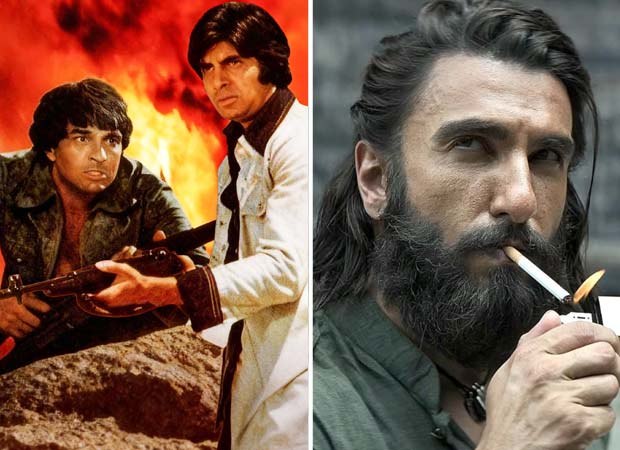
Sholay is widely regarded as one of the most influential films in Bollywood history. Directed by Ramesh Sippy and written by Salim-Javed, it has left an indelible mark on Indian popular culture. From its memorable dialogues to its gripping narrative and unforgettable performances by Dharmendra, Amitabh Bachchan, Hema Malini, and Amjad Khan, Sholay is considered a benchmark of masala cinema. Over the decades, it has garnered cult status, with fans watching and rewatching the film on television, DVD, and digital platforms.
The announcement of Sholay – The Final Cut was therefore met with enthusiasm. The restoration partners, Film Heritage Foundation (FHF), along with producers Sippy Films, highlighted that this edition would not just be a re-release but a cinematic revival, preserving the grandeur of the 1975 classic for contemporary audiences. The claim of releasing in 1,500 screens across India added to the hype, positioning it as potentially the widest release for a restored film in the country. The promise of seeing the film in 4K with the original 70 mm aspect ratio excited both hardcore cinephiles and casual viewers alike.
The First Hurdle: Cancellation at IFFI, Goa
However, the journey to the big screen has not been smooth. One of the first signs of trouble emerged when the planned screening of Sholay – The Final Cut at the 56th International Film Festival of India (IFFI), Goa, was suddenly canceled. While many speculated that the cancellation was linked to the recent death of Dharmendra, one of the film’s legendary stars, Hindustan Times reported that the screening was scrapped due to “technical glitches from the makers’ side,” according to an anonymous IFFI official.
This cancellation was a blow to the film’s marketing momentum, as festival screenings often serve as a critical platform to generate buzz and media attention. Industry insiders noted that a prestigious festival debut could have helped in positioning the re-release as a carefully curated cinematic experience, rather than a mere commercial event.
The 1,500-Screen Claim: Overambitious or Miscalculated?
The next point of controversy centered on the claim that Sholay – The Final Cut would release on 1,500 screens. A post by Film Heritage Foundation in mid-November highlighted this as “the biggest ever release of a restored film befitting the return of India’s most iconic film to the big screen 50 years since it was first released.” While Sippy Films later confirmed the claim on December 2, 2025, the announcement was met with skepticism within the film trade.
A trade source explained to Bollywood Hungama that the claim was startling given the logistical and market realities. “It is unheard of for a film to achieve such a wide release in a repeat run,” said the source. For context, the widest previous re-release attempt was by Rakesh Roshan with Karan Arjun (1995), which had released in 1,110 screens. That was possible largely because there was minimal competition at the time. In contrast, Sholay – The Final Cut is scheduled for a release week crowded with high-profile films such as Dhurandhar and Kis Kisko Pyaar Karoon 2.
Industry insiders suggest that the claim may have been an overzealous marketing strategy. Attempting to announce the “widest release ever” creates hype but also sets expectations that are difficult to meet in the real world. As per sources, the team is struggling to secure even 1,000 screens, with Pen Marudhar Entertainment using its extensive distribution network to help maximize theatre allocations. Still, the likelihood of reaching 1,500 screens seems remote, leading to concerns that the ambitious claim may backfire.
Competition and Capacity Challenges
Timing appears to be another significant issue. Sholay – The Final Cut is slated to release just a week after Dhurandhar, which has already generated massive buzz and ticket sales. Both films are notably long, with runtimes exceeding three hours. This creates operational challenges for theatres, as longer films mean fewer showings per day.
“Cinemas will face capacity issues,” a trade insider explained. “Usually, tickets for re-release films are capped at Rs. 150, but Sholay – The Final Cut will have tickets at normal rates, which could limit audience turnout.” Moreover, December is traditionally a crowded month for Bollywood releases, with big-budget films lined up for Christmas and New Year viewership. Competing against films like Avatar: Fire and Ash, which is set to release immediately after Sholay, may further fragment audiences.
The insider further questioned the logic behind the timing, noting that a November or early January release could have ensured lower competition and better box office prospects. “It seems like the marketing push is more focused on the hype than on strategic placement,” the source added.
Marketing Missteps and Audience Expectations
While the technical restoration and 4K presentation should have been the main talking points, other issues have overshadowed these efforts. In recent weeks, fans expressed outrage over a dialogue change in the trailer. The iconic “James Bond” reference in a memorable scene was replaced with “Tatya Tope,” sparking debates about fidelity to the original script.
Javed Akhtar, one of the film’s legendary writers, voiced his concern, saying, “What does this mean? And this is just one dialogue. They might have similarly changed other famous lines. The audience won’t accept this… Have they spoken to the director (Ramesh Sippy)? They certainly have not spoken to me or Salim saab.”
This controversy highlights the delicate balance required when restoring a cult classic. Fans expect authenticity, and even minor changes can trigger backlash, especially for a film that has achieved near-religious reverence in Indian cinema.
Why Sholay Still Matters
Despite these missteps, the significance of Sholay – The Final Cut cannot be overstated. This film is not just entertainment; it is a cultural landmark. It represents a golden era of Bollywood where storytelling, music, dialogues, and star power converged to create an enduring phenomenon. The opportunity to experience it in 4K with Dolby sound in theatres is a rare one for newer generations who have grown up consuming content on smartphones and television screens.
Moreover, with the recent passing of Dharmendra, there is renewed public interest in revisiting the actor’s legacy. For many fans, this release will serve as a tribute to the man who embodied the heroism and charisma of his generation. The emotional resonance alone has the potential to drive audiences to theatres, irrespective of marketing mishaps.
Industry Analysis: Challenges of Re-Releases
The issues surrounding Sholay – The Final Cut offer insights into the broader challenges of re-releasing classic films in India. Re-releases have become a growing trend, with studios attempting to monetize nostalgia. Successful examples include Karan Arjun, Hum Aapke Hain Koun, and more recently, digital restorations of regional classics.
However, several factors complicate this process:
- Screen Availability: Modern multiplexes prioritize films that can maximize revenue per screen. Longer films reduce showings, making it financially risky to allot screens to re-releases.
- Ticket Pricing: Re-releases often have reduced ticket pricing, which can affect profitability. Maintaining standard pricing, as in the case of Sholay – The Final Cut, may discourage audiences accustomed to budget options for older films.
- Competition: Crowded release calendars, especially in the holiday season, limit the ability of re-releases to secure prime slots, as exhibitors prefer films with higher commercial potential.
- Fan Expectations: Classics have loyal fan bases who are quick to critique any deviations from the original. Even minor changes, whether in dialogues, scenes, or soundtracks, can create public relations challenges.
- Marketing Strategy: Overhyping screen counts or promising unprecedented scale can backfire if targets are not met, leading to negative press and audience skepticism.
In light of these factors, it is clear that a re-release, no matter how iconic the source material, requires meticulous planning and collaboration between producers, distributors, and exhibitors.
Fan Sentiment: Nostalgia vs. Criticism
Social media reactions suggest a mixture of anticipation and apprehension among fans. Many are excited to witness the original ending and enjoy the film on the big screen for the first time. For younger audiences, this is a chance to experience Sholay as it was meant to be seen, in all its cinematic grandeur.
On the other hand, dialogue changes and logistical issues have sparked criticism. Fans express disappointment over the trailer and fear that the restored edition might compromise the original essence. Comments range from frustration at the 1,500-screen claim to skepticism about whether the timing and ticket pricing will cater to audiences effectively.
This dual sentiment underscores the challenge of balancing commercial strategy with fan loyalty. While the nostalgia factor can drive ticket sales, mishandling the re-release risks alienating the very audience that has kept Sholay alive in public imagination for five decades.
The Role of Technology in Preservation
From a technical standpoint, Sholay – The Final Cut represents a significant achievement in film preservation. The restoration in 4K with Dolby 5.1 and the retention of the original 70 mm aspect ratio ensures that the cinematic experience matches or surpasses the original theatre presentation of 1975.
Film Heritage Foundation, which spearheaded the restoration, has been involved in preserving several iconic Indian films, emphasizing the importance of archival efforts. Modern digital techniques allow for cleaning up grainy footage, restoring colors, and enhancing sound, thereby providing audiences with a visually and aurally superior experience. Such efforts are crucial not only for entertainment but also for cultural preservation, ensuring that future generations can access India’s cinematic legacy in its truest form.
Could Better Planning Have Prevented the Controversy?
Analysts argue that many of the current controversies could have been avoided with better planning. For example, a strategic release in November or early January could have minimized competition and maximized audience engagement. A more conservative marketing claim, focusing on the restoration and original ending rather than screen count, might have avoided skepticism.
Furthermore, closer consultation with the original writers and creators could have prevented the backlash over dialogue changes. Ensuring that the trailer faithfully represents the original experience would have preserved fan trust and reinforced the narrative of authenticity.
The current scenario underscores that even legendary films require careful, strategic handling when being reintroduced to modern audiences.
Conclusion: Legacy vs. Marketing Hurdles
Sholay – The Final Cut is a landmark event in Indian cinema. Its significance lies not just in nostalgia but in the restoration of a cultural artifact that has shaped storytelling, character archetypes, and audience expectations for generations. The film’s 4K restoration, Dolby sound, and preservation of the 70 mm format offer an unparalleled cinematic experience.
Yet, the road to this release has been fraught with challenges: from the canceled IFFI screening to unrealistic screen count claims, competition from contemporary blockbusters, and controversial dialogue changes. These issues highlight the delicate balance required to honor a classic while navigating modern commercial realities.
Ultimately, the success of Sholay – The Final Cut will depend on the audience’s willingness to look beyond mismanagement and embrace the film’s legacy. If the film manages to fill theatres and evoke the same excitement as the original, it will reaffirm that some classics, regardless of the circumstances, are timeless. For fans and cinephiles alike, this re-release represents an opportunity to celebrate the magic of Sholay one more time, ensuring that the legend lives on for another generation