 by
by In the world of cinema, success is often measured not only by the films an actor chooses—but also by the ones they leave behind. Every major industry story is filled with near-misses, alternate castings, and decisions that, in hindsight, seem pivotal. For actors, these moments can become defining reflections of timing, instinct, and circumstance.
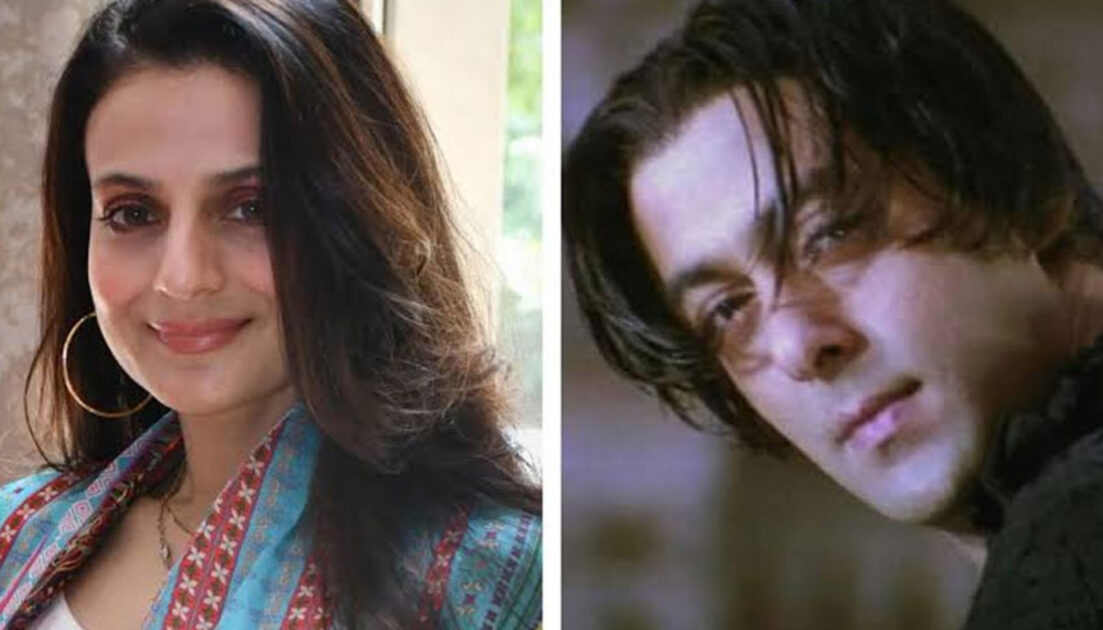
One such moment recently resurfaced when Ameesha Patel candidly spoke about a decision she still regrets: turning down the opportunity to star in Tere Naam, the 2003 romantic drama that went on to become a landmark film. Her admission—simple, honest, and reflective—has reignited conversations about career choices, missed opportunities, and the unpredictable nature of the film industry.
But beyond the headline, this story opens a much deeper discussion. It is about timing in cinema, the evolution of an actor’s career, the role of uncertainty in decision-making, and the delicate balance between risk and stability in an industry where outcomes are never guaranteed.
The Film That Became a Cultural Phenomenon
When Tere Naam released in 2003, it did more than perform well at the box office—it became a cultural moment.
The film’s emotional intensity, tragic narrative, and raw portrayal of love struck a chord with audiences across India. Its lead character, portrayed with intensity and vulnerability, became iconic, influencing everything from hairstyles to dialogues that still echo in popular culture.
The film’s success was not just commercial—it was emotional and cultural. It tapped into a specific kind of storytelling that resonated deeply with audiences who were drawn to themes of obsessive love, heartbreak, and personal transformation.
For any actor, being part of such a project can become a defining milestone.
Ameesha Patel’s Reflection: Honesty Over Hindsight
Years after the film’s release, Ameesha Patel openly acknowledged that she wishes she had been part of it.
Her statement, “I wish I had done it,” reflects a rare kind of honesty in an industry where actors often avoid discussing missed opportunities.
What makes her reflection particularly meaningful is the context she provided:
- She was approached when the project was still in its early stages
- Key details, including the director, had not yet been finalized
- She had prior professional commitments that limited her availability
- By the time the film took clearer shape, she was no longer able to adjust her schedule
This is not a story of rejection—it is a story of timing.
The Importance of Timing in Film Decisions
In Bollywood, timing is everything.
A script might sound promising, but without a finalized director, production schedule, or clear timeline, committing to a project becomes a risk.
Actors often face decisions where they must choose between:
- A confirmed project with defined timelines
- A promising script with uncertain execution
In such scenarios, the safer choice is often to commit to projects that are already in motion.
From a professional standpoint, Ameesha’s decision aligns with industry norms. Actors rely on structured schedules, contractual clarity, and production certainty.
However, cinema history is full of examples where uncertain projects later become iconic.
This is where hindsight creates a sense of “what if.”
Career Context: Where Ameesha Patel Stood at the Time
To fully understand her decision, it is important to consider where Ameesha Patel was in her career during the early 2000s.
She had already established herself with successful films and was navigating a phase where maintaining momentum was crucial.
At that stage, actors often prioritize:
- Consistency in releases
- Visibility in the market
- Financial stability
- Strategic career positioning
Choosing a project without finalized details could disrupt these priorities.
From that perspective, her decision was not unusual—it was practical.
The Role That Went On to Define Another Career
The role eventually went to Bhumika Chawla, who delivered a performance that became closely associated with the film’s emotional impact.
For Bhumika, Tere Naam became a breakthrough moment—an example of how the right role at the right time can shape an actor’s trajectory.
This highlights an important aspect of cinema:
Roles are not just written—they are lived differently by each actor.
Had Ameesha Patel taken on the role, the film may still have succeeded—but it would have been a different interpretation, a different emotional tone, a different cinematic experience.
The Unpredictability of Success in Bollywood
One of the defining characteristics of the film industry is its unpredictability.
No one can accurately predict:
- Which films will succeed
- Which performances will resonate
- Which stories will become cultural phenomena
Actors often make decisions based on:
- Script quality
- Director reputation
- Production backing
- Personal intuition
Even with all these factors considered, outcomes remain uncertain.
This unpredictability is what makes missed opportunities both inevitable and deeply reflective.
The Psychology of Regret in Creative Careers
Regret, in the context of creative professions, is complex.
It is not always about making the wrong decision—it is often about imagining an alternate reality where a different choice might have led to a different outcome.
For actors, this can manifest as:
- Wondering how a role might have shaped their career
- Reflecting on missed collaborations
- Considering the cultural impact of projects they were once connected to
Ameesha Patel’s admission reflects a healthy form of professional reflection rather than self-criticism.
It acknowledges the emotional weight of missed opportunities without dismissing the realities that led to the decision.
Industry Patterns: The Many “Almost Cast” Stories
Bollywood is filled with stories of actors who were almost part of iconic films.
These stories often reveal:
- The fluid nature of casting decisions
- The importance of timing and availability
- The role of chance in shaping careers
Some actors decline roles that later become hits. Others accept projects that do not perform as expected.
This constant uncertainty is part of the industry’s fabric.
Creative Alignment: Why Not Every Role Fits
Another important factor in casting decisions is creative alignment.
Even if a script is appealing, actors must consider:
- Whether the role suits their image
- Whether the narrative aligns with their career goals
- Whether the project complements their existing commitments
In the case of Tere Naam, the role required emotional intensity and a certain narrative tone that may not align with every actor’s trajectory at a given time.
This does not diminish the value of the role—it simply reflects the complexity of decision-making.
The Evolution of Ameesha Patel’s Career
Over the years, Ameesha Patel has continued to remain a recognizable figure in the industry.
Her career has seen:
- Major commercial successes
- Phases of transition
- Periods of selective appearances
Her recent reflections suggest a willingness to engage with her past decisions openly.
This transparency resonates with audiences who appreciate authenticity over perfection.
The Cultural Legacy of
Tere Naam
Even years after its release, Tere Naam continues to hold a strong place in popular culture.
Its impact can be seen in:
- Memorable dialogues
- Distinct character styling
- Emotional storytelling that resonates across generations
For actors, being part of such a film often becomes a lasting association.
This is why missed opportunities connected to such projects carry emotional weight.
The Role of Directors and Finalized Teams
One key detail in Ameesha’s reflection is that the director had not been finalized when she was first approached.
In filmmaking, the director plays a crucial role in shaping the final product.
Actors often consider:
- The director’s vision
- Their past work
- Their approach to storytelling
Without this clarity, committing to a project becomes more uncertain.
Once the director joined and the project gained structure, scheduling conflicts had already limited her availability.
Scheduling Conflicts: A Common Industry Challenge
Scheduling conflicts are one of the most common reasons actors miss out on roles.
Unlike other professions, film commitments often involve:
- Long shooting schedules
- Location changes
- Promotional responsibilities
Once an actor signs a project, adjusting dates becomes difficult.
This creates situations where:
- Opportunities overlap
- Decisions must be made quickly
- Long-term outcomes remain unknown
In Ameesha’s case, prior commitments ultimately determined her decision.
Fan Perspective: Why These Stories Resonate
Fans are naturally drawn to “what could have been” stories.
They imagine:
- How the film might have looked with a different cast
- How performances might have changed
- How careers might have evolved differently
These discussions keep older films relevant and create ongoing engagement with cinema history.
Lessons from the Story
This story offers several valuable insights:
1. Timing Matters More Than Talent Alone
Even talented actors can miss out on iconic roles due to timing.
2. Uncertainty Is Part of Creativity
Not every promising project comes with clarity from the start.
3. Decisions Are Made with Limited Information
Actors rarely have the benefit of hindsight when making choices.
4. Regret Can Be Reflective, Not Negative
Acknowledging missed opportunities can lead to growth and perspective.
The Broader Narrative: Careers Beyond Single Films
While Tere Naam is an important film, no single project defines an entire career.
Actors build their journeys through:
- Multiple performances
- Varied roles
- Long-term consistency
Ameesha Patel’s career cannot be reduced to one missed opportunity.
Instead, it is part of a larger narrative that includes successes, challenges, and evolution.
Conclusion: The Role That Remains a “What If”
In the end, the story of Ameesha Patel and Tere Naam is not about regret alone—it is about the unpredictability of creative careers.
It is about how decisions are made in real time, without the clarity that hindsight provides.
It is about the roles actors take, the ones they leave behind, and the stories that continue to evolve long after the credits roll.
Her honest admission adds a human dimension to the industry—a reminder that even in a world of glamour and success, there are moments of reflection, curiosity, and “what if.”
And perhaps that is what makes cinema so compelling.
Not just the stories on screen—but the stories behind them.