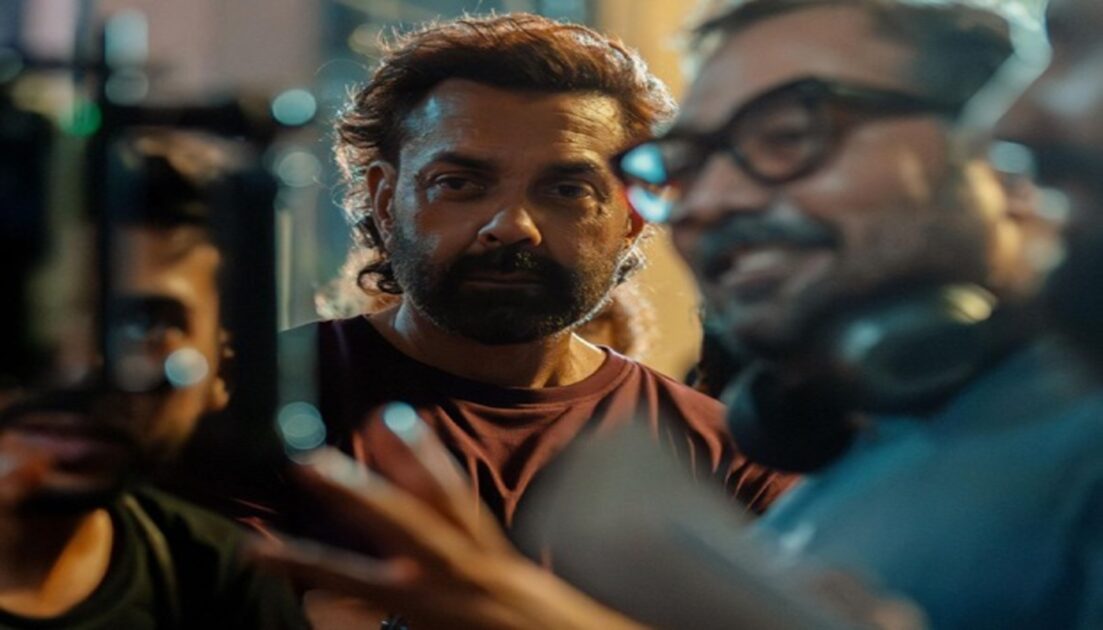
 by
by The announcement of Bandar’s worldwide theatrical release on June 5, 2026 has sparked significant excitement across the Indian film industry and among audiences who closely follow content-driven cinema. With Bobby Deol in the lead and Anurag Kashyap at the helm as director, the film is already being positioned as one of the most anticipated releases of the year.
But beyond the surface-level buzz, Bandar represents something deeper—a convergence of bold storytelling, evolving actor trajectories, and a creative ecosystem that has consistently pushed the boundaries of Indian cinema. This is not just another film announcement; it is a signal of intent, both from its creators and from an industry that is increasingly embracing layered narratives.
This article explores the significance of Bandar, the creative minds behind it, the evolution of its lead actor, and why this project could become a defining cinematic moment in 2026.
The Announcement That Set the Tone
When the makers officially confirmed the release date of Bandar, it immediately entered the conversation as a major theatrical event. Scheduled for June 5, 2026, the film is set to release globally, indicating confidence in its universal appeal and narrative strength.
Release dates often reflect strategic positioning. A mid-year release suggests that the makers are targeting a window where both commercial and critically inclined audiences are active. It also places the film in a competitive yet opportunity-rich period, where strong storytelling can stand out regardless of scale.
However, what truly distinguishes Bandar is not just its release date—it is the creative force behind it.
Anurag Kashyap: The Architect of Unconventional Narratives
Anurag Kashyap has long been associated with a certain kind of filmmaking—raw, unfiltered, and deeply rooted in realism. His work has consistently challenged mainstream storytelling norms, offering audiences narratives that are complex, often uncomfortable, and always thought-provoking.
From gritty crime sagas to socially reflective dramas, his films have built a reputation for authenticity. He does not rely on formula; instead, he builds worlds that feel lived-in, characters that feel flawed, and stories that feel urgent.
With Bandar, expectations naturally rise.
Given his track record, audiences anticipate:
- A narrative that goes beyond surface-level storytelling
- Characters with moral ambiguity
- Themes that reflect societal undercurrents
- A cinematic style that prioritizes realism over spectacle
This alignment between director and material often defines the success of such films.
Bobby Deol: The Evolution of a Performer
One of the most compelling aspects of Bandar is the casting of Bobby Deol in the lead role.
Over the years, his career has undergone a remarkable transformation. Once associated primarily with mainstream commercial cinema, he has, in recent times, embraced roles that challenge conventional expectations.
This shift reflects a broader trend in the industry where actors are redefining themselves through content-driven projects.
In Bandar, Bobby Deol’s role is expected to be intense, layered, and emotionally demanding. Such roles require:
- Internalized performance
- Nuanced expression
- Ability to convey complexity without overt dramatization
His recent performances suggest a readiness to take on such challenges.
This film could further solidify his position as an actor willing to evolve beyond traditional frameworks.
The Writers: Crafting Depth and Authenticity
A film’s strength often lies in its writing, and Bandar brings together a team known for creating compelling narratives.
Sudip Sharma and Abhishek Banerjee, both associated with critically acclaimed projects, contribute to the screenplay and story development.
Their previous work has been characterized by:
- Strong character development
- Realistic dialogue
- Socially relevant themes
- Intricate plotting
This combination suggests that Bandar will prioritize storytelling depth over superficial engagement.
In contemporary cinema, where audiences increasingly seek meaningful narratives, strong writing becomes a crucial differentiator.
The Ensemble Cast: A Collective Strength
While Bobby Deol leads the film, Bandar features a diverse and talented ensemble cast.
Actors like Sanya Malhotra, Raj B Shetty, Jitendra Joshi, Sapna Pabbi, Indrajith Sukumaran, Riddhi Sen, Saba Azad, and Nagesh Bhosle bring varied acting styles and regional influences to the project.
This diversity enhances the film’s potential in several ways:
- It allows for multiple narrative perspectives
- It enriches character dynamics
- It broadens audience appeal across regions
- It strengthens the overall authenticity of the story
Ensemble-driven films often benefit from the interplay between characters rather than relying solely on a single protagonist.
Production Backing: Scale Meets Substance
The film is produced by Nikhil Dwivedi and backed by Zee Studios, indicating a blend of creative ambition and production scale.
This combination is significant.
Content-driven films often struggle with distribution and visibility. However, with strong production backing, Bandar is positioned to:
- Reach a wider audience
- Maintain high production quality
- Compete with larger commercial releases
- Sustain theatrical presence
This balance between artistic vision and commercial infrastructure is crucial for success in today’s film landscape.
Thematic Expectations: What Could
Bandar
Explore?
While official plot details remain under wraps, certain expectations can be drawn based on the creative team’s past work.
The film may explore themes such as:
- Power dynamics
- Social inequality
- Human conflict and survival
- Moral ambiguity
- Psychological depth
These themes align with the storytelling patterns often associated with the director and writers.
Rather than offering escapism alone, Bandar is likely to engage audiences intellectually and emotionally.
The Changing Landscape of Indian Cinema
Bandar arrives at a time when Indian cinema is undergoing significant transformation.
Audiences are increasingly:
- Open to unconventional narratives
- Interested in character-driven stories
- Willing to explore regional and cross-cultural content
- Engaging with films beyond traditional genres
This shift has created space for films that prioritize substance over spectacle.
In this context, Bandar is well-positioned to resonate with contemporary audiences.
The Role of OTT vs Theatrical Releases
In recent years, the rise of OTT platforms has changed how films are consumed.
However, theatrical releases continue to hold importance, especially for films that aim to create a collective viewing experience.
By opting for a theatrical release, Bandar signals confidence in:
- Its narrative strength
- Its visual storytelling
- Its ability to draw audiences to cinemas
The theatrical format also enhances the impact of intense dramas, allowing audiences to engage more deeply with the story.
Anticipation and Audience Expectations
The announcement has already generated anticipation among:
- Fans of the lead actor
- Followers of the director’s work
- Audiences seeking content-driven cinema
- Industry observers tracking major releases
Expectations include:
- A strong narrative arc
- Memorable performances
- Thought-provoking themes
- Critical acclaim
Managing these expectations will be key to the film’s reception.
The Importance of Release Timing
Releasing in June places Bandar in a strategic window.
This period often sees:
- Increased cinema footfall
- Diverse audience demographics
- Opportunities for both commercial and critical success
Timing can significantly influence a film’s performance, and this release date appears carefully chosen.
Marketing and Positioning
As the release date approaches, marketing strategies will play a crucial role.
For a film like Bandar, effective marketing may focus on:
- Highlighting the director’s vision
- Showcasing the lead performance
- Emphasizing the film’s themes
- Building intrigue without revealing too much
Content-driven films often rely on word-of-mouth, making early audience reception particularly important.
Challenges Ahead
Despite its strong foundation, Bandar may face certain challenges:
- Competing with mainstream commercial films
- Balancing artistic vision with audience expectations
- Navigating diverse audience preferences
- Ensuring accessibility without diluting complexity
Addressing these challenges will be essential for the film’s success.
Why
Bandar
Matters
Beyond its individual merits, Bandar represents a broader movement within Indian cinema.
It reflects:
- The growing importance of storytelling
- The willingness of actors to take risks
- The evolving tastes of audiences
- The collaboration between creative and commercial forces
Such films contribute to the diversification of cinematic narratives.
Conclusion: A Film to Watch, A Moment to Anticipate
As June 5, 2026 approaches, Bandar stands as one of the most intriguing releases on the horizon.
With a strong creative team, a compelling lead performance, and the promise of a meaningful narrative, it has all the elements required to make a lasting impact.
But more than that, it represents a shift—a move toward cinema that values depth, authenticity, and storytelling courage.
Whether it becomes a critical success, a commercial hit, or both, one thing is certain:
Bandar is not just a film—it is a statement.
And in an industry constantly evolving, such statements are what drive it forward