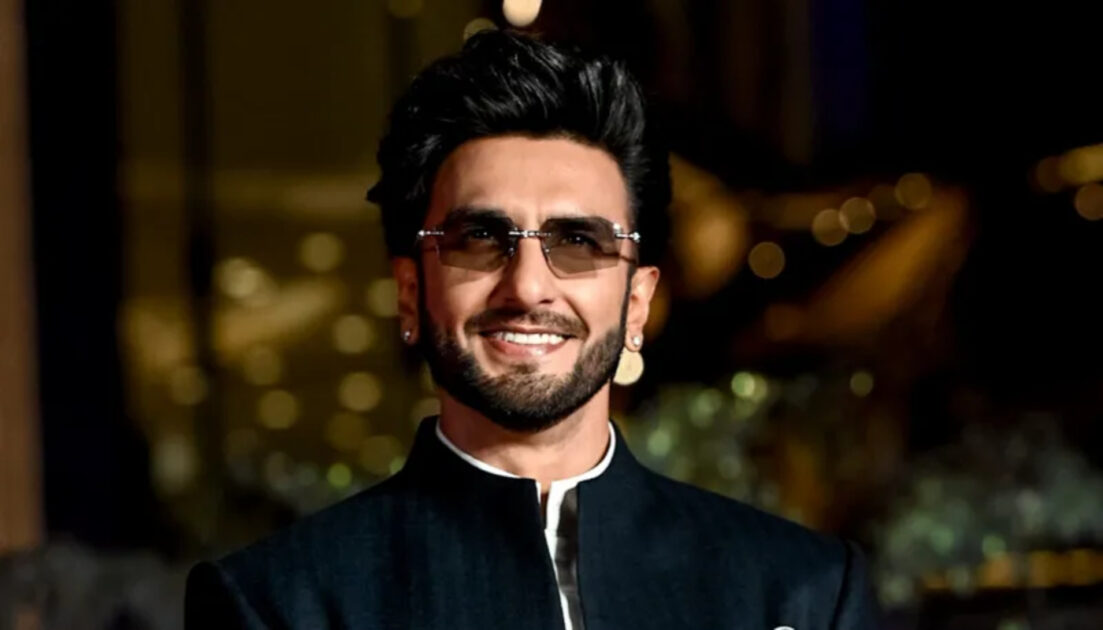
 by
by Introduction: A Story That Has Stirred the Film Industry
When news breaks in Bollywood involving a major union and a top-tier superstar, it instantly becomes more than just entertainment gossip—it becomes a reflection of the industry’s internal tensions, power structures, and evolving professional standards. Recent reports suggesting that a prominent film union in India has called for a boycott of superstar Ranveer Singh have triggered widespread debate across social media, trade circles, and fan communities.
While the details of such developments are often complex, layered, and sometimes exaggerated in public discourse, the discussion itself opens a larger window into how the Indian film industry functions behind the glamour. It raises important questions: How powerful are industry unions today? Can a superstar truly be boycotted in a star-driven economy? And what does this mean for the balance between collective labor voices and celebrity influence?
This article explores the issue in depth, not as a sensational headline, but as a cultural and industrial case study.
Understanding the Context: What Does a “Boycott Call” Mean in Bollywood?
In the Indian film ecosystem, a boycott call from a union or guild is not just symbolic—it is a strategic pressure mechanism. Film unions typically represent technicians, background workers, junior artists, and sometimes sections of production labor. Their influence is rooted in collective participation in shoots, logistics, and production continuity.
A “boycott” in this context can mean:
- Refusal to collaborate on ongoing or future projects
- Advisory warnings to production houses
- Negotiation pressure for resolution of disputes
- Temporary suspension of cooperation until demands are addressed
However, unlike political or corporate boycotts, Bollywood boycotts are rarely absolute. The industry is highly interdependent, and production schedules, contractual obligations, and financial stakes often force quick resolutions.
In the case of a top-tier star like Ranveer Singh, any reported boycott becomes even more complex due to his involvement in large-scale productions backed by major studios.
Ranveer Singh: A Star at the Center of Modern Bollywood
To understand why such a report gains traction, it is important to understand the scale of influence held by Ranveer Singh in contemporary cinema.
Ranveer Singh represents a new generation of Bollywood superstardom—one built on:
- High-energy performances
- Distinctive fashion identity
- Strong brand endorsements
- Versatile acting across genres
- Massive youth appeal
From intense roles in historical dramas to mainstream commercial entertainers, his filmography reflects both critical acclaim and box office success. This dual identity makes him a high-value figure in the industry ecosystem.
Because of this visibility, any controversy involving him automatically becomes amplified—not just as a personal issue, but as an industry-wide talking point.
The Role of Film Unions in India’s Entertainment Industry
Film unions in India have historically played a crucial role in safeguarding worker rights. Their responsibilities often include:
- Ensuring fair wages
- Regulating working hours
- Maintaining safety standards on set
- Mediating disputes between crew and production houses
- Protecting contractual obligations for technicians and workers
Unlike Western film industries where guild systems are highly formalized and segmented, India’s system is more layered and sometimes politically influenced. This creates occasional friction between production houses, stars, and labor groups.
When unions raise concerns involving high-profile actors, it is often not purely personal—it is usually tied to broader issues such as:
- Working conditions on set
- Payment delays or disputes
- Treatment of crew members
- Scheduling pressures
- Industry ethics and compliance
Thus, a “boycott call” is often a symptom of deeper structural negotiations rather than an isolated conflict.
Why Such Reports Gain Immediate Attention
There are three key reasons why news like this spreads rapidly:
1. Celebrity Amplification
Stars like Ranveer Singh are not just actors; they are cultural symbols. Any controversy linked to them becomes instantly viral.
2. Industry Power Balance
The idea of a union challenging a superstar creates a David-versus-Goliath narrative that audiences find compelling.
3. Social Media Dynamics
Modern digital platforms prioritize emotional engagement. Headlines involving conflict, disagreement, or tension tend to circulate faster than neutral news.
As a result, even partial or unverified claims can escalate into widespread discussion within hours.
The Reality Behind Boycott Culture in Film Industries
Historically, boycott movements in cinema—whether in India or globally—rarely result in long-term exclusion of major stars. Instead, they often function as negotiation tools.
In most cases, outcomes fall into one of these categories:
- A behind-the-scenes settlement
- Public clarification or apology
- Formation of revised working agreements
- Mutual de-escalation without formal resolution
In a commercially driven industry like Bollywood, financial stakes are too high for prolonged standoffs. Big-budget films involve hundreds of workers, investors, and distributors. A stalled production can cause losses running into crores per day.
Therefore, while boycott announcements generate headlines, their practical enforcement is often limited and temporary.
The Power Equation: Stars vs. Institutions
The Indian film industry operates on a unique power structure where:
- Stars drive box office performance
- Producers control financing and project development
- Unions control labor and execution
- Audiences control long-term success
This creates a delicate balance. A superstar like Ranveer Singh holds significant market influence, but unions control the operational backbone of filmmaking.
Neither side can function independently for long.
This interdependence is why most conflicts eventually move toward compromise rather than escalation.
Public Perception: When Fans Enter the Debate
Whenever a major celebrity faces controversy, fan communities become highly active. In the case of Ranveer Singh, his fan base is particularly vocal and digitally engaged.
Public reactions usually fall into three categories:
- Defensive support of the actor
- Calls for transparency from both sides
- Neutral audiences seeking factual clarity
Social media often amplifies emotional responses before verified details emerge, which can sometimes distort the narrative.
It is also common for misinformation or exaggerated interpretations to circulate during such incidents, making it essential to distinguish between confirmed reports and speculative commentary.
Industry Culture and the Pressure of Stardom
Modern Bollywood operates under intense production pressure. High-budget films are scheduled tightly, and delays can significantly impact release strategies, streaming deals, and marketing cycles.
In this environment, superstars often face:
- Long working hours
- Multi-project commitments
- Heavy promotional schedules
- Constant media scrutiny
At the same time, crews and technicians also operate under demanding conditions. This creates an environment where misunderstandings or disagreements can escalate quickly if not managed effectively.
A boycott call—real or reported—often reflects this underlying tension between efficiency and labor expectations.
The Importance of Communication and Mediation
In most professional industries, disputes are resolved through structured mediation. The film industry is no exception, although its informal structure sometimes complicates this process.
Typically, resolution pathways include:
- Union-management meetings
- Intervention by producer associations
- Internal negotiations between stakeholders
- Advisory committees or arbitration panels
In high-profile cases involving celebrities, public relations teams also play a critical role in shaping narratives and preventing misinformation from spreading.
This behind-the-scenes machinery is often invisible to audiences but essential in stabilizing the industry.
The Broader Cultural Impact of Such Headlines
Beyond the immediate industry implications, stories like this reflect broader cultural themes:
1. Celebrity Accountability
Audiences today expect public figures to be more accountable, not just for their work but also for their professional conduct.
2. Worker Rights Awareness
There is growing awareness about labor conditions in creative industries, including film production.
3. Media Sensationalism
Headlines involving conflict often overshadow nuanced realities.
4. Changing Power Structures
The traditional dominance of stars is increasingly being balanced by institutional voices and collective worker movements.
These shifts suggest that Bollywood is gradually evolving from a star-centric model to a more distributed ecosystem of influence.
Ranveer Singh’s Position in the Industry Landscape
Despite occasional controversies or debates, Ranveer Singh remains one of the most bankable and influential actors in contemporary Indian cinema. His projects consistently attract large audiences, and his brand value remains strong across endorsements and collaborations.
This makes him a central figure in any discussion about industry dynamics. Whether the current reports evolve into a resolved disagreement or fade as speculation, they highlight the level of visibility and scrutiny attached to top-tier stars.
Conclusion: More Than Just a Headline
The reported call for a boycott by a major film union against Ranveer Singh should be viewed not only as a sensational news item but as a reflection of the complex ecosystem that defines Bollywood today.
At its core, the situation represents:
- The tension between labor rights and celebrity-driven production
- The influence of unions in a star-dominated industry
- The rapid amplification of news through digital media
- The ongoing evolution of professional standards in Indian cinema
Whether resolved quietly or discussed publicly, such incidents highlight an important truth: the film industry is not just about glamour and storytelling—it is also a highly structured, high-pressure workplace where negotiation, cooperation, and conflict constantly coexist.
And in that ecosystem, even the biggest stars are part of a much larger, interconnected machine.