 by
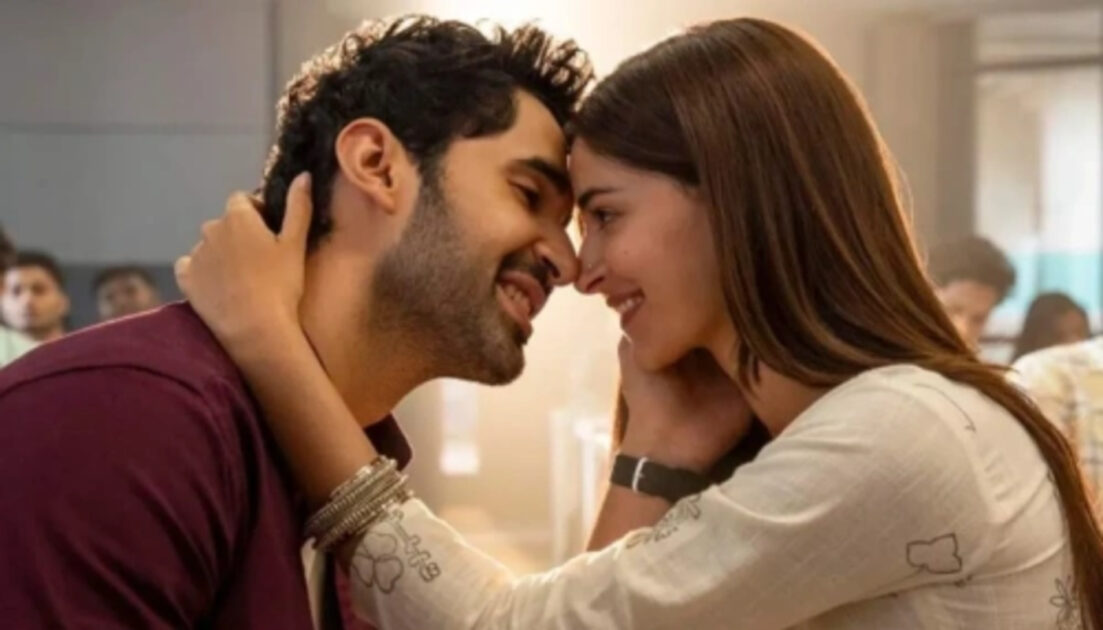
by The romantic drama Chand Mera Dil, starring Lakshya and Ananya Panday, has entered its second-week box office phase with a mix of quiet stability and visible slowdown. After generating early curiosity and drawing audiences with its youthful pairing and emotionally charged marketing, the film has now reached a cumulative total of approximately ₹26 crore in India, marking a modest but steady run for a mid-budget romantic release.
On Day 14, the film added around ₹60 lakh, signaling that while the initial momentum has softened, it is still managing to find some traction in select urban pockets. However, trade analysts note that the film is now firmly in its “final legs” phase, where weekday drops and limited audience pull are becoming increasingly evident.
Interestingly, despite its slowing pace, Chand Mera Dil has managed to cross the lifetime domestic earnings of the action thriller Kill, sparking discussions in trade circles about genre performance, audience behavior, and the evolving economics of Indian cinema.
But the bigger question remains: was Chand Mera Dil a success, a missed opportunity, or a film that performed exactly as expected?
⸻
The Film’s Premise and Pre-Release Buzz
Before its release, Chand Mera Dil was positioned as a modern romantic drama with emotional depth and youthful energy. The pairing of Lakshya and Ananya Panday was seen as a fresh experiment in on-screen chemistry.
The marketing campaign leaned heavily into:
• Soft romantic visuals
• Urban love storytelling
• Music-driven emotional appeal
• A youthful, aspirational aesthetic
The trailer suggested a love story centered not just on romance, but also emotional conflict, ambition, and personal struggle.
This positioning helped the film gain early traction, especially among younger audiences and social media users.
However, curiosity did not automatically translate into strong long-term box office momentum.
⸻
Opening Weekend: Strong Curiosity, Moderate Conversion
The opening weekend reflected a familiar pattern in urban romantic films: strong curiosity-driven turnout followed by stabilization rather than explosive growth.
Initial numbers showed audiences were willing to give the film a chance due to:
• Fresh pairing appeal
• Romantic genre demand
• Social media buzz
• Pre-release music popularity
However, one key issue emerged early: curiosity did not translate into strong repeat viewing.
By the end of the first weekend, it was clear the film had opened decently but was not trending toward blockbuster territory.
⸻
Week 1: Stabilization Without Breakout Growth
Week 1 settled into a pattern of moderate earnings. The film maintained presence in multiplexes but did not show significant upward momentum.
Key observations included:
• Urban audiences dominated footfalls
• Limited penetration in smaller cities
• Mixed audience feedback
• Music supporting visibility but not driving strong repeat audiences
Romantic dramas depend heavily on word-of-mouth, and this film generated only moderate emotional resonance.
Still, crossing ₹20 crore in the early run positioned it as a mid-level performer rather than a weak outing.
⸻
Week 2: The Slow Descent Into Final Legs
By Week 2, the film clearly entered a declining phase.
On Day 14, it collected approximately ₹60 lakh, bringing the total to around ₹26 crore in India.
This phase typically indicates:
• Reduced screenings in multiplex chains
• Shift in audience attention to newer releases
• Dependence on niche urban viewers
• Declining promotional impact
Trade experts describe this as the “maintenance phase,” where films survive on residual interest rather than active buzz.
For Chand Mera Dil, this phase appears short, suggesting a relatively quick exit from theaters.
⸻
Crossing Kill: What the Comparison Really Means
One of the most discussed trade points is the film surpassing the domestic earnings of Kill.
While comparisons across genres are imperfect, this milestone highlights several industry realities:
1. Genre Accessibility
Romantic dramas often reach broader emotional audiences compared to niche action thrillers.
2. Star Visibility
The lead pair provided consistent baseline audience interest.
3. Urban Romance Still Has Value
Despite changing trends, urban romantic films continue to deliver mid-range box office numbers.
However, this comparison should not be mistaken for a breakout success, as both films operate in different expectations and market categories.
⸻
Performance of the Lead Actors: A Mixed Outcome
Lakshya: Still Evolving as a Star
Lakshya continues to build his identity in the industry. While he maintains strong screen presence and physical charisma, romantic dramas may not yet be his strongest zone.
Strengths:
• Screen intensity
• Youth appeal
• Physical performance
Limitations:
• Emotional softness in romantic arcs
• Chemistry-driven storytelling demands
⸻
Ananya Panday: Consistent Presence, Limited Breakthrough
Ananya Panday’s performance reinforces her position as a steady mainstream Bollywood presence.
Strengths:
• Improved emotional delivery
• Strong romantic screen presence
• Youth audience connection
However, the film does not offer a career-defining moment or dramatic breakthrough.
⸻
Music and Marketing Impact
The film’s music contributed significantly to its early visibility. Romantic tracks gained traction on social media platforms and helped sustain pre-release hype.
However:
• Viral music did not translate into long-term box office strength
• Marketing buzz faded after release
• Audience engagement declined post-opening week
This reflects a broader industry pattern where pre-release hype outweighs post-release sustainability.
⸻
Why the Film Slowed Down
Several factors contributed to the slowdown:
1. Content Saturation
Audiences now have access to global romantic content through OTT platforms.
2. Weak Word-of-Mouth
The film did not generate strong emotional recommendation cycles.
3. Streaming Competition
Digital platforms continue to compete with theatrical romantic releases.
4. Predictable Narrative
The storyline, while emotional, lacked strong novelty.
⸻
Final Verdict: A Moderate Performer
At ₹26 crore, Chand Mera Dil stands as a moderate box office performer.
It:
• Opened with curiosity
• Stabilized briefly
• Declined steadily
• Found a limited but consistent audience
It is neither a hit nor a failure, but a film that performed within expected mid-range boundaries.
⸻
What This Means for Bollywood Romance Films
The film reflects a larger industry shift:
• Romance still works theatrically
• But requires stronger emotional hooks
• Star pairing alone is no longer sufficient
• Music must convert into lasting engagement
Bollywood romance is evolving rather than disappearing.
One of the most notable aspects of Chand Mera Dil’s box office journey is how it reflects the changing expectations of today’s theatrical audience. Viewers are no longer satisfied with conventional romance tropes unless they are backed by strong storytelling innovation or emotionally layered writing. While the film offered visually appealing moments and a relatable urban love setup, it struggled to deliver a narrative surprise that could sustain long-term audience engagement. This gap between expectation and execution is often what determines whether a romantic drama becomes a cultural moment or remains a short-lived theatrical run with moderate returns.
Another factor that shaped the film’s performance is the growing dominance of OTT platforms in shaping viewer taste. Modern audiences are now exposed to global romantic storytelling styles, from Korean dramas to European indie romances, which often emphasize emotional depth and unconventional narratives. Compared to that benchmark, traditional Bollywood romantic structures can sometimes feel predictable. Chand Mera Dil attempted to balance contemporary aesthetics with familiar storytelling, but the final output leaned more toward comfort than novelty. This made it enjoyable for a one-time watch but limited its repeat-value in cinemas.
The chemistry between the lead pair also played a crucial role in audience reception. While both Lakshya and Ananya Panday brought individual strengths to their roles, the film relied heavily on emotional connection to drive its core appeal. In romantic dramas, chemistry is not just about screen presence but about creating a believable emotional rhythm between characters. At several points, the film succeeded in capturing soft romantic intimacy, but it did not consistently elevate those moments into unforgettable cinematic highs. As a result, audience attachment remained moderate rather than deeply invested over time.
From a trade perspective, Chand Mera Dil highlights the increasing importance of word-of-mouth velocity in determining a film’s trajectory after the first week. Earlier, strong openings could sustain a film for weeks, but now the second-week performance often decides its final fate. In this case, while the film managed a respectable opening, its word-of-mouth did not generate the aggressive upward trend needed for box office expansion. Instead, it settled into a predictable decline pattern, which is common for films that perform adequately but fail to spark strong emotional advocacy among viewers.
Ultimately, the film’s journey underscores a broader truth about the current state of Bollywood romance: success is no longer defined by genre alone, but by emotional memorability. Audiences want romance that feels fresh, layered, and culturally resonant rather than formula-driven. Chand Mera Dil delivered a polished and visually appealing experience, but it did not fully break away from established patterns. As it exits its theatrical run, it stands as a reminder that in today’s cinema landscape, even well-packaged love stories must fight harder to leave a lasting imprint.
⸻
Conclusion: A Gentle Fade, Not a Breakthrough
Chand Mera Dil will likely be remembered as a steady mid-tier romantic film rather than a blockbuster success.
For its lead actors, it adds visibility and experience but not a defining career milestone.
Its journey reflects the modern reality of Indian cinema—where sustained emotional connection matters more than initial hype, and where audience attention is more fragmented than ever before.