 by
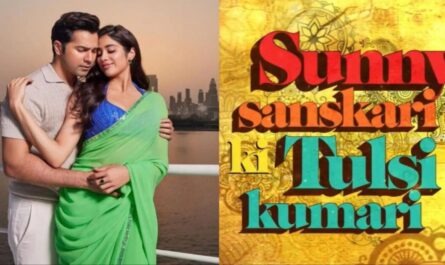
by The journey of a film rarely ends with its theatrical release. In today’s evolving entertainment landscape, the afterlife of a movie—through streaming platforms and television premieres—often determines how deeply it embeds itself into popular culture. The upcoming World Television Premiere of Sunny Sanskari Ki Tulsi Kumari on Star Gold on February 22 at 1 PM represents exactly this moment of expansion, where a film transitions from a cinematic experience to a shared household event.
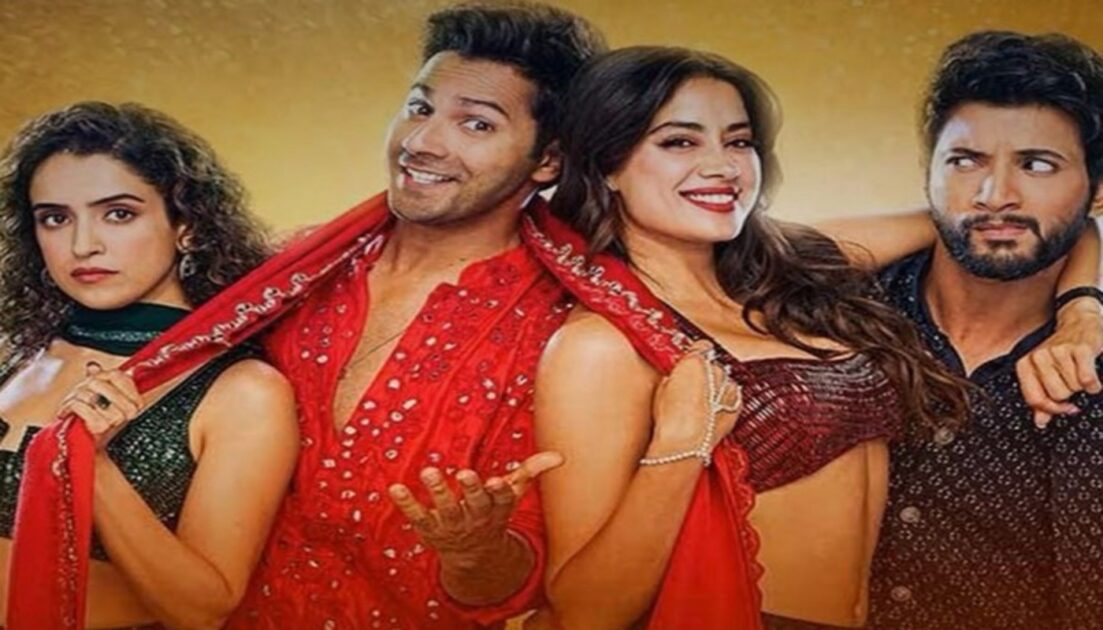
Directed by Shashank Khaitan and backed by Dharma Productions along with Mentor Disciple Films, the film brings together a cast that blends commercial appeal with strong performances: Varun Dhawan, Janhvi Kapoor, Sanya Malhotra, and Rohit Saraf. With its mix of romance, humor, and emotional drama, the film positions itself as a quintessential family entertainer—a category that continues to hold significant cultural relevance in Indian households.
The Cultural Importance of a World Television Premiere
For decades, television premieres have held a special place in the Indian entertainment ecosystem. Long before OTT platforms became dominant, families would gather around their television sets for Sunday movie screenings. Channels like Star Gold built their identity around this ritual, curating films that appeal across generations.
The World TV Premiere of Sunny Sanskari Ki Tulsi Kumari taps into this nostalgia while also adapting to modern viewing habits. Unlike theatrical releases, which require audiences to step out, television premieres democratize access. They bring cinema directly into living rooms, cutting across geographical and economic barriers.
This accessibility is particularly significant in a country as diverse as India, where not every audience member has equal access to multiplexes. A film’s television debut often introduces it to viewers who may have missed its theatrical run, allowing it to find a second, often larger, audience.
Shashank Khaitan’s Signature Storytelling
Director Shashank Khaitan has carved a niche for himself within the romantic comedy genre. Known for his work on films like Humpty Sharma Ki Dulhania and Badrinath Ki Dulhania, Khaitan has consistently explored modern relationships within a framework rooted in Indian traditions.
Sunny Sanskari Ki Tulsi Kumari continues this thematic exploration. Khaitan’s storytelling often balances emotional depth with lighthearted humor, creating narratives that resonate with both urban and semi-urban audiences. His characters are rarely perfect; instead, they are flawed, relatable individuals navigating love, societal expectations, and personal growth.
In this film, Khaitan appears to expand his canvas further by incorporating elements such as destination weddings, fake relationships, and emotional reckonings—all set against a vibrant cultural backdrop. This blend of spectacle and sentiment is a hallmark of contemporary Bollywood storytelling, and Khaitan seems to embrace it fully.
A Star-Studded Ensemble and Their Dynamics
Varun Dhawan as Sunny
Varun Dhawan leads the narrative as Sunny, a character grappling with heartbreak and self-discovery. Known for his energetic screen presence and comic timing, Dhawan brings a sense of spontaneity to his roles. His portrayal of Sunny—a man caught between emotional vulnerability and playful resilience—anchors the film.
Dhawan’s statement about the film highlights its intention: to deliver heart, humour, and vibrant energy. This aligns with his filmography, which often leans toward crowd-pleasing entertainers that blend emotion with entertainment.
Janhvi Kapoor as Tulsi
Janhvi Kapoor plays Tulsi, a character whose motivations intersect with Sunny’s in unexpected ways. Kapoor’s career trajectory has been marked by a conscious effort to diversify her roles, and Tulsi appears to be another step in that direction.
Her emphasis on the film’s relatable characters and memorable moments suggests a narrative grounded in emotional authenticity, even amidst its comedic and dramatic elements.
Sanya Malhotra as Ananya
Sanya Malhotra brings nuance to the role of Ananya, Sunny’s former girlfriend who chooses stability over love. Malhotra is known for her ability to portray layered characters, and her involvement adds depth to what could otherwise be a conventional love triangle.
Her perspective on the film as a blend of romance, comedy, and family values underscores its multifaceted appeal.
Rohit Saraf as Vikram
Rohit Saraf plays Vikram, the billionaire fiancé whose presence complicates the narrative. Saraf’s growing popularity among younger audiences adds a contemporary edge to the film.
His description of the film as capturing the awkward and funny side of relationships hints at a narrative that doesn’t shy away from exploring the complexities of modern romance.
The Narrative: Love, Loss, and Unexpected Connections
At its core, Sunny Sanskari Ki Tulsi Kumari is a story about love in its many forms—romantic, unrequited, and rediscovered. The plot begins with Sunny’s heartbreak when Ananya chooses to marry Vikram, prioritizing stability over emotional connection.
This decision reflects a broader societal reality, where practical considerations often influence romantic choices. The film doesn’t appear to vilify Ananya’s decision; instead, it presents it as a legitimate, albeit painful, choice.
Sunny’s journey takes a turn when he meets Tulsi, who harbors her own grievances against Vikram. What begins as a plan rooted in revenge evolves into something more complex. The trope of fake dating—a popular narrative device in romantic comedies—is employed here not just for humor but as a catalyst for emotional growth.
The destination wedding in Udaipur serves as both a physical and symbolic setting. Known for its palaces, lakes, and romantic ambiance, Udaipur provides a picturesque backdrop that enhances the film’s emotional and visual appeal.
Destination Weddings and Cinematic Spectacle
In recent years, Bollywood has increasingly embraced destination weddings as a narrative and visual motif. Films set in locations like Udaipur capitalize on the city’s aesthetic appeal while also tapping into the aspirational fantasies of audiences.
The wedding setting in Sunny Sanskari Ki Tulsi Kumari is more than just a backdrop; it becomes a space where relationships are tested, secrets are revealed, and characters confront their true feelings. The grandeur of the setting contrasts with the emotional chaos unfolding among the characters, creating a dynamic interplay between spectacle and storytelling.
Themes That Resonate with Modern Audiences
1. Love vs Stability
One of the film’s central conflicts revolves around the tension between emotional fulfillment and practical security. Ananya’s choice to marry Vikram reflects a pragmatic approach to relationships, one that resonates with many viewers navigating similar dilemmas.
2. The Complexity of Relationships
The film explores the messy, often unpredictable nature of human relationships. Through misunderstandings, fake alliances, and emotional confrontations, it captures the reality that love is rarely straightforward.
3. Self-Discovery
Both Sunny and Tulsi undergo journeys of self-discovery. Their initial motivations—rooted in revenge or emotional hurt—gradually give way to introspection and personal growth.
4. Family and Social Expectations
As a family entertainer, the film also engages with themes of societal expectations and familial pressures. These elements add depth to the narrative, making it relatable across generations.
The Role of Dharma Productions
Dharma Productions has long been associated with glossy, emotionally engaging cinema. From iconic romantic dramas to contemporary entertainers, the production house has consistently shaped Bollywood’s narrative landscape.
With Sunny Sanskari Ki Tulsi Kumari, Dharma continues its tradition of blending modern storytelling with cultural rootedness. The spokesperson’s emphasis on modern yet rooted stories reflects the production house’s ongoing commitment to evolving with audience preferences while maintaining its core identity.
Star Gold and the Legacy of Family Entertainment
Star Gold has positioned itself as a destination for blockbuster films and family-friendly content. Its Sunday premieres, in particular, have become a cultural ritual for many households.
By premiering Sunny Sanskari Ki Tulsi Kumari, Star Gold reinforces its brand identity as a curator of mass-appeal cinema. The channel’s spokesperson highlights the idea of spending a Sunday with love and laughter, emphasizing the communal aspect of television viewing.
Television vs OTT: A Changing Landscape
While OTT platforms have revolutionized content consumption, television continues to hold significant relevance, especially in regions where digital access may be limited. The World TV Premiere of a film represents a unique convergence of traditional and modern media.
Television offers a sense of shared experience that OTT platforms often lack. Watching a film at a scheduled time, with millions of others tuning in simultaneously, creates a collective cultural moment.
The Power of Star Statements
The promotional statements from the cast play a crucial role in shaping audience expectations. Varun Dhawan emphasizes the film’s emotional and entertainment value, while Janhvi Kapoor highlights its relatability.
Sanya Malhotra and Rohit Saraf focus on the film’s thematic richness and character dynamics. Together, these statements create a cohesive narrative that positions the film as both entertaining and meaningful.
Why This Premiere Matters
The World Television Premiere of Sunny Sanskari Ki Tulsi Kumari is significant for several reasons:
- Expanded Reach – It introduces the film to audiences who may not have seen it in theaters.
- Cultural Impact – It reinforces the tradition of family movie viewing.
- Brand Synergy – It strengthens the collaboration between production houses and television networks.
- Audience Engagement – It creates a shared viewing experience that transcends individual consumption.
Audience Expectations and Reception
Family entertainers occupy a unique space in Indian cinema. They are expected to balance humor, emotion, and drama while remaining accessible to viewers of all ages. Sunny Sanskari Ki Tulsi Kumari appears to align with these expectations, offering a narrative that combines lighthearted moments with emotional depth.
The film’s success on television will likely depend on its ability to resonate with diverse audiences. Its themes of love, heartbreak, and self-discovery are universal, increasing its chances of widespread appeal.
Conclusion: A Story Ready for Every Living Room
As Sunny Sanskari Ki Tulsi Kumari prepares for its World Television Premiere on Star Gold, it marks the beginning of a new chapter in its journey. From the big screen to the small screen, the film transitions into a format that is more intimate, more accessible, and arguably more impactful.
With its engaging storyline, charismatic performances by Varun Dhawan, Janhvi Kapoor, Sanya Malhotra, and Rohit Saraf, and the direction of Shashank Khaitan, the film embodies the essence of contemporary Bollywood entertainment.
More importantly, it reaffirms the enduring appeal of stories that celebrate love, laughter, and human connection. In an age of fragmented viewing habits, the simple act of families coming together to watch a film remains a powerful cultural experience.
This Sunday at 1 PM, as households tune in to Star Gold, Sunny Sanskari Ki Tulsi Kumari will not just be a movie—it will be an event, a shared moment of joy, and a reminder of the timeless magic of cinema.