 by
by Introduction: When Visibility Turns Into Opportunity
The journey from reality television to mainstream entertainment has always carried a certain cultural intrigue. It represents more than just career mobility—it reflects how audiences participate in shaping stardom. In recent years, reality TV has evolved into a powerful platform where personalities are not just discovered but actively constructed in collaboration with viewers. Against this backdrop, Tanya Mittal’s transition from Bigg Boss 19 contestant to lead actor in a Balaji Telefilms project marks a moment worth examining beyond its surface excitement.
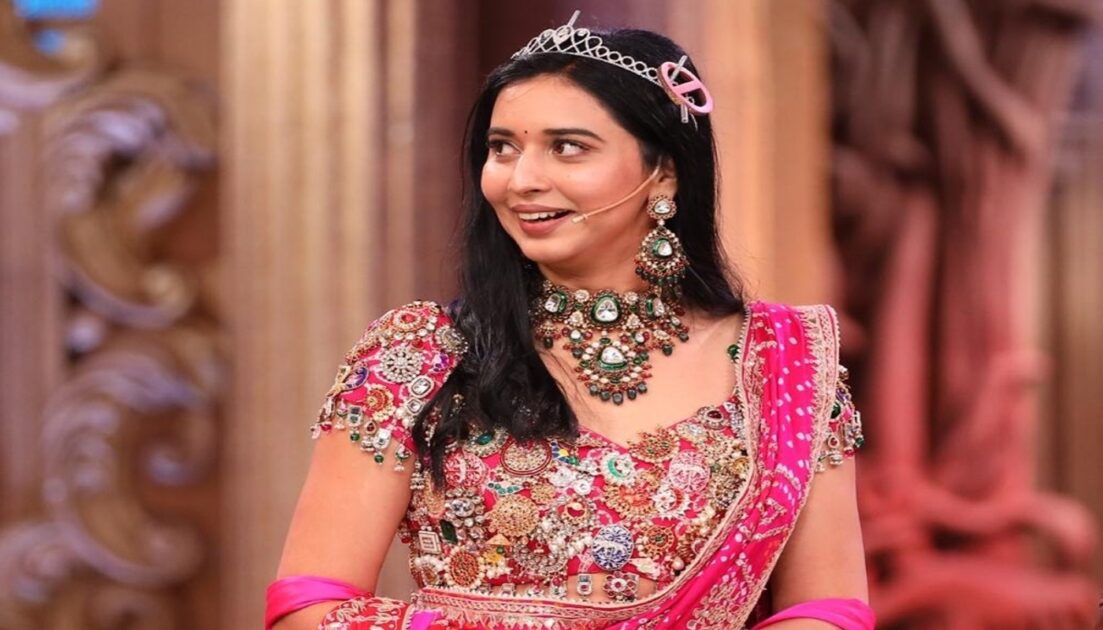
Her recent confirmation that shooting has officially begun does more than end speculation—it signals the beginning of a new phase in her public identity. Shared through an Instagram reel that quickly gained traction, Tanya’s announcement blended glamour with gratitude, revealing both the performative and deeply personal aspects of her journey.
But what makes this moment culturally significant is not just the career leap. It is how this transition reflects broader patterns in Indian entertainment, digital fan culture, and the evolving relationship between audiences and celebrity narratives.
The Power of Reality Television in Shaping Modern Stardom
Reality television, particularly formats like Bigg Boss, has become one of the most influential gateways into mainstream entertainment. Unlike traditional auditions or industry connections, these shows offer something different: prolonged visibility.
Participants are not introduced through scripted roles but through their personalities, reactions, and interpersonal dynamics. Over weeks or months, audiences form opinions, attachments, and even emotional investments in these individuals. This creates a unique kind of celebrity—one that feels accessible and, in many ways, co-created by the public.
For Tanya Mittal, Bigg Boss 19 served as exactly this kind of launchpad. Her presence on the show allowed viewers to engage with her beyond curated performances, building a fanbase that would later become instrumental in sustaining her transition into scripted television.
This shift from reality to fiction is not new, but it continues to gain cultural relevance as audiences increasingly value authenticity alongside talent.
Ekta Kapoor’s Strategic Eye for Emerging Talent
One of the defining aspects of Tanya’s journey is the role played by Ekta Kapoor and Balaji Telefilms. Known for her ability to identify and shape talent, Ekta Kapoor has long been a central figure in Indian television.
Her decision to offer Tanya a lead role during Bigg Boss 19 was not just a spontaneous gesture—it was a calculated recognition of audience engagement. In many ways, this reflects a broader industry trend where casting decisions are influenced by real-time public response rather than traditional metrics alone.
Balaji Telefilms, as a production house, has consistently adapted to changing audience behaviors. By integrating reality TV visibility into their casting strategy, they bridge two forms of storytelling: unscripted personal narratives and scripted fictional worlds.
Tanya’s casting, therefore, becomes part of a larger ecosystem where audience loyalty translates into viewership potential.
The Instagram Reel: A Modern-Day Press Release
Tanya Mittal’s announcement did not come through a formal media statement or press conference. Instead, it arrived via an Instagram reel—a format that has increasingly replaced traditional publicity channels.
In the reel, she appears in a vanity van, fully prepared for a shoot. The visual itself sparked curiosity, but it was her caption that provided confirmation. This layered communication—where visuals hint and captions clarify—reflects the evolving language of celebrity announcements.
Her message emphasized gratitude, community, and shared achievement. By addressing her fans as “Tanya Ka Parivaar,” she reinforced a sense of collective identity. This is a strategic yet emotionally resonant choice, as it transforms individual success into a shared milestone.
In today’s digital culture, such framing is essential. It not only strengthens fan loyalty but also ensures that announcements are experienced as participatory moments rather than distant updates.
Fan Communities as Cultural Stakeholders
One of the most striking elements of Tanya’s announcement is her acknowledgment of her audience. This is not merely a gesture of politeness—it reflects a deeper shift in how celebrity culture operates.
Fans are no longer passive consumers; they are active participants. They vote, trend hashtags, create content, and sustain visibility long after a show ends. In this sense, they function as cultural stakeholders.
By dedicating her milestone to her “family,” Tanya recognizes this dynamic. It validates the role her supporters played in her journey and reinforces a reciprocal relationship.
This kind of engagement is particularly significant for reality TV alumni, whose careers often depend on maintaining audience connection beyond the show’s lifespan.
The Emotional Narrative: Gratitude as Branding
Tanya’s caption is rich with emotional language—gratitude, humility, and determination. While these sentiments are genuine, they also serve a branding function.
In an industry where public perception is crucial, emotional narratives help shape identity. Gratitude, in particular, positions her as grounded and relatable, qualities that resonate strongly with audiences.
Her acknowledgment of Ekta Kapoor further adds a layer of respect and professionalism, aligning her with established industry hierarchies while maintaining her individuality.
This balance between humility and ambition is key to sustaining long-term relevance in a competitive entertainment landscape.
From Contestant to Character: The Shift in Performance
Transitioning from reality television to scripted acting involves a significant shift in performance style. On Bigg Boss, participants are expected to be themselves—or at least a version of themselves that remains consistent under observation.
In contrast, scripted television demands transformation. Actors must inhabit characters, adapt to narratives, and deliver performances that align with a director’s vision.
For Tanya Mittal, this transition represents both an opportunity and a challenge. It requires redefining her public identity—not as a contestant reacting to situations, but as an actor creating them.
This shift will likely influence how audiences perceive her, moving from familiarity to interpretation.
The Role of Glamour and Visual Identity
The setting of Tanya’s announcement—a vanity van, full glam—was not incidental. It reflects the importance of visual identity in shaping public perception.
Glamour, in this context, functions as both aspiration and confirmation. It signals that she has entered a new phase of her career, one that aligns with mainstream entertainment aesthetics.
However, it also raises interesting questions about authenticity. Reality TV often builds its appeal on perceived realness, while scripted television relies on constructed visuals.
Navigating this balance will be crucial for Tanya as she moves forward.
Industry Context: The Evolving Television Landscape
Indian television is currently undergoing a transformation. With the rise of streaming platforms and changing viewer preferences, traditional formats are adapting to remain relevant.
Balaji Telefilms, known for its long-running serials, has been exploring new narratives and casting strategies to align with contemporary audiences.
Tanya’s inclusion in this ecosystem reflects an attempt to merge established storytelling frameworks with fresh, audience-driven talent.
This hybrid approach may define the next phase of television content, where familiarity and novelty coexist.
Audience Expectations and the Pressure to Deliver
With visibility comes expectation. Tanya Mittal’s journey from Bigg Boss 19 to a lead role has already generated anticipation among fans and industry observers.
This creates a unique kind of pressure—one that is both external and internal. Audiences expect her to justify the opportunity, while she must navigate the demands of a new professional environment.
However, this pressure can also be a driving force. It encourages growth, adaptation, and refinement of craft.
The key lies in balancing expectation with authenticity, ensuring that performance does not become overshadowed by perception.
Social Media as a Career Extension
Tanya’s announcement highlights the role of social media as an extension of professional identity. Platforms like Instagram are no longer just promotional tools—they are integral to how careers are built and sustained.
By sharing her journey in real time, Tanya creates a narrative that audiences can follow beyond the screen. This continuity strengthens engagement and keeps her relevant between episodes or projects.
It also allows for a level of transparency that traditional media cannot offer, making her journey feel more immediate and personal.
Representation and Aspirational Narratives
Tanya Mittal’s story also contributes to a broader narrative of aspiration. Reality TV often presents itself as a space where ordinary individuals can achieve extraordinary success.
Her transition into a lead role reinforces this idea, making her journey relatable to viewers who see similar possibilities for themselves.
However, it is important to recognize that such narratives are shaped by multiple factors, including opportunity, visibility, and industry support.
By examining these layers, we can better understand the complexities behind seemingly straightforward success stories.
The Beginning of a Long-Term Journey
Tanya’s own words—“just getting started”—capture the essence of this moment. While the announcement marks a significant milestone, it is ultimately the beginning of a longer journey.
Sustaining a career in the entertainment industry requires adaptability, resilience, and continuous growth. Each project becomes a stepping stone, shaping both skill and reputation.
For Tanya, this first show with Balaji Telefilms will likely set the tone for future opportunities.
Conclusion: A Story Still Unfolding
Tanya Mittal’s announcement is more than a career update—it is a reflection of how modern stardom is constructed. It highlights the interplay between reality television, digital culture, and traditional media, showing how each influences the other.
Her journey underscores the importance of audience connection, strategic opportunities, and personal narrative in shaping success.
As filming begins, the focus will gradually shift from anticipation to performance. How she navigates this transition will determine not just the success of the show, but the trajectory of her career.
For now, however, the moment stands as a testament to possibility—a reminder that in today’s entertainment landscape, visibility can evolve into opportunity, and opportunity, when embraced fully, can become something far more enduring.