 by
by Prime Video’s newest Telugu crime drama Cheekatilo has rapidly become one of the most talked‑about films on OTT this year. Starring Sobhita Dhulipala and Viswadev Rachakonda in prominent roles, the film premiered on January 23, 2026 exclusively on Prime Video, and within a short time, it secured not just audience attention but robust celebrity praise across the Indian film fraternity. This blend of critical curiosity, buzzworthy endorsements from industry heavyweights like Rana Daggubati and Sudheer Babu, and a narrative that explores the underbelly of crime in Hyderabad, positions Cheekatilo as not just another thriller — but a culturally resonant story that reflects modern India’s complicated relationship with crime, media, and justice.
In this article, we deeply explore what makes Cheekatilo worthy of attention, breaking down its narrative, performances, industry reactions, and what the film says about storytelling in Indian OTT drama. Whether you’re a fan of crime thrillers or simply curious about the film everyone’s talking about, read on for an in‑depth analysis and reaction roundup.
1. Prime Video’s New Telugu Contender: What Is Cheekatilo All About?
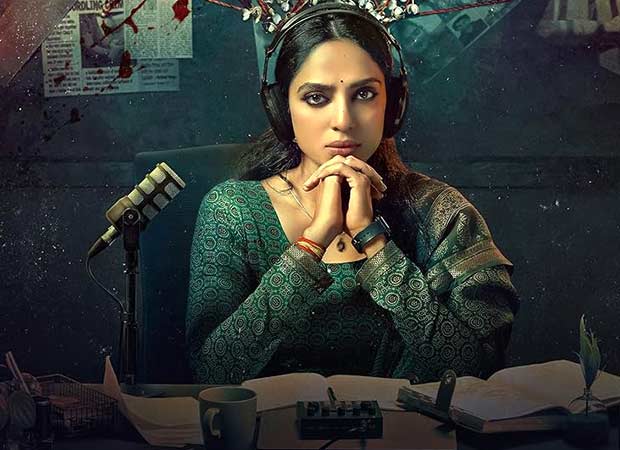
At its core, Cheekatilo is a crime thriller set against the darker corners of Hyderabad, anchored by a gripping premise and a layered protagonist. The film tells the story of Sandhya, an intelligent and determined criminology graduate who also hosts a true‑crime podcast. When a shocking murder surfaces that appears connected to a series of buried crimes, Sandhya is pulled into a high‑stakes pursuit to expose the perpetrator and untangle the web of violence hidden beneath the city’s façade.
Rather than relying on traditional police procedural tropes, Cheekatilo distinguishes itself by placing a female podcaster at the center of the investigation, giving the narrative a fresh lens on crime storytelling in Indian cinema. This choice not only allows audiences to see the tension of investigative work through a civilian’s perspective, but also enables the film to interrogate issues around media, gender, and justice.
Why a True‑Crime Podcaster Matters
Unlike classical whodunits where detectives lead the charge, the choice of a podcast host as the lead investigator adds layers of modern relevance. Podcasts and digital media have become powerful tools in real life for discussing taboo subjects, uncovering overlooked stories, and building communities of truth‑seekers. By using Sandhya’s podcast as a narrative device, Cheekatilo inherently taps into current trends in storytelling — where the audience is no longer just watching a narrative unfold, but is invited to be part of the investigation through Sandhya’s broadcasts.
This thematic choice gives the film a meta‑textual dimension: Sandhya isn’t just solving a murder, she’s amplifying voices and exposing uncomfortable truths about society — particularly around violence against women — that many would rather keep hidden.
2. Stellar Casting: Performance Breakdown and Character Dynamics
Sobhita Dhulipala as Sandhya: A Natural‑Born Investigator
Sobhita Dhulipala’s portrayal of Sandhya is central to the film’s appeal. Known for her versatile career across Hindi and South Indian cinema, Sobhita brings a quiet intensity and grounded resolve to the role — traits that critics and fans alike have highlighted. She captures Sandhya’s intelligence and vulnerability, giving life to a character who is driven not by heroics, but by a pursuit of truth and clarity.
In interviews leading up to the release, Sobhita shared that she saw Sandhya not as a fearless crusader, but as a natural leader defined by her composure in uncertainty. Sandhya’s effectiveness does not come from bravado, but from her calm ability to listen, connect dots, and stand firm in the face of resistance — qualities that make her a compelling protagonist.
Viswadev Rachakonda: The Supportive Anchor
Viswadev Rachakonda steps into the role of Amar, Sandhya’s close confidant. While critics have noted that his character is under‑developed compared to the central lead, his presence adds emotional texture and serves as an anchor for Sandhya’s personal journey.
Supporting Ensemble: From Jhansi to Aamani
The film also includes powerful character actors like Chaitanya Visalakshmi, Esha Chawla, Jhansi, Aamani, and Vadlamani Srinivas in roles that diversify the story’s emotional landscape. Their participation brings seasoned depth to Cheekatilo, even if some roles are more fleeting than others.
While some reviewers pointed out that supporting roles could have been expanded further, the cast overall delivers strong performances that affirm the film’s emotional stakes and narrative ambitions.
3. Brow‑Raising Buzz: Industry Reactions and Celebrity Approvals
One of the most fascinating dimensions of Cheekatilo’s release has been the genuine buzz from industry heavyweights. Several well‑known figures in Indian cinema took to social media to share their support — not just as casual endorsements, but as reflections of meaningful engagement with the film.
Here’s a snapshot of the star‑powered praise:
- Rana Daggubati, actor and producer, shared the poster and encouraged viewers to stream the thriller, helping elevate its visibility.
- Sudheer Babu extended his “big cheers” to the team, expressing support for their storytelling efforts.
- Sundeep Kishan added to the growing buzz, explicitly urging audiences to watch it and commending the effort behind the film.
- Filmmaker Sujata simply tweeted, “Watch Now! #Cheekatilo,” demonstrating faith in the film’s engaging quality.
- Actor Abhinav Gomatam went a step further, calling it a “must watch” — adding weight to the film’s appeal among peers.
This chorus of praise from notable industry figures — especially stars known for their discerning taste — has undoubtedly contributed to Cheekatilo’s visibility and has sparked wider conversations before and after the film’s release.
4. What Critics and Audiences Are Saying: A Balanced Perspective
Despite its popularity among celebrities and viewers, Cheekatilo has elicited mixed reactions from critics and audiences. Let’s unpack both sides of the response.
Positive Observations
- Many audiences have praised the film’s attempt to present a female‑led crime narrative that doesn’t rely on macho detective stereotypes.
- Several viewers found Sobhita Dhulipala’s performance magnetic and commanding, highlighting her ability to carry the film’s emotional and narrative weight.
- Critics from certain platforms noted that the film successfully keeps viewers engaged for most of its runtime, especially in its later sections.
These positive reactions affirm that Cheekatilo has struck a chord with parts of its audience, especially those who appreciate character‑driven storytelling and nuanced lead performances.
Critiques and Gaps
However, not all reviews were glowing:
- Some critics noted that the execution feels predictable and inconsistent with traditional thriller tension — resulting in less impact than the premise promised.
- A few reviews pointed out that the writing lacks the depth and psychological layering expected in top‑tier crime dramas, often falling into narrative shortcuts.
- Audience discussions on social platforms highlighted moments where the storytelling felt disjointed or where plot logic didn’t fully hold up under scrutiny.
Even so, these critiques don’t necessarily diminish the film’s overall influence; rather, they illuminate how Cheekatilo challenges genre expectations and invites viewers to think critically about its structure and message.
5. The Broader Significance: Cheekatilo and the Evolution of Indian OTT
What makes Cheekatilo particularly noteworthy is not just its story but what it represents in the larger landscape of Indian OTT content.
A Shift Toward Socially Conscious Thrillers
Indian streaming platforms have increasingly embraced stories that combine entertainment with social commentary. By weaving themes like patriarchal violence, the role of media in crime exposure, and the psychological landscapes of survivors, Cheekatilo aligns with this shift toward content that entertains while reflecting societal truths.
Furthermore, the film’s use of podcasting within its narrative signals how storytelling is evolving — bridging traditional cinema with modern digital formats that audiences actively engage with outside the film.
Female Protagonists in Crime Genres
Historically, the crime thriller genre in Indian cinema has often been dominated by male perspectives — police officers, private detectives, or hardened criminals. Cheekatilo challenges that norm by positioning a female investigator whose weapon is not violence or brute strength, but intellect and resolve. This is not just refreshing; it’s transformative.
By doing so, Cheekatilo joins other boundary‑breaking works in Indian cinema that center women as agents of narrative power, challenging gendered storytelling norms and expanding the possibilities for protagonists in mainstream thrillers.
6. Final Thoughts: Why Cheekatilo Is Worth Watching
Whether you’re drawn in by the star endorsements, intrigued by the premise, or curious to see Telugu cinema take a bold step in crime storytelling, Cheekatilo offers multiple reasons to press play:
- A compelling lead performance by Sobhita Dhulipala that anchors the film.
- Celebrity support that validates the film’s reach and artistic ambition.
- A modern, media‑related narrative that reflects contemporary storytelling trends and digital engagement.
- Themes that extend beyond thrills into societal reflections on justice, media, and gender dynamics.
At its best, Cheekatilo does not just entertain — it sparks conversations. Even where it falters, it opens doors to broader discussions about genre expectations, representation, and narrative risk‑taking. And perhaps most importantly, it signals how Indian OTT platforms like Prime Video continue to evolve content that reflects diverse stories, contemporary voices, and daring creative perspectives