 by
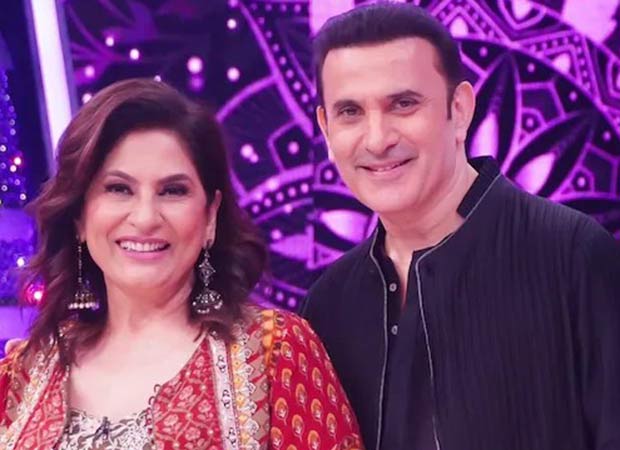
by In a candid and deeply reflective revelation, veteran Indian actress and television personality Archana Puran Singh has opened up about a chapter of her life that was long kept away from the public eye — her secret marriage to actor Parmeet Sethi. Despite tying the knot in 1992, the couple chose to keep their union under wraps for nearly four years before making it public. Archana’s recent disclosures have sent shockwaves through the entertainment world, sparking renewed discussion about gender bias, industry pressures, personal challenges, and evolving norms in Bollywood.
This extensive article explores the why behind Archana’s decision, the sociocultural and professional context of the time, the couple’s personal journey, and the broader implications for women in the Indian entertainment industry.
A Secret Wedding: The Hidden Years (1992–1996)
Archana Puran Singh and Parmeet Sethi — both respected actors in the Hindi film world — chose to keep their marriage secret for four years after their wedding in 1992. The decision was not driven by shame or scandal but by calculated caution given the industry’s rigid mindset during that era.
Archana explained that the prevailing belief in Bollywood at the time was that marriage could be a career setback for female actors. In her words, “it was a sick, nonsense trend” — a perception so ingrained that actresses believed publicly revealing their marital status might reduce their acting opportunities.
Parmeet backed this sentiment, stressing that “even serious relationships could hamper a heroine’s chance of work”. The idea was that once an actress married, producers and directors might assume she would be less available or committed to demanding shooting schedules, particularly if children followed.
Industry Pressures & Gender Bias
Archana’s comments shine a spotlight on a deep-rooted gender bias in Bollywood’s history, where married actresses were often viewed as less marketable than their unmarried counterparts. This mindset was not just gossip — it was a professional reality that influenced casting decisions and career trajectories.
The Chauvinistic Perception of Married Actresses
In interviews from as early as the 1990s, Archana spoke about how there was a widespread belief that:
- Marriage might signal a lack of future commitment to a film project.
- Directors might fear actresses would soon prioritize family life over work.
- Producers might assume married women would not handle intense shooting schedules.
She reflected that, “The industry thinks that once she’s married, she might have children, and then she might not devote her complete time and commitment to our film.” While shocking today, this mindset was part of everyday industry cold logic — a stark reminder of the double standards female actors faced.
Personal and Social Challenges
While industry pressures were a major factor, there were additional personal and societal hurdles in Archana and Parmeet’s journey:
Family Resistance
Archana shared that Parmeet’s parents were initially opposed to their marriage. As recounted in multiple interviews, this resistance added to the couple’s decision to keep their union discreet in the early years.
Age Difference
Archana is seven years older than Parmeet — an age gap that, especially in the early 1990s, drew raised eyebrows from family and society — further complicating their decision to reveal their marriage publicly.
Live-In Beginnings
In fact, when they first married, many people had no idea about their union because the couple was already living together, leading friends and colleagues to assume they were simply in a long-term relationship. Archana used this to their advantage, letting the secret remain unspoken while they focused on work and life together.
Evolving With Time: From Secret to Open
Life After Revelation
The veil of secrecy lifted only after about four years, when the couple decided to share their marital status with the world. This shift wasn’t just reactive — it also reflected the changing dynamics of the industry, where married actresses were slowly beginning to be seen as equally valuable.
Archana’s story illustrates how societal norms and industry attitudes have evolved over time — partly due to actors like Kajol, Kareena Kapoor, Deepika Padukone, and Alia Bhatt, who continued to score major roles even after marriage, thereby breaking the old stereotype that a married heroine meant career slowdown.
Their Personal Journey: Beyond the Secrecy
Archana and Parmeet’s partnership is more than a tale of strategic secrecy — it is a story of resilience, mutual respect, and evolution.
Real Love That Lasted
The couple first met in 1988, bonding quickly after a chance encounter at a friend’s house and later at a club. What began casually deepened into a committed relationship over time.
They married quietly in 1992, continuing their relationship while navigating careers, family expectations, and public perception. Today, they share a life full of openness — running a popular YouTube family channel where they discuss travel, food, and even their own relationship dynamics.
Revealing Every Facet of Their Relationship
In recent years, Archana and Parmeet have even launched a series focused on conversations about their marriage, love story, and life lessons — marking a complete shift from secrecy to transparency. They now openly share:
- Experiences as a couple.
- Parenting insights.
- Personal growth.
- Professional challenges and triumphs.
Their journey today stands as an example of how relationships can flourish despite pressures — whether from industry bias or societal expectations.
Reflections on Gender Norms in Bollywood
Archana’s revelation has reignited conversation about how the entertainment industry treated women differently from men, particularly in eras past.
Double Standards Still Worth Examining
Her experience highlights the contrast between:
- Male actors — who rarely faced roles drying up due to marriage.
- Female actors — whose marital status was often seen as a liability.
The industry’s mindset — although criticized as chauvinistic at the time — has since shifted considerably. Today, actresses marry, have children, and continue to headline films without stigma, thanks in part to women who challenged old norms.
Still, Archana’s story reminds us that such progress took patience, resilience, and personal sacrifice.
Career Choices & Personal Sacrifices
Archana’s journey wasn’t just about secrecy — it also involved difficult professional decisions.
In candid conversations on her YouTube channel, she has revealed that earlier in her career she took on several lower-grade film projects not because she wanted to, but because she needed to support her family financially during Parmeet’s early career struggles.
She openly said that she never said no to work back then — a choice that helped sustain their household but sometimes came with emotional and artistic compromises.
This aspect of her story reflects not just the pressures of hiding a marriage, but also the larger responsibilities of being a working woman in Bollywood, juggling family and professional reputations.
A Legacy of Change & Inspiration
Archana Puran Singh’s candid revelations do much more than recount a secret kept for four years — they reframe a chapter of Bollywood history.
Breaking Stereotypes
Her story serves as:
- A reminder of how far the industry has progressed.
- An inspiration for women navigating careers and personal life.
- A testament to the fact that talent should never be overshadowed by personal choices like marriage or motherhood.
A Wider Conversation on Gender Equality
Archana’s experience encourages deeper reflection on:
- How women in entertainment struggle with outdated perceptions.
- The emotional and practical costs of bias.
- The importance of redefining norms in creative industries.
Her journey, from a secret marriage to a celebrated partnership shared openly with fans, mirrors a broader cultural shift — one where transparency, respect, and equality are increasingly valued and celebrated.
Conclusion: More Than a Hidden Marriage
Archana Puran Singh’s revelation about hiding her marriage for four years is more than a celebrity anecdote — it’s a window into the pressures, biases, and transformations within Bollywood over the past decades.
It speaks to:
- Gender bias and professional risk in entertainment.
- Personal resilience and love that endures despite obstacles.
- Industry evolution toward acceptance and inclusion.
As Archana herself might put it, a marriage — and a career — should not be something to hide, but something to be celebrated boldly. Her story remains an empowering example of how talent, love, and courage can rewrite outdated narratives and inspire generations of artists and audiences alike