 by
by In today’s music industry, concerts are no longer just about the music. They are large-scale cultural events where fans expect immersive experiences, flawless organization, and unforgettable memories. When things go right, they strengthen the bond between artists and their audiences. But when things go wrong, the reaction can spread quickly across social media, shaping public perception overnight.
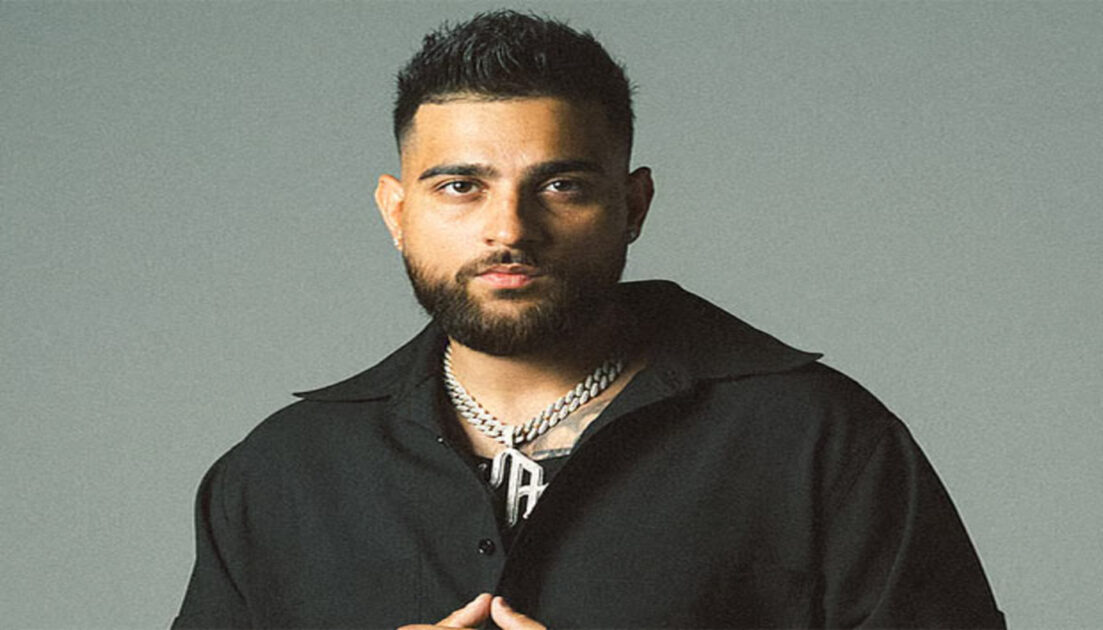
Punjabi music star Karan Aujla recently found himself in the middle of such a moment. After his Holi-themed concert in Mumbai faced criticism from attendees who reported logistical problems at the venue, the singer responded with a move that has sparked widespread discussion. Instead of ignoring the backlash, Aujla announced a second concert titled “Karan Aujla P-POP Culture India Tour – Mumbai 2.0,” scheduled for April 12, and offered free entry and ticket upgrades to fans who attended the earlier event.
The announcement quickly drew attention across the entertainment industry. Fans praised the singer for acknowledging their concerns and attempting to rectify the experience. At the same time, the situation highlighted the increasing expectations surrounding live music events in India, where concerts are becoming bigger, more technologically advanced, and more culturally significant.
This development is more than just a rescheduled show. It reflects the evolving relationship between artists and their audiences, the growing power of social media feedback, and the expanding influence of Punjabi music within India’s live entertainment ecosystem.
The Global Rise of Karan Aujla
Over the last decade, Karan Aujla has become one of the most recognizable names in Punjabi music. Known for his distinctive voice, introspective lyrics, and modern sound, he has built a reputation as an artist who blends traditional Punjabi storytelling with contemporary hip-hop and pop influences.
His journey from a songwriter to a global performer reflects the broader rise of Punjabi music on the international stage. What was once considered a regional genre has transformed into a worldwide cultural force, supported by streaming platforms, diaspora audiences, and viral social media trends.
Aujla’s songs often focus on themes such as ambition, personal struggles, loyalty, and emotional resilience. These themes resonate strongly with younger listeners who see their own experiences reflected in his lyrics. His authenticity has helped him cultivate a loyal fan base across India, Canada, the United Kingdom, and other countries with large South Asian communities.
Beyond recorded music, Aujla’s live performances have become a major part of his identity as an artist. His concerts are known for their high energy, crowd engagement, and vibrant visual production. Fans attending his shows often expect an atmosphere that feels more like a festival than a traditional concert.
This reputation made his Holi-themed show in Mumbai one of the most anticipated music events of the season.
A Holi Concert Full of Expectations
Holi, the festival of colors, is synonymous with celebration, music, and community. For many young Indians, Holi events featuring popular artists have become a key part of the holiday’s modern cultural landscape.
When Karan Aujla announced a special Holi concert in Mumbai, fans immediately began sharing their excitement online. The event promised a lively mix of music, color celebrations, and festival energy. Tickets sold quickly, and many attendees expected an unforgettable night.
The concert was held on March 3 at the MMRDA Grounds, a large venue known for hosting major public events. However, as the event unfolded, several attendees began posting complaints on social media about the experience.
Videos and photos circulating online showed crowded spaces and raised concerns about the availability of essential facilities. Some fans reported issues such as a lack of shaded areas, insufficient hydration points, and logistical challenges that made it difficult to fully enjoy the concert.
For an event that had generated such high expectations, these problems led to disappointment among some attendees.
Social Media Amplifies Fan Reactions
In previous decades, complaints about concert organization might have remained limited to small circles of attendees. Today, social media platforms allow thousands of people to share their experiences instantly.
Short video clips, Instagram reels, and tweets from the Mumbai concert quickly began circulating online. Many fans expressed frustration with the arrangements, while others shared their disappointment about the conditions at the venue.
As the posts gained traction, the conversation expanded beyond those who attended the event. Online discussions about the concert began trending, turning what might have been a localized issue into a widely discussed topic within entertainment circles.
The situation highlighted the growing influence of fan voices in shaping the narrative around live events. Artists and organizers now operate in an environment where transparency and responsiveness are essential.
For Aujla, the backlash presented both a challenge and an opportunity.
Karan Aujla’s Response to the Controversy
Instead of staying silent, Karan Aujla chose to address the situation publicly. In a statement announcing the new concert, he emphasized his appreciation for the fans who had supported the original event.
He explained that every fan should feel valued, acknowledged, and respected, and that the team wanted to create a better experience for those who had attended the previous show.
This response resonated with many supporters. In an industry where artists sometimes distance themselves from event management issues, Aujla’s willingness to acknowledge the situation was seen by some fans as a sign of accountability.
His message also included an enthusiastic promise that the upcoming concert would be “one wild party,” signaling that the team intended to deliver a bigger and more memorable event.
Introducing “Mumbai 2.0”
The newly announced concert, titled “Karan Aujla P-POP Culture India Tour – Mumbai 2.0,” is scheduled to take place on April 12.
According to the organizers, the new event will be designed to enhance the scale, technology, and overall immersion of the performance. The goal is to create a more organized and comfortable environment for fans while maintaining the energetic atmosphere that Aujla’s concerts are known for.
The most notable part of the announcement is the decision to allow fans who attended the March 3 concert to enter the new event free of charge.
This move is relatively rare in the live music industry, where logistical and financial constraints often make such gestures difficult.
Ticket Upgrades for Previous Attendees
In addition to free entry, several ticket categories from the earlier concert will be upgraded for the Mumbai 2.0 event.
The adjustments include:
• General Access and VIP tickets being upgraded to the Silver category
• Fan Zone tickets moving up to the Gold category
• Premium sections such as P-Pop Pit and King of Good Times Lounge retaining their existing benefits
These upgrades are intended to compensate fans for their earlier experience while ensuring that they receive a higher-quality concert environment.
For many fans, this gesture demonstrates a commitment to maintaining trust between the artist and his audience.
New Ticket Sales for Fresh Fans
While previous attendees will be given priority through free access, a limited number of new tickets will also be made available for purchase.
Sales are scheduled to begin on March 8 through the official ticketing platform. Ticket prices will start at ₹2,999 for Silver access and go up to ₹29,999 for the P-Pop Pit category, which offers premium viewing and exclusive benefits.
This pricing structure reflects the broader trend of tiered ticketing in modern concerts, where fans can choose between standard and premium experiences depending on their preferences.
The high demand for Aujla’s performances suggests that the new event is likely to attract both returning attendees and first-time concertgoers.
The Growing Popularity of Live Music in India
The incident surrounding Aujla’s Mumbai concert also sheds light on the rapid expansion of India’s live entertainment industry.
Over the past decade, India has witnessed a surge in large-scale concerts, music festivals, and touring events featuring both domestic and international artists. Cities like Mumbai, Delhi, Bengaluru, and Hyderabad have become key hubs for live performances.
Several factors have contributed to this growth:
- Rising disposable income among young audiences
- Increased exposure to global music culture through streaming platforms
- The influence of social media in promoting concerts and festivals
- The expansion of event management companies and entertainment promoters
As concerts become more elaborate, audience expectations have also risen. Fans now look for professional organization, high-quality sound and lighting, comfortable facilities, and engaging stage production.
Events that fail to meet these expectations can quickly become subjects of public criticism.
Lessons for the Concert Industry
The Mumbai Holi concert controversy highlights several lessons for artists and event organizers.
First, logistics matter just as much as performance quality. Even the most popular artist cannot fully compensate for issues such as overcrowding, inadequate facilities, or poor planning.
Second, communication with fans is essential. When concerns arise, addressing them openly can help prevent negative narratives from escalating.
Third, fan loyalty is built through trust. By offering free entry and ticket upgrades, Aujla and the event organizers have attempted to reinforce that trust.
These lessons are likely to influence how future concerts are planned, particularly as India’s live music industry continues to expand.
Fans React to the Second Chance
Reactions to the announcement of Mumbai 2.0 have been mixed but largely positive.
Many fans praised Aujla for acknowledging the issue and making an effort to provide a better experience. Some social media users described the decision as a respectful gesture that demonstrates appreciation for supporters.
Others remain cautious, noting that the true test will be whether the new concert delivers on its promises.
Nevertheless, the announcement has generated significant anticipation. Fans who attended the original event now have an opportunity to revisit the experience under improved conditions, while new attendees are eager to witness Aujla’s performance.
Turning Criticism into Opportunity
In the world of entertainment, controversies often carry the risk of long-term reputational damage. However, they can also create opportunities for growth when handled thoughtfully.
By announcing Mumbai 2.0 and offering compensation to fans, Karan Aujla has attempted to transform criticism into a moment of connection with his audience.
The strategy reflects a broader shift in the entertainment industry, where artists increasingly recognize the importance of transparency and responsiveness.
Rather than viewing fan criticism as a threat, many performers now see it as feedback that can help improve future events.
Looking Ahead to April 12
As the date for the new concert approaches, excitement continues to build. The success of Mumbai 2.0 will depend not only on Aujla’s performance but also on the effectiveness of the event’s planning and organization.
Fans hope that the concert will deliver the vibrant energy and memorable atmosphere that the original Holi event promised.
If the event succeeds, it could become an example of how artists and organizers can recover from setbacks while strengthening their connection with audiences.
A Defining Moment in Fan Culture
Ultimately, the story of Karan Aujla’s Mumbai 2.0 concert reflects the changing nature of fan culture in the digital age.
Fans today are not passive consumers. They actively shape the narrative around artists, concerts, and cultural events through their voices on social media.
Artists who acknowledge this dynamic and engage with their audiences authentically often emerge stronger from challenges.
By offering a second chance and promising a bigger celebration, Aujla has turned a moment of criticism into a renewed opportunity to celebrate music, community, and the vibrant spirit of Punjabi pop.
Whether Mumbai 2.0 becomes a triumphant comeback or simply another chapter in the story of live music in India, it has already sparked an important conversation about accountability, fan experience, and the evolving relationship between artists and their audiences.