 by
by Reality television in India has steadily evolved from light entertainment into something far more intense, physical, and psychologically demanding. At the center of this transformation stands one show that defines the genre like no other: Khatron Ke Khiladi. Over the years, it has moved beyond being a simple adaptation of an international format and has become a cultural spectacle built on fear, adrenaline, and celebrity endurance.
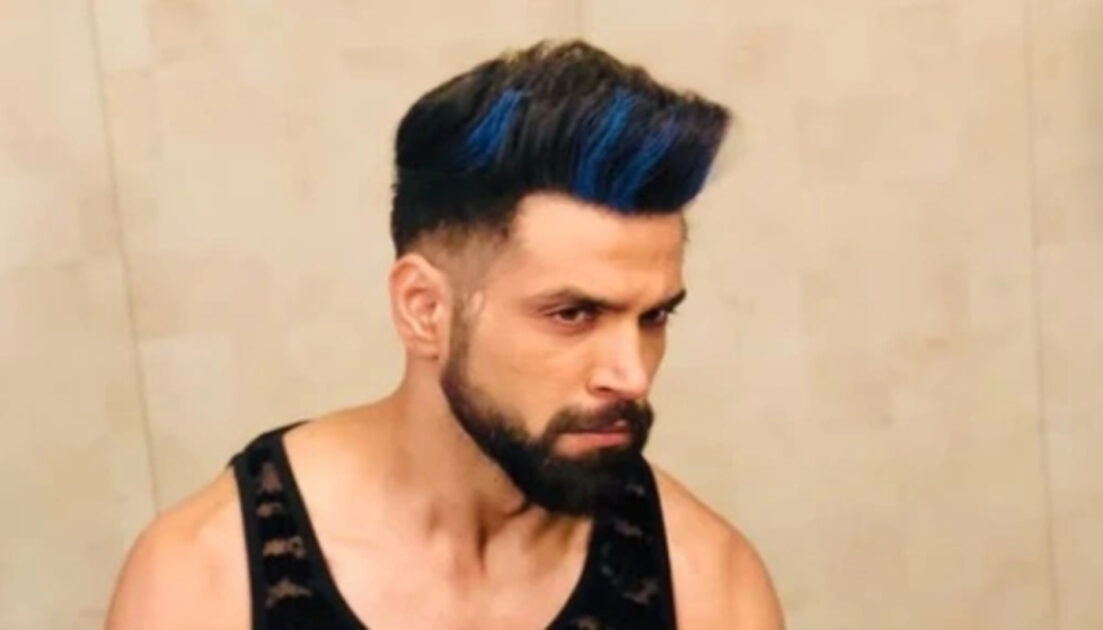
Season 15 of the show has already been under the spotlight for pushing contestants harder than ever before. But a recent incident involving actor and television personality Rithvik Dhanjani has once again raised questions about where entertainment ends and genuine risk begins.
Reports of Rithvik sustaining an injury during a stunt sequence have sparked widespread discussion—not only among fans but also within the television industry itself. While injuries on stunt-based reality shows are not unheard of, the circumstances surrounding this particular incident, and the environment in which it happened, have made it one of the most talked-about moments of the season.
To understand why this incident is significant, it is important to look beyond the headline and into the mechanics of the show, the psychology of its contestants, and the evolving nature of reality television in India.
The Rising Intensity of Khatron Ke Khiladi
From its early seasons to its current format, Khatron Ke Khiladi has undergone a noticeable transformation. Initially, the show focused on relatively controlled physical challenges designed to test fear in a structured environment. Over time, however, the format has expanded into something much more elaborate and physically demanding.
In recent seasons, the scale of stunts has increased significantly. Tasks now include fire-based challenges, underwater endurance tests, high-altitude climbs, fast-moving vehicle sequences, and enclosed space psychological pressure tasks. The production value has also risen, with international shooting locations adding cinematic depth to the experience.
Season 15 continues this trend, with stunts designed to appear more realistic, more dangerous, and more emotionally intense than ever before. The show’s appeal lies in this very balance—viewers are aware that safety measures exist, but the illusion of real danger remains a central part of its entertainment value.
However, as stunts become more complex, the margin for error naturally narrows.
What Happened During the Stunt
The incident involving Rithvik Dhanjani reportedly occurred during a fire-based challenge, one of the most unpredictable categories of stunts used in the show. Fire stunts require precise timing, coordination, and strict adherence to safety protocols. Even a minor miscalculation can lead to physical harm.
According to reports circulating from the set, Rithvik was participating in a timed sequence where he had to move through an obstacle area involving controlled flames. These types of stunts are designed with layered safety mechanisms, including fire-resistant gear, standby extinguishing systems, and medical personnel positioned nearby.
However, during the execution of the task, something reportedly did not go as planned. A brief exposure to flames resulted in burn injuries. Although the injuries were not described as life-threatening, they were serious enough to require immediate medical attention on set.
What makes this incident particularly notable is that despite the injury, Rithvik is said to have completed the stunt before stepping away for treatment. This behavior is not unusual in competitive reality shows, where contestants are often encouraged to finish tasks unless physically unable to continue.
Still, the moment highlights the blurred boundary between determination and risk-taking in such environments.
Why Fire Stunts Carry Higher Risk
Fire-based stunts are widely regarded as some of the most dangerous challenges in the world of televised reality competitions. Unlike water or height-based tasks, fire introduces unpredictable variables that are difficult to control completely.
Temperature fluctuations, airflow changes, timing delays, and human reaction speed all play critical roles in determining safety outcomes. Even with professional stunt coordinators overseeing the sequence, fire behaves in ways that cannot be entirely standardized.
In controlled environments, performers are often protected with fire-resistant clothing and protective gels. Emergency extinguishing teams are also stationed close by. Despite these precautions, the risk of burns or heat exposure remains ever-present.
The unpredictability of fire is what makes it effective as a visual and emotional tool in reality television—but it is also what makes it inherently risky.
The Pressure of Performing on Camera
One of the most overlooked aspects of reality stunt shows is the psychological pressure experienced by contestants. Unlike scripted film sequences, where multiple takes are possible, reality stunts are performed in real time. There is no option for retakes, and every moment is captured on camera.
This creates a unique mental environment where contestants are constantly balancing fear, performance expectations, and time pressure.
For someone like Rithvik Dhanjani, who has experience in television and reality formats, there is also an additional layer of expectation. Returning contestants often feel the need to perform better than before, not just for the competition but also for their public image.
This psychological pressure can influence decision-making during stunts. Contestants may choose to continue tasks even when slightly injured or uncomfortable, prioritizing completion over immediate safety withdrawal.
Rohit Shetty’s High-Intensity Production Style
The tone and structure of Khatron Ke Khiladi are heavily influenced by its host and creative vision. Known for his work in action cinema, Rohit Shetty brings a film-like approach to reality television production.
His philosophy centers on realism, intensity, and emotional authenticity. Instead of simulated fear, the show attempts to capture genuine reactions from contestants placed in challenging physical situations.
This approach has been widely successful, making the show one of the most popular reality formats on Indian television. However, it also means that stunts are often designed to push contestants close to their physical and emotional limits.
The line between controlled danger and real risk becomes thinner as the show aims for higher levels of spectacle each season.
Safety Measures and On-Set Protocols
Despite the perception of extreme danger, shows like Khatron Ke Khiladi operate under strict safety guidelines. Every stunt is designed and supervised by professional teams with experience in stunt coordination and emergency response.
Typical safety measures include:
- Pre-stunt rehearsals
- Protective gear customized for each task
- Fire and rescue teams on standby
- On-site medical professionals
- Emergency stop protocols for stunt interruption
However, the nature of reality television creates a unique challenge: maintaining authenticity while ensuring safety.
If a stunt appears too controlled, it loses impact. If it appears too risky, it raises ethical concerns. Production teams must constantly navigate this balance.
Even with all precautions in place, the possibility of accidents cannot be entirely eliminated.
Why Injuries Still Happen Despite Precautions
There is a common assumption that accidents on reality shows indicate negligence. In reality, most incidents occur due to a combination of factors rather than a single failure point.
Some of the most common causes include:
Human error during fast-paced execution
Small timing delays in coordinated stunts
Environmental factors such as wind or heat
Unexpected reactions from contestants under stress
Mechanical or technical inconsistencies
In high-intensity environments, even a one-second delay can change the outcome of a stunt. This makes complete risk elimination impossible, even in professionally controlled settings.
Audience Fascination With Real Danger
One of the key reasons Khatron Ke Khiladi remains popular is its ability to create the illusion of real danger. Viewers are drawn to moments where contestants appear genuinely afraid or physically challenged.
Psychologically, audiences tend to engage more deeply with content that feels authentic. When injuries or close calls occur, it reinforces the belief that what they are watching is real, unfiltered, and emotionally raw.
This creates a paradox: viewers want to see extreme stunts, but also expect complete safety behind the scenes. The tension between these two expectations is what drives engagement.
Industry Reaction and Growing Concerns
Within the television industry, incidents like Rithvik’s injury often trigger renewed discussions about safety standards and production ethics.
While stunt-based shows have existed for years, the increasing scale of challenges has led some professionals to question whether current safety frameworks are sufficient for modern production demands.
Concerns typically revolve around:
- Increasing complexity of stunts
- Tight shooting schedules
- Pressure to deliver dramatic content
- Lack of standardized industry-wide safety regulations
These discussions are not new, but they become more prominent each time a high-profile incident occurs.
The Psychological Strength of Contestants
Despite the risks, contestants continue to participate in such shows because of the unique opportunity they offer. For many television personalities, Khatron Ke Khiladi represents:
- A chance to reinvent their public image
- A platform for nationwide visibility
- A personal challenge to overcome fear
- A competitive reality experience unlike any other
However, this ambition often comes with physical and emotional strain.
The decision to continue a stunt despite injury, as reportedly seen in Rithvik’s case, reflects a broader culture of endurance that defines the show.
The Bigger Picture: Reality Television at Its Limits
The incident involving Rithvik Dhanjani is not just an isolated on-set injury. It reflects a broader trend in reality television globally—where content is becoming increasingly extreme in order to maintain audience attention.
As competition among entertainment platforms intensifies, shows are under pressure to deliver higher stakes, stronger visuals, and more emotionally charged moments.
This raises important questions about the future of such formats:
How far can reality television go in simulating danger?
At what point does entertainment cross into unnecessary risk?
Should industry-wide safety regulations be more standardized?
These questions are becoming increasingly relevant as shows continue to push boundaries.
Conclusion: When Entertainment Meets Real Consequences
The injury sustained by Rithvik Dhanjani during a stunt on Khatron Ke Khiladi 15 serves as a reminder that reality television is built on a fragile balance between spectacle and safety.
While the show continues to deliver high-adrenaline entertainment under the guidance of its production team and host, incidents like this highlight the physical reality behind the screen.
Contestants are not just performers reacting to scripted scenarios—they are individuals placing themselves in physically demanding and sometimes unpredictable environments for the sake of competition and entertainment.
As Khatron Ke Khiladi continues its season, the incident will likely remain a talking point—not because it disrupts the show, but because it reveals exactly what makes the format so compelling and so controversial at the same time.
In the end, the appeal of the show lies in this very tension: the fine line between controlled safety and real risk, between entertainment and consequence, between fear on screen and impact in real life.