 by
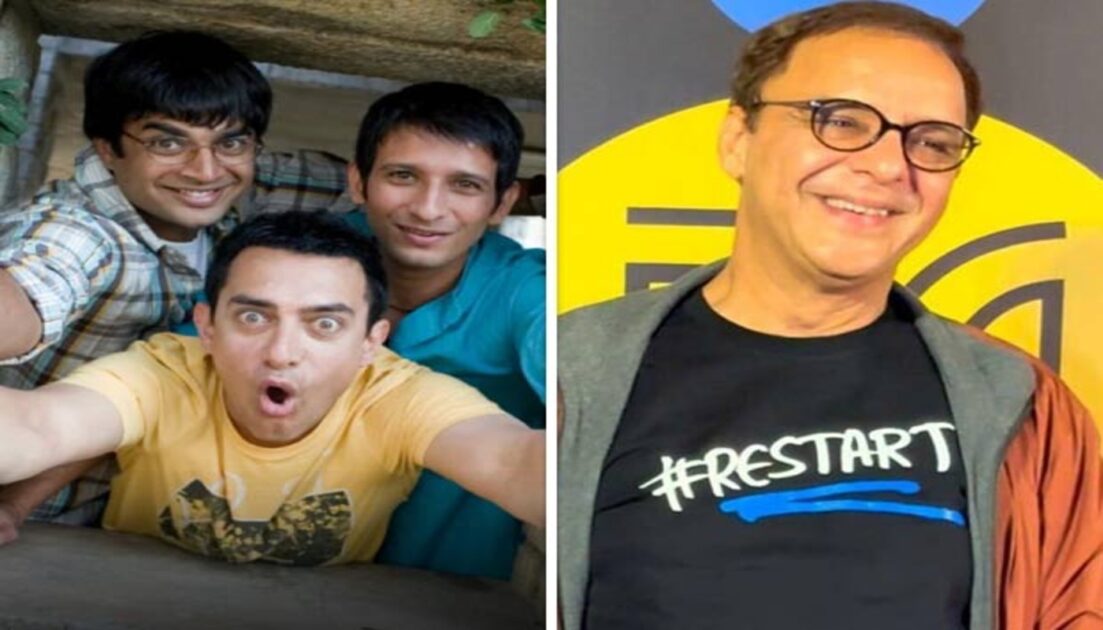
by Few Bollywood films have achieved the kind of universal admiration, commercial success, and cultural relevance that 3 Idiots continues to enjoy. More than sixteen years after its original release, Rajkumar Hirani’s beloved blockbuster is all set to return to the big screen on September 4, 2026, giving audiences another opportunity to experience one of Hindi cinema’s most iconic films in theatres.
The announcement comes with another major industry development. NH Studioz has completed a landmark three-figure crore acquisition of the Vidhu Vinod Chopra Films catalogue, bringing one of Bollywood’s most valuable film libraries under its distribution umbrella. The acquisition not only paves the way for the theatrical re-release of 3 Idiots but also reflects the growing commercial importance of classic film catalogues in India’s evolving entertainment landscape.
For movie lovers, the return of 3 Idiots is a nostalgic celebration. For the film industry, however, it represents something much larger—a shift toward preserving, restoring, and monetizing timeless cinema in an era dominated by streaming platforms and changing audience habits.
A Film That Changed Indian Cinema
Released in December 2009, 3 Idiots wasn’t just another Bollywood entertainer. Based loosely on Chetan Bhagat’s novel Five Point Someone, the film combined comedy, emotion, friendship, romance, and social commentary into an unforgettable cinematic experience.
The story follows three engineering students—Rancho, Farhan, and Raju—as they navigate the pressures of one of India’s toughest educational institutions. Along the way, the film questions the country’s obsession with marks, rankings, and conventional definitions of success.
Rather than simply entertaining audiences, 3 Idiots challenged deeply rooted beliefs about education, parenting, ambition, and happiness. It encouraged viewers to pursue excellence instead of blindly chasing success, a message that continues to resonate even today.
Why the Re-Release Matters
When Aamir Khan celebrated his 60th birthday in 2025, a nationwide film festival showcased many of his greatest hits, including Lagaan, Dangal, PK, Rang De Basanti, Taare Zameen Par, Sarfarosh, Dil Chahta Hai, Ghajini, and Jo Jeeta Wohi Sikandar.
Fans quickly noticed one major omission—3 Idiots.
Given the film’s extraordinary popularity, its absence surprised many moviegoers. Industry observers later pointed toward distribution rights and catalogue ownership as the primary reason it could not be included in the retrospective.
The 2026 theatrical return therefore feels especially meaningful. Fans who waited for the film to return to cinemas during Aamir Khan’s birthday celebrations will finally have the opportunity to relive the magic on the big screen.
NH Studioz’s Landmark Acquisition
Perhaps the biggest industry story behind this re-release is NH Studioz’s acquisition of the Vidhu Vinod Chopra Films catalogue.
Film libraries have become increasingly valuable worldwide. As streaming services compete for premium content and audiences develop renewed appreciation for classic films, ownership of evergreen titles has emerged as a significant long-term investment.
Instead of generating revenue only during their original theatrical runs, iconic films now continue earning through multiple channels, including digital streaming, satellite television, overseas licensing, anniversary screenings, restored theatrical releases, and educational showcases.
The reported three-figure crore acquisition demonstrates just how valuable enduring intellectual property has become within the Indian entertainment industry.
Why 3 Idiots Still Feels Relevant
One of the reasons 3 Idiots continues to attract audiences is that its themes remain strikingly contemporary.
Academic pressure has not disappeared. If anything, it has intensified.
Today’s students face entrance examinations, fierce competition, social media comparisons, artificial intelligence-driven career changes, and increasing concerns about mental health.
The film’s central message—that genuine learning is more valuable than memorization and that passion should guide career choices—remains as relevant today as it was in 2009.
Many students watching the film in 2026 were children or had not even been born when it originally released, yet they are likely to connect with its emotional core just as strongly.
Rajkumar Hirani’s Storytelling Excellence
Director Rajkumar Hirani has earned a reputation for combining meaningful social commentary with mainstream entertainment, and 3 Idiots is widely regarded as one of his finest achievements.
Rather than delivering lectures, Hirani presents complex issues through humor, relatable characters, and emotionally satisfying storytelling. Every major character contributes to the narrative, ensuring that the film remains engaging even during its more serious moments.
The screenplay balances laughter with heartbreak, creating a viewing experience that appeals equally to families, students, and older audiences.
Performances That Became Iconic
Aamir Khan’s portrayal of Rancho remains one of the defining performances of his career. Despite being in his forties during filming, he convincingly portrayed a curious, optimistic engineering student whose unconventional thinking inspired millions.
R. Madhavan brought warmth and sincerity to Farhan, whose struggle between parental expectations and personal passion reflected the experiences of countless young Indians.
Sharman Joshi delivered an emotionally powerful performance as Raju, whose family’s financial hardships added depth to the story’s examination of educational pressure.
Kareena Kapoor Khan complemented the narrative beautifully as Pia, while Boman Irani created one of Bollywood’s most memorable authority figures through the strict yet layered character of Viru Sahastrabuddhe, affectionately known as “Virus.”
Omi Vaidya’s portrayal of Chatur remains one of the funniest supporting performances in Hindi cinema, with his unforgettable speech scene continuing to entertain audiences years later.
Dialogues That Became Cultural Icons
Very few Bollywood films have contributed as many memorable dialogues to everyday conversation.
“All Is Well” evolved into a nationwide expression of optimism.
“Success ke peeche mat bhaago, kaabil bano” continues to inspire students, professionals, and entrepreneurs.
The film’s observations about life, competition, and education have been quoted in classrooms, seminars, corporate training sessions, and motivational speeches across India and beyond.
Such lasting influence reflects the film’s extraordinary cultural reach.
Music That Continues to Connect Generations
Shantanu Moitra’s soulful soundtrack played a vital role in the film’s emotional impact.
Songs like Give Me Some Sunshine, Behti Hawa Sa Tha Woh, and Zoobi Doobi remain widely streamed and frequently revisited by fans.
Unlike many commercial soundtracks that fade with time, the music of 3 Idiots continues to evoke nostalgia while remaining accessible to younger listeners discovering the film for the first time.
The Rise of Bollywood Re-Releases
The return of 3 Idiots also reflects a broader trend within Indian cinema.
Classic films are increasingly finding new life through theatrical re-releases. Audiences who originally watched these movies years ago are eager to relive them on the big screen, while younger viewers appreciate the opportunity to experience legendary films in their intended cinematic environment.
The success of several recent re-releases has demonstrated that nostalgia, when combined with genuinely timeless storytelling, can become a commercially successful strategy.
Watching a beloved film in a packed theatre creates an emotional experience that streaming simply cannot replicate.
Laughter becomes contagious.
Emotional scenes become even more moving.
Iconic dialogues receive applause.
Songs generate collective excitement.
For films like 3 Idiots, the communal experience is part of the magic.
A Global Success Story
Although deeply rooted in Indian culture, 3 Idiots achieved remarkable international success.
Its universal themes of friendship, self-discovery, and educational pressure resonated across continents, particularly in Asian markets.
The film’s later release in China introduced millions of additional viewers to Bollywood storytelling and significantly strengthened Indian cinema’s international reputation.
Its global popularity proved that emotionally authentic stories could transcend language and cultural barriers.
Why Catalogue Ownership Matters
The acquisition of classic film libraries is becoming increasingly strategic.
Owning iconic titles allows companies to generate sustained revenue through restored theatrical releases, streaming partnerships, television broadcasts, international licensing agreements, and anniversary celebrations.
Unlike new releases that rely heavily on opening-weekend collections, evergreen films continue generating value for decades.
For NH Studioz, securing the Vidhu Vinod Chopra Films catalogue represents not only an investment in cinema history but also a long-term business opportunity.
A Timeless Legacy
The enduring popularity of 3 Idiots cannot be measured solely through its box office numbers or awards. Its greatest achievement lies in the conversations it inspired.
Students found the courage to pursue their passions.
Parents reconsidered their expectations.
Teachers reflected on the true purpose of education.
Few commercial films have influenced public thinking as profoundly as 3 Idiots.
As the film returns to cinemas on September 4, 2026, audiences are not merely revisiting an old favorite—they are celebrating a story that continues to inspire new generations. Coupled with NH Studioz’s landmark acquisition of the Vidhu Vinod Chopra Films catalogue, the re-release represents an important milestone in Bollywood’s growing appreciation for preserving and celebrating its cinematic heritage.
More than sixteen years after its original release, 3 Idiots remains a reminder that meaningful storytelling never loses its relevance. Great films may age, but their messages continue to evolve with every generation that discovers them. The return of this beloved classic is therefore more than an exercise in nostalgia—it is a celebration of timeless cinema and the enduring power of stories that challenge, entertain, and inspire.