 by
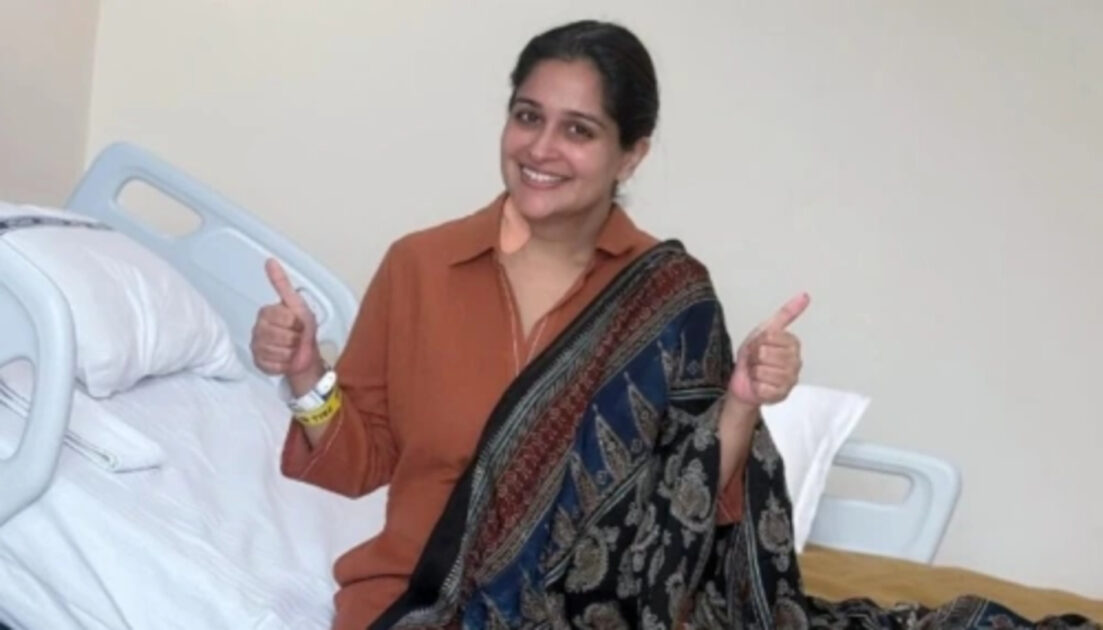
by In a recent vlog that quickly caught attention across entertainment circles and fan communities, television actress Dipika Kakar opened up about a deeply personal and emotionally layered phase of her life. She spoke candidly about undergoing double immunotherapy while also sharing an update on her father-in-law’s health, revealing that Shoaib Ibrahim’s father is showing signs of improvement. At the same time, she acknowledged how the ongoing situation has been emotionally and physically taxing for her husband Shoaib Ibrahim, who is navigating multiple responsibilities amid family health concerns.
What made this vlog stand out was not just the update itself, but the vulnerability with which Dipika shared it. In an industry where public figures often carefully curate their personal narratives, her openness offered a rare window into the emotional weight carried by families dealing with prolonged medical challenges, treatment uncertainties, and the silent exhaustion that comes with caregiving.
This article explores the broader emotional, psychological, and social dimensions of her update—while also reflecting on what such moments reveal about modern celebrity culture, family dynamics, and the growing trend of public vulnerability through vlogging.
A Personal Health Battle Shared Publicly
Dipika Kakar’s mention of undergoing “double immunotherapy” immediately drew attention, as immunotherapy is a specialized form of medical treatment used to help the body’s immune system fight disease. While she did not go into extensive medical detail in the vlog, her statement indicated that she is currently navigating a demanding treatment process alongside her family responsibilities.
Immunotherapy, in general medical understanding, is often associated with conditions that require long-term management and careful monitoring. It is not just physically demanding but also emotionally draining, as patients may experience fatigue, fluctuations in health, and uncertainty regarding outcomes. The term “double immunotherapy,” as mentioned in her vlog, suggests a heightened level of treatment intensity or combination therapy, which can further increase physical strain.
However, what stood out was not the clinical aspect but the emotional framing. Dipika did not present her condition as an isolated struggle. Instead, she placed it within the larger context of her family’s health journey—highlighting how illness rarely affects just one person in a household but reverberates across relationships, routines, and emotional stability.
Shoaib Ibrahim’s Father: A Glimmer of Relief Amid Uncertainty
One of the most emotionally significant updates in her vlog was the positive news about Shoaib Ibrahim’s father. Dipika mentioned that he is “getting better,” a statement that carried a sense of cautious relief rather than complete resolution.
For families dealing with prolonged illness, improvement is often gradual and uncertain. Even small signs of recovery become meaningful milestones. The phrasing used in her vlog reflects this reality—hope mixed with ongoing concern, a balance many families in similar situations deeply understand.
In such circumstances, emotional energy becomes fragmented. Instead of a single focus, attention is divided between recovery tracking, medical consultations, emotional support, and maintaining daily life. Dipika’s update subtly reflected this fragmentation, showing how caregiving often becomes a shared responsibility rather than an individual role.
The Emotional Toll on Shoaib Ibrahim
Perhaps one of the most important parts of Dipika’s message was her acknowledgment of Shoaib Ibrahim’s emotional state. She shared that the ongoing situation has taken a toll on him, which highlights a side of caregiving that is often under-discussed—male emotional vulnerability in family health crises.
In many South Asian households, men are traditionally expected to remain composed during crises, often becoming the “pillar” of strength for the family. However, emotional suppression can lead to internal stress, burnout, and fatigue. Dipika’s statement subtly challenges this stereotype by recognizing that Shoaib, too, is affected deeply by the situation.
Caregiving stress does not only manifest as sadness or worry. It often includes:
- Mental exhaustion from decision-making
- Sleep disturbances
- Emotional burnout
- Difficulty balancing work and family responsibilities
- A constant sense of vigilance
By acknowledging Shoaib’s emotional strain, Dipika highlighted the often invisible psychological burden carried by caregivers who attempt to hold families together during medical crises.
Vlogging as Emotional Expression in Celebrity Culture
Dipika Kakar’s vlog is part of a growing trend among public figures who use digital platforms not just for entertainment, but for emotional expression and personal storytelling. Unlike traditional interviews or media statements, vlogs allow for a more intimate and unfiltered communication style.
In this case, the vlog served multiple purposes:
- Updating fans about health developments
- Expressing emotional vulnerability
- Sharing gratitude and resilience
- Creating a sense of connection with viewers
This form of communication reflects a shift in celebrity culture. Audiences today expect authenticity, and platforms like YouTube and Instagram have blurred the boundaries between private life and public persona.
However, this also raises an important question: what does it mean to process deeply personal medical and emotional experiences in a public space?
While some viewers appreciate transparency, others may not fully grasp the emotional cost of sharing such intimate details. The act of narrating illness and caregiving struggles publicly can sometimes amplify emotional fatigue, even as it fosters connection.
The Hidden Weight of Caregiving
Caregiving is often romanticized as an act of love and devotion, but in reality, it carries significant emotional and physical weight. Dipika’s vlog indirectly sheds light on this reality.
When a family member is unwell, caregivers often experience:
- Chronic stress
- Emotional suppression to maintain positivity
- Reduced personal time and self-care
- Anxiety about medical outcomes
- Financial and logistical pressure
In joint or closely-knit families, these pressures can become even more layered. Responsibilities are shared, but so is emotional tension. The household becomes a space of constant alertness, where even moments of normalcy feel temporary.
Dipika’s reference to the “last few days” suggests a period of heightened intensity—likely involving medical updates, treatment monitoring, and emotional fatigue. These phases are common in long-term health battles, where progress is not linear but fluctuates over time.
The Balance Between Strength and Vulnerability
One of the most striking aspects of Dipika’s update is the balance she maintains between strength and vulnerability. She does not present herself as overwhelmed beyond control, nor does she downplay the seriousness of the situation. Instead, she occupies a space that many people in real life experience but rarely articulate publicly.
This balance is important because it reflects a more realistic portrayal of coping. Strength is not the absence of struggle—it is the ability to function while carrying emotional weight.
In many ways, her vlog reflects three simultaneous emotional layers:
- Hope – in her father-in-law’s improvement
- Strain – in Shoaib’s emotional condition
- Endurance – in her own treatment journey
These overlapping realities create a complex emotional landscape that is both deeply personal and widely relatable.
Why Such Updates Resonate With Audiences
The strong reaction to Dipika Kakar’s vlog is not just about celebrity interest. It reflects a broader cultural resonance with themes of illness, caregiving, and family responsibility.
Many viewers see reflections of their own lives in such stories. Chronic illness and caregiving are universal experiences, cutting across socioeconomic and cultural boundaries. When public figures share such moments, it creates a sense of shared humanity.
Additionally, audiences today are increasingly drawn to narratives that feel real rather than polished. Vulnerability has become a form of connection, especially in a digital age where curated perfection is often met with skepticism.
The Psychological Reality Behind “Everything Taking a Toll”
Dipika’s acknowledgment that the situation is “taking a toll” on Shoaib is particularly significant. This phrase captures a psychological reality that is often gradual rather than sudden.
Emotional toll typically builds over time through:
- Continuous worry
- Lack of emotional recovery time
- Repeated exposure to stressful situations
- Suppression of personal feelings
- Responsibility overload
In caregiving environments, individuals often operate in “functional mode,” focusing on tasks rather than emotions. However, over time, this can lead to burnout, emotional numbness, or exhaustion.
By bringing attention to this, Dipika indirectly highlights the importance of emotional awareness within families dealing with health crises.
The Role of Hope in Long Medical Journeys
Hope plays a central role in any prolonged health journey. Even small improvements, like the update shared about Shoaib’s father, can significantly influence emotional resilience within the family.
Hope is not passive—it actively shapes how families cope, make decisions, and sustain themselves through uncertainty. It helps balance fear and fatigue, allowing individuals to continue engaging with treatment processes.
Dipika’s emphasis on improvement suggests that despite challenges, there are signs of progress. In medical journeys, such signs often serve as emotional anchors for families navigating uncertainty.
Conclusion: A Story of Resilience, Care, and Emotional Complexity
Dipika Kakar’s recent vlog is more than just a health update—it is a reflection of the emotional complexity that surrounds illness within families. Her openness about undergoing double immunotherapy, her acknowledgment of Shoaib Ibrahim’s emotional struggle, and the hopeful update on her father-in-law’s condition collectively paint a picture of resilience under pressure.
What makes this narrative powerful is its relatability. It reminds viewers that behind public personalities are real families experiencing the same cycles of hope, fear, fatigue, and relief that many others face in private life.
In sharing her journey, Dipika has unintentionally highlighted something larger than celebrity news: the universal experience of caregiving and the emotional endurance it demands.
Her vlog stands as a reminder that healing is rarely linear, strength is often quiet, and family—despite its challenges—remains the central pillar that holds people together in times of uncertainty.