 by
by For an entire generation of Indian television viewers, Kyunki Saas Bhi Kabhi Bahu Thi was never just another daily soap—it was a cultural institution. It shaped evening routines, transformed television storytelling, created unforgettable characters, influenced fashion trends, and established a new era of family-centric entertainment. Twenty-six years after its original premiere, the show’s legacy remains remarkably intact, proving that certain stories transcend time.
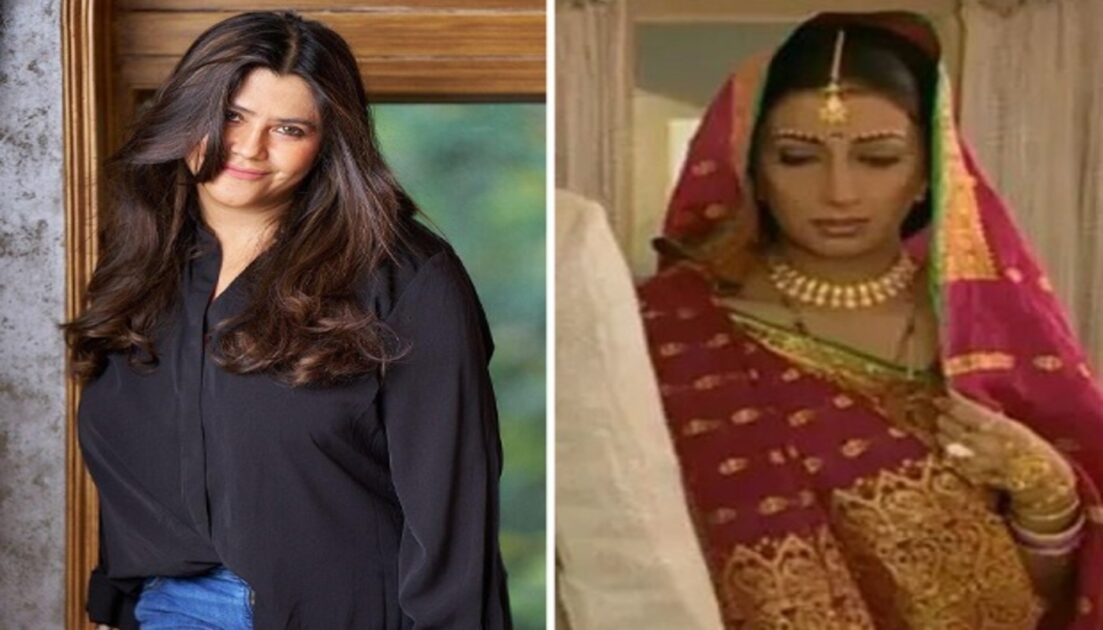
Marking the milestone anniversary, producer Ektaa R Kapoor shared an emotional reflection on the possibility of reviving the legendary series. She candidly admitted that bringing Kyunki Saas Bhi Kabhi Bahu Thi back was “damn scary,” acknowledging the immense expectations attached to one of India’s most beloved television properties.
Her statement resonated with fans across generations. In an entertainment landscape dominated by streaming platforms, short-form content, and rapidly evolving audience preferences, attempting to recreate the magic of a television phenomenon from the late 1990s and early 2000s is a bold creative gamble.
The anniversary is therefore more than a nostalgic celebration—it is an opportunity to revisit the extraordinary impact of a show that permanently altered Indian television history.
A Show That Changed Indian Television Forever
When Kyunki Saas Bhi Kabhi Bahu Thi premiered on Star Plus in July 2000, few could have predicted the cultural movement it would become.
Produced by Balaji Telefilms under the creative leadership of Ektaa R Kapoor, the series centered around the wealthy Virani family while exploring relationships, traditions, sacrifices, and generational conflicts through the character of Tulsi Virani.
At a time when Indian television was searching for a consistent identity, the show established a formula that would dominate prime-time programming for years.
Family drama was not a new concept, but Kyunki Saas Bhi Kabhi Bahu Thi elevated it into an emotional spectacle. Weddings became national events, family disputes sparked widespread discussions, and dramatic plot twists kept millions of viewers glued to their television screens every evening.
The show’s success fundamentally transformed programming strategies across television networks.
Soon, nearly every major channel sought similar family dramas featuring elaborate households, emotional storytelling, traditional values, and complex interpersonal relationships.
Tulsi Virani: More Than Just a Television Character
One of the biggest reasons behind the show’s enduring popularity was Tulsi Virani.
Played memorably by Smriti Irani, Tulsi represented strength, resilience, compassion, and moral conviction. Unlike conventional protagonists who relied solely on emotional vulnerability, Tulsi balanced empathy with remarkable determination.
She confronted injustice within her own family, protected relationships despite enormous personal sacrifices, and consistently emerged as the emotional anchor of the Virani household.
Audiences connected deeply with her because she reflected the everyday struggles of countless Indian women navigating family expectations while preserving their own sense of identity.
Tulsi gradually evolved beyond fictional television.
She became a cultural symbol whose decisions, dialogues, and emotional journeys were discussed in homes, workplaces, and schools across India.
Creating Household Names
Kyunki Saas Bhi Kabhi Bahu Thi launched and strengthened the careers of numerous actors who would later become television icons.
The series featured a remarkable ensemble cast whose performances gave emotional depth to multiple generations of the Virani family.
Characters such as Mihir Virani, Savita Virani, Baa, Gautam, Karan, Nandini, Mandira, and countless others became instantly recognizable names.
Many actors associated with the series remain closely identified with their roles decades later—a testament to the show’s extraordinary cultural impact.
Its ensemble storytelling demonstrated that supporting characters could enjoy immense popularity alongside central protagonists, encouraging richer character development in Indian television.
The Era of Appointment Viewing
Long before streaming services introduced binge-watching, Kyunki Saas Bhi Kabhi Bahu Thi perfected the concept of appointment viewing.
Families arranged dinner schedules around the broadcast.
Living rooms became gathering spaces where multiple generations watched together.
Conversations the following morning often revolved around the previous night’s episode.
Unlike today’s fragmented viewing habits, the show created a collective viewing experience that united millions of households simultaneously.
Television during this period was not merely entertainment—it was a shared cultural ritual.
Few programs have managed to recreate that level of nationwide engagement.
Ratings That Rewrote Television History
The show consistently dominated Television Rating Points (TRPs), becoming one of India’s highest-rated daily soaps.
Its success elevated Star Plus into one of the country’s leading entertainment channels while simultaneously establishing Balaji Telefilms as the dominant production house of the era.
Advertisers eagerly competed for commercial slots during its broadcast because the series guaranteed massive audiences.
Its commercial success proved that emotionally driven family narratives could become highly profitable while maintaining long-term audience loyalty.
The television business itself changed because of the show’s unprecedented ratings.
Fashion, Rituals, and Lifestyle Influence
Beyond storytelling, Kyunki Saas Bhi Kabhi Bahu Thi significantly influenced Indian popular culture.
Viewers admired elaborate sarees, temple jewelry, bindis, mangalsutras, festive decorations, and traditional family celebrations depicted on screen.
Wedding sequences often inspired real-life ceremonies.
Interior décor showcased in the Virani mansion became aspirational for many middle-class households.
Festivals such as Diwali, Karva Chauth, Raksha Bandhan, Janmashtami, and Holi were portrayed with grandeur, reinforcing their emotional significance within family life.
The show’s visual identity became inseparable from Indian television aesthetics during the early 2000s.
Why Reviving It Is So Challenging
Ektaa R Kapoor’s admission that reviving the show was “damn scary” reflects a realistic understanding of today’s entertainment landscape.
A revival is never simply about recreating an old success.
Instead, it requires balancing nostalgia with innovation.
Returning audiences expect familiar emotional connections.
New viewers demand contemporary storytelling, faster pacing, and nuanced characters.
Meeting both expectations simultaneously is an enormous creative challenge.
If the revival remains too faithful to the original, younger audiences may find it outdated.
If it changes too much, longtime fans may feel alienated.
This delicate balancing act explains Kapoor’s apprehension.
Nostalgia Is Powerful—but Also Risky
The entertainment industry has witnessed numerous revivals over the past decade.
Some have successfully reintroduced beloved franchises to modern audiences.
Others have struggled because nostalgia created expectations that proved impossible to satisfy.
The challenge lies in memory itself.
Fans often remember classic shows through an emotional lens rather than an objective one.
Moments become larger than life.
Characters acquire mythical status.
Attempting to recreate those feelings years later inevitably invites comparisons with idealized memories.
Few creators understand this pressure better than Ektaa R Kapoor.
Television Has Changed Dramatically
The original Kyunki Saas Bhi Kabhi Bahu Thi thrived during an era with relatively limited entertainment choices.
Today, audiences enjoy unprecedented access to content through streaming platforms, international series, social media, YouTube creators, podcasts, and short-form videos.
Viewer attention spans have evolved considerably.
Episodes now compete not only with other television programs but with countless digital alternatives.
Storytelling expectations have also become more sophisticated.
Modern audiences often prefer layered characters, realistic dialogue, and morally ambiguous narratives rather than clearly defined heroes and villains.
Any revival must acknowledge these shifts without abandoning the emotional core that made the original iconic.
The Legacy of Ektaa R Kapoor
Few producers have influenced Indian television as profoundly as Ektaa R Kapoor.
Throughout her career, she has launched numerous successful serials that defined multiple eras of entertainment.
Her storytelling style popularized long-running family dramas featuring intricate relationships, dramatic twists, and emotionally charged narratives.
Beyond television, Kapoor has expanded into films and digital entertainment, continually adapting to changing audience preferences.
Her willingness to revisit Kyunki Saas Bhi Kabhi Bahu Thi demonstrates both confidence in its legacy and awareness of the responsibility that accompanies such an iconic title.
Why the Show Still Resonates
Despite changing entertainment trends, Kyunki Saas Bhi Kabhi Bahu Thi continues to evoke strong emotional responses.
Several factors explain its enduring relevance.
First, its themes remain universal.
Family relationships, generational conflict, sacrifice, love, trust, betrayal, forgiveness, and resilience continue to shape everyday life.
Second, the characters felt emotionally authentic despite dramatic storylines.
Viewers invested deeply in their journeys because they reflected recognizable family dynamics.
Finally, the show represented a specific cultural moment in Indian television history.
For many viewers, revisiting the series also means revisiting memories of childhood, family gatherings, and shared evening routines.
A New Generation Meets an Old Classic
One fascinating aspect of television revivals is the opportunity to introduce younger audiences to stories their parents once cherished.
Many Gen Z viewers know Kyunki Saas Bhi Kabhi Bahu Thi primarily through internet memes, nostalgic clips, or family anecdotes.
A thoughtful revival could transform curiosity into genuine appreciation by presenting familiar emotional themes through contemporary storytelling techniques.
Younger viewers often seek authenticity more than spectacle.
If the revival successfully blends emotional depth with modern pacing, it could bridge generations in a way few television shows manage.
The Weight of Expectations
Perhaps the greatest obstacle facing any revival is expectation.
The original series achieved extraordinary popularity over several years.
Replicating that level of success in today’s fragmented media environment is exceptionally difficult.
Every casting decision, storyline, visual design, and character interpretation will inevitably be scrutinized.
Fans will compare performances with iconic originals.
Critics will evaluate whether the revival captures the emotional essence of its predecessor.
Social media will amplify both praise and criticism almost instantly.
This constant public evaluation explains why Kapoor described the experience as intimidating.
More Than Entertainment
Kyunki Saas Bhi Kabhi Bahu Thi represented more than commercial success.
It reflected evolving conversations around family responsibility, women’s leadership within households, changing traditions, and interpersonal relationships.
While some aspects of the show have been debated through contemporary social lenses, its historical significance remains undeniable.
It captured the aspirations, anxieties, and emotional priorities of millions of Indian families during a transformative period.
Television historians frequently cite it as one of the defining programs that reshaped Indian popular culture.
Can History Repeat Itself?
Whether a revival achieves comparable success remains uncertain.
Entertainment has become significantly more competitive.
Audience tastes continue evolving rapidly.
Yet emotional storytelling remains timeless.
If the revival respects the original’s emotional foundation while embracing contemporary sensibilities, it may create a meaningful new chapter rather than attempting to replicate the past.
Ultimately, success should perhaps not be measured solely by ratings but by whether it sparks conversations across generations, just as the original once did.
Celebrating 26 Years of an Unforgettable Legacy
Twenty-six years after its debut, Kyunki Saas Bhi Kabhi Bahu Thi continues to occupy a unique place in Indian television history.
Its influence extends beyond ratings and awards.
It changed viewing habits, launched careers, inspired countless productions, and became woven into the cultural fabric of India.
Ektaa R Kapoor’s honest admission that reviving the show is “damn scary” reflects both humility and respect for its legacy.
Only a creator who understands the immense emotional investment of audiences would openly acknowledge the risks involved.
As fans celebrate the anniversary, they are not simply remembering an old television serial.
They are revisiting a shared cultural experience that united families, defined an era, and demonstrated television’s extraordinary ability to become part of everyday life.
Whether the revival ultimately recreates the original phenomenon or charts a completely new course, one truth remains unchanged: Kyunki Saas Bhi Kabhi Bahu Thi has already secured its place among the most influential television shows ever produced in India.
Twenty-six years later, its memories remain vivid, its characters continue to inspire nostalgia, and its impact on Indian entertainment remains impossible to ignore.