 by
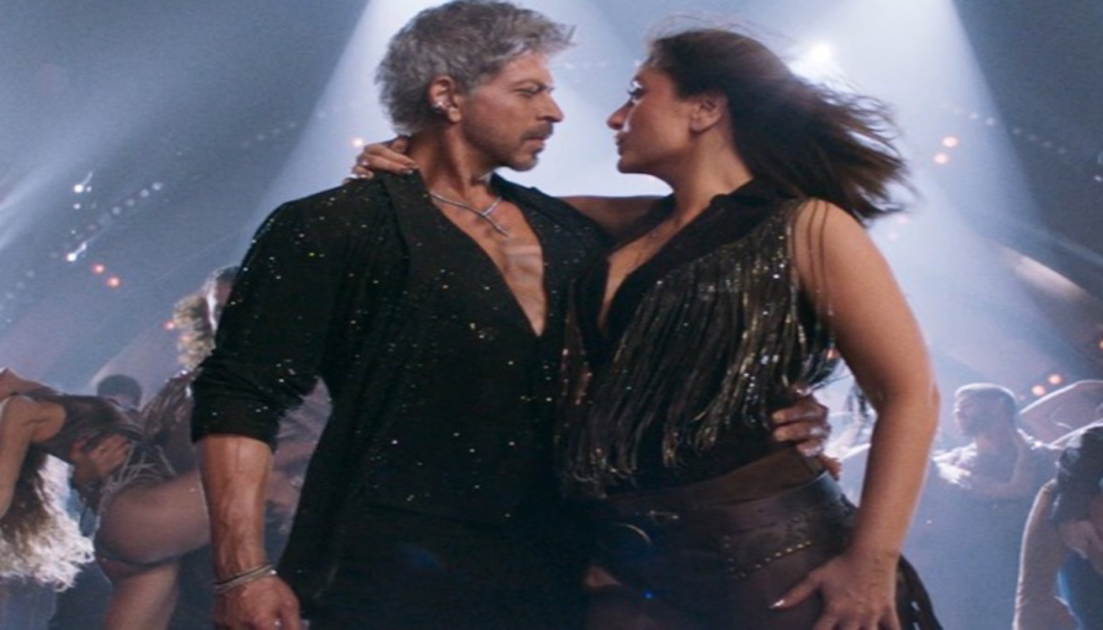
Bollywood nostalgia has found a particularly entertaining expression with the release of ‘Daddy Cool (King Version)’, the latest musical offering from Shah Rukh Khan’s much-anticipated film King. Bringing together Shah Rukh Khan and Kareena Kapoor Khan on screen for the first time in 15 years, the energetic dance number has given audiences an opportunity to revisit a pairing that has delivered several memorable moments in Hindi cinema. With its retro-inspired musical arrangement, vibrant choreography and contemporary Bollywood treatment of an internationally recognised disco classic, the song adds another exciting dimension to the growing anticipation surrounding Siddharth Anand’s upcoming directorial venture.
Released on November 27, 2026, ‘Daddy Cool (King Version)’ marks the reunion of two performers whose screen presence has frequently complemented one another. Their last appearance together was in the 2011 science-fiction action film Ra.One, making this collaboration particularly meaningful for audiences who have followed their cinematic journeys over the years.
The new song is more than a conventional promotional release. It combines the familiarity of an internationally celebrated musical composition with the entertainment-driven spectacle associated with mainstream Hindi cinema. Shah Rukh brings his unmistakable flamboyance to the performance, while Kareena contributes the confidence, glamour and expressive personality that have helped establish her as one of Bollywood’s most recognisable leading actresses.
For King, the song represents another opportunity to demonstrate its musical versatility. Having previously introduced audiences to a romantic musical atmosphere through ‘Tu Mil Jaaye’, the film now shifts towards an upbeat, celebratory dance number. The contrast suggests that the soundtrack is designed to explore different emotional and entertainment registers rather than remain confined to a single musical identity.
Shah Rukh Khan and Kareena Kapoor Recreate the Magic After 15 Years
Some Bollywood partnerships become memorable because of the films they headline, while others remain relevant because of the chemistry their performers bring to the screen. Shah Rukh Khan and Kareena Kapoor belong to the latter category.
Their association stretches across several successful and culturally memorable productions, including Asoka, Kabhi Khushi Kabhie Gham and Ra.One. Each collaboration presented a different dimension of their screen relationship, allowing audiences to experience them in contrasting cinematic settings.
Their reunion in ‘Daddy Cool’ is particularly significant because it brings together two actors whose careers have continued to evolve considerably since their last appearance together.
When Ra.One arrived in cinemas in 2011, Shah Rukh was exploring the possibilities of technologically ambitious Indian superhero cinema. Kareena, meanwhile, was enjoying a particularly successful period in her career, with her performances and commercial releases establishing her as one of the industry’s leading actresses.
Fifteen years later, both performers occupy different positions in the entertainment landscape. Shah Rukh has further strengthened his international recognition, while Kareena has successfully balanced mainstream commercial cinema with projects that showcase different aspects of her acting abilities.
Their appearance together therefore carries an element of familiarity without feeling like a simple recreation of an earlier period.
Instead, ‘Daddy Cool’ offers audiences an opportunity to see how an established Bollywood pairing can return with renewed energy.
The passage of time also contributes to the appeal. Film audiences often develop emotional associations with particular actor combinations, especially when those combinations are connected to songs, dance sequences or memorable cinematic experiences. Bringing two familiar performers together after a lengthy interval can revive those associations almost immediately.
In this case, the reunion is accompanied by a musical choice that deliberately embraces nostalgia.
‘Daddy Cool’: Giving a Global Disco Classic a Bollywood Identity
One of the most interesting aspects of the song is its connection to Boney M.’s internationally recognised disco hit ‘Daddy Cool’.
Originally performed by the celebrated music group Boney M., the song became one of the defining international dance tracks of the 1970s. Its distinctive rhythm, memorable refrain and infectious arrangement helped it achieve recognition across different countries and generations.
The original composition was written by Frank Farian and George Reyam. Its enduring popularity has made it a familiar musical reference point even for listeners who may not have experienced the disco era firsthand.
The decision to reinterpret such a recognisable composition for King is an interesting creative choice.
Bollywood has a long history of drawing inspiration from international music, adapting familiar melodies and incorporating global sounds into Indian film compositions. These musical exchanges have helped Hindi cinema develop a distinctive soundtrack identity that frequently combines Indian instrumentation, Western influences and contemporary production techniques.
However, revisiting a globally familiar song requires more than simply reproducing its original arrangement.
A successful adaptation needs to preserve the qualities that made the original memorable while creating enough new material to establish an independent identity.
‘Daddy Cool (King Version)’ approaches this challenge through a Bollywood-oriented presentation. The composition retains its connection to the original while introducing Hindi lyrics, contemporary production and a fresh vocal interpretation.
The result is designed to appeal to listeners who already recognise the original track as well as younger audiences discovering the melody through Shah Rukh and Kareena.
It also highlights the continuing relationship between nostalgia and contemporary entertainment. Familiar music can create an immediate emotional connection, but its reinterpretation allows that connection to reach audiences in a different cultural and cinematic context.
Sachin-Jigar Bring Their Musical Interpretation to King
The new version has been composed by Sachin-Jigar, the musical duo known for their versatility across contemporary Hindi film music.
Their involvement adds another dimension to the soundtrack of King, particularly because the composition requires a balance between recognisable musical elements and the energetic requirements of a modern Bollywood dance sequence.
The duo has developed a reputation for working across different musical moods, ranging from romantic compositions and emotionally expressive songs to energetic commercial numbers.
For ‘Daddy Cool’, the challenge is to maintain the playful character of the original while giving the track a sound suitable for a contemporary Hindi film.
The arrangement draws attention to the song’s dance-oriented identity, making rhythm and performance central to its appeal.
Rather than treating the original as a purely nostalgic musical reference, the new composition positions it within the larger entertainment framework of King.
The Hindi lyrics have been written by Kumaar, whose contribution helps establish a new lyrical identity for the adaptation.
This is particularly important when adapting a song that already has an established international identity. Hindi lyrics need to work naturally with the rhythm while remaining accessible and engaging for the intended audience.
The combination of Sachin-Jigar’s composition and Kumaar’s writing gives the track its own Bollywood character without disconnecting it from its musical inspiration.
Arijit Singh and Shilpa Rao Add Their Voices to the Dance Number
Another notable element of ‘Daddy Cool (King Version)’ is its vocal combination.
Arijit Singh and Shilpa Rao have lent their voices to the new composition, bringing together two singers with distinct musical identities.
Arijit has become one of the most recognisable voices in contemporary Indian cinema. His popularity is closely associated with emotionally expressive romantic songs, although his work also includes energetic compositions and tracks that explore different vocal styles.
Shilpa Rao, meanwhile, has established herself as a versatile performer whose voice has contributed to several memorable Hindi film soundtracks.
Their participation gives the new version an interesting vocal dynamic.
The track also retains the connection to Boney M. through the original English vocals, acknowledging the musical foundation on which the adaptation is built.
The original performers and songwriters are credited in the official musical information, reflecting the importance of recognising the composition’s international origins.
For audiences, the combination of familiar English elements and newly recorded Hindi vocals creates a bridge between the original disco experience and the contemporary Bollywood interpretation.
It is also a reminder of how film music can introduce older international compositions to audiences who might otherwise encounter them only through playlists, radio broadcasts or nostalgic music collections.
Vaibhavi Merchant Choreographs the Star Reunion
A major Bollywood dance number depends on more than its music and performers. Choreography plays an equally important role in translating the composition into a visual experience.
For ‘Daddy Cool’, the choreography has been handled by Vaibhavi Merchant.
Merchant has been associated with several prominent Hindi film dance sequences and is recognised for her ability to create performances that combine theatrical expression, movement and cinematic presentation.
Her involvement is particularly relevant to a song featuring two established stars.
Shah Rukh Khan and Kareena Kapoor have different performance styles, and bringing them together requires choreography that allows both personalities to remain recognisable.
Shah Rukh’s dance performances have traditionally drawn attention to his expressive gestures, distinctive movements and ability to communicate enthusiasm through physical performance.
Kareena, meanwhile, brings a confident screen presence and an individual approach to dance that has remained an important part of her commercial film identity.
The choreography needs to accommodate these qualities while maintaining the song’s overall rhythm.
The resulting sequence embraces the celebratory atmosphere expected from a mainstream Bollywood dance number.
For audiences, the attraction is not simply watching two celebrities perform together. It is seeing two familiar screen personalities participate in a musical setting that allows their individual styles to complement one another.
Why Their Earlier Films Continue to Matter
The excitement surrounding ‘Daddy Cool’ is closely connected to the cinematic history Shah Rukh and Kareena share.
Their association began with films that explored very different genres and storytelling approaches.
In Santosh Sivan’s Asoka, the two actors appeared in a historical romantic drama inspired by the life of the Mauryan emperor Ashoka. The film offered a visually distinctive presentation of an important historical period, with Shah Rukh portraying the central character and Kareena appearing as Kaurwaki.
Their collaboration continued with Kabhi Khushi Kabhie Gham, one of the most recognisable family dramas in modern Hindi cinema.
Directed by Karan Johar, the film featured an ensemble cast and explored themes of family, relationships, tradition and reconciliation.
Kareena’s portrayal of Pooja, affectionately known as Poo, became a particularly enduring part of popular culture.
Her character’s confidence, fashion choices, memorable dialogue delivery and distinctive personality helped make Poo one of the most recognisable characters in mainstream Bollywood.
Shah Rukh, meanwhile, played Rahul Raichand, a character whose emotional journey formed the central foundation of the family drama.
Although their characters occupied different positions within the narrative, the film established a memorable association between the performers.
Their subsequent collaboration in Ra.One introduced audiences to another genre.
The science-fiction action film attempted to combine superhero storytelling, advanced visual effects, music and family entertainment within an ambitious Bollywood production.
Shah Rukh played the central superhero character, while Kareena appeared as Sonia Subramanium.
The film’s soundtrack also produced ‘Chammak Challo’, a song that became one of the most recognisable musical moments associated with the project.
That history gives the reunion in ‘Daddy Cool’ an additional layer of significance.
It is not simply a new pairing created for promotional purposes. It reconnects audiences with performers who have shared several cinematic experiences across different stages of their careers.
From ‘Chammak Challo’ to ‘Daddy Cool’: A Musical Connection
For many viewers, the most immediate musical association between Shah Rukh and Kareena remains ‘Chammak Challo’ from Ra.One.
The song became widely recognised for its energetic composition, distinctive vocal performance and memorable presentation.
It also demonstrated how a Bollywood soundtrack could incorporate international musical influences while retaining the visual and performance traditions of Hindi cinema.
‘Daddy Cool’ arrives with a similar opportunity to create a recognisable musical moment.
Both tracks draw attention to the relationship between music, choreography and star appeal.
However, their musical identities are different.
‘Chammak Challo’ became associated with the contemporary sound of its release period, while ‘Daddy Cool’ deliberately draws inspiration from an earlier disco era.
The difference gives the new track an opportunity to appeal to multiple generations.
Older listeners may recognise the original Boney M. composition, while younger audiences may associate it primarily with the new King promotional campaign.
This generational crossover is one of the reasons nostalgic music continues to be commercially attractive.
A familiar melody can connect people who otherwise have very different musical preferences.
When that melody is combined with two major Bollywood stars, the resulting collaboration gains an additional layer of cultural recognition.
Shah Rukh Khan’s Evolving Screen Persona
Shah Rukh Khan’s presence in ‘Daddy Cool’ also reflects the versatility that has remained central to his popularity.
Over the course of his career, the actor has successfully moved between romantic dramas, family entertainers, action films, thrillers and large-scale commercial productions.
His screen identity has frequently been associated with romance, but his performances in films such as Don, Ra.One, Chennai Express, Jawan and Pathaan demonstrate his ability to embrace different cinematic styles.
King represents another significant project in this evolving journey.
The film brings him back together with director Siddharth Anand, following their collaboration on Pathaan.
Their previous film became an important commercial milestone and contributed to the renewed prominence of large-scale Hindi action cinema.
With King, the filmmaker and actor are once again working within a cinematic framework that places considerable emphasis on scale, performance and entertainment.
The release of ‘Daddy Cool’ demonstrates that the film’s promotional campaign is not relying exclusively on action-oriented imagery.
Instead, it is presenting audiences with different aspects of Shah Rukh’s screen personality.
The actor’s musical performances have always been an important component of his relationship with audiences.
His ability to transition from emotionally expressive romantic songs to energetic dance numbers has helped maintain his association with Bollywood’s musical traditions.
‘Daddy Cool’ provides another opportunity to celebrate that quality.
Kareena Kapoor Khan’s Continued Glamour and Screen Appeal
Kareena Kapoor Khan’s appearance is equally important to the song’s appeal.
Since making her acting debut in Refugee, Kareena has built a career that includes commercial blockbusters, romantic dramas, comedies, family entertainers and critically discussed performances.
Her filmography includes Kabhi Khushi Kabhie Gham, Jab We Met, Omkara, 3 Idiots, Bodyguard, Heroine, Veere Di Wedding and Crew.
One of the defining features of her career has been her ability to move between different screen identities.
She has portrayed characters who are outspoken and confident, emotionally vulnerable, humorous, ambitious and complicated.
Her performance as Geet in Jab We Met remains particularly influential in discussions about contemporary Bollywood heroines.
The character’s distinctive personality, memorable dialogue and emotional development helped establish a lasting connection with audiences.
Kareena has also remained an influential presence in Bollywood fashion and popular culture.
Her appearances in songs and promotional campaigns frequently generate attention because of her recognisable style and confidence in front of the camera.
Her return alongside Shah Rukh in ‘Daddy Cool’ therefore offers more than a nostalgic reunion.
It brings two established stars together at a time when both continue to attract considerable public interest.
For Kareena, the special appearance also adds another interesting association to a career that has consistently embraced different kinds of commercial cinema.
King Expands Its Musical World With a Second Song
The release of ‘Daddy Cool’ follows the unveiling of ‘Tu Mil Jaaye’, the first musical offering from King.
Released on November 2, coinciding with Shah Rukh Khan’s 61st birthday, the earlier track featured Shah Rukh alongside Deepika Padukone.
Its musical presentation offered a more romantic atmosphere, providing audiences with a different impression of the film’s soundtrack.
The song featured vocals by Arijit Singh and Madhubanti Bagchi, alongside an English rap contribution written by Ed Sheeran.
With ‘Daddy Cool’, the soundtrack moves into a considerably more energetic musical territory.
This contrast is an interesting aspect of the film’s promotional strategy.
Instead of introducing King through a single musical identity, the makers are gradually presenting different moods and performance combinations.
The first song emphasised romance, while the second focuses on dance, nostalgia and star chemistry.
Such variation can be particularly valuable for a film with an expansive ensemble cast.
It allows the promotional campaign to highlight different performers while giving audiences a broader impression of the film’s entertainment possibilities.
The involvement of Shah Rukh with both Deepika and Kareena also brings together two familiar screen partnerships within the same project.
For Bollywood audiences, these combinations naturally generate interest because of the actors’ previous collaborations and established popularity.
Siddharth Anand’s King: A Major Christmas Release
At the centre of the growing excitement is King, directed by Siddharth Anand.
The filmmaker has established himself through large-scale commercial productions that frequently combine action, spectacle and recognisable Bollywood entertainment elements.
His filmography includes War, Bang Bang! and Pathaan, among other projects.
His collaboration with Shah Rukh on Pathaan was particularly significant, bringing the actor back into the centre of a major action-driven theatrical release.
King reunites the two for another ambitious production.
The film is produced by Red Chillies Entertainment and Marflix Pictures, with Gauri Khan and Mamta Anand associated with its production.
The ensemble cast includes several prominent performers.
Alongside Shah Rukh Khan, the film features Suhana Khan, Deepika Padukone, Abhishek Bachchan, Rani Mukerji, Anil Kapoor, Jackie Shroff, Arshad Warsi, Jaideep Ahlawat and Raghav Juyal, among others.
Kareena Kapoor Khan features in a special appearance, adding another familiar face to the film’s extensive cast.
The project is scheduled for a worldwide theatrical release on December 24, 2026.
Its Christmas release date places it within a commercially important theatrical period, when audiences often look for major entertainment releases suitable for group and family outings.
The combination of an established director, a prominent lead actor and an expansive cast has already made the project one of the more closely watched upcoming Hindi films.
The music releases are helping maintain that attention as the theatrical premiere approaches.
Why Nostalgia Remains Such a Powerful Bollywood Marketing Tool
The response to ‘Daddy Cool’ also reflects a wider trend in the entertainment industry: the continuing popularity of nostalgia-driven content.
Audiences frequently develop strong emotional connections with songs and films from earlier periods.
These connections are not necessarily limited to the original release generation.
A song heard during childhood may become meaningful because of family memories, while a classic composition discovered years later can develop an entirely new audience through streaming platforms and social media.
Bollywood has repeatedly drawn on this cultural relationship.
Older songs are frequently reinterpreted, remixed or incorporated into contemporary film soundtracks.
Sometimes these adaptations introduce familiar compositions to younger listeners. In other instances, they encourage older audiences to revisit music associated with particular periods of their lives.
The success of such musical projects depends on how effectively the new version balances familiarity and originality.
There is a difference between simply reproducing a popular melody and creating a new cinematic experience around it.
The presence of Shah Rukh and Kareena gives ‘Daddy Cool’ an additional advantage because their reunion itself is rooted in nostalgia.
The song therefore combines two familiar elements: an internationally recognised disco composition and an established Bollywood screen pairing.
This combination creates a promotional identity that audiences can immediately understand.
It also demonstrates how contemporary film marketing increasingly operates through multiple cultural references rather than relying exclusively on a film’s storyline.
The Importance of Music in Building Anticipation for King
Film songs remain an essential part of Bollywood’s relationship with its audiences.
Although the way people consume music has changed considerably, soundtracks continue to influence how films are discussed, remembered and promoted.
A memorable song can establish a film’s identity before audiences know much about its narrative.
Dance numbers, romantic tracks and emotionally expressive compositions each contribute different elements to the promotional experience.
In the case of King, the first two releases suggest an intention to explore several musical directions.
‘Tu Mil Jaaye’ introduces a romantic dimension, while ‘Daddy Cool’ embraces a more celebratory and nostalgic atmosphere.
The presence of multiple prominent performers also creates opportunities for the soundtrack to attract listeners with different musical preferences.
Arijit Singh’s participation in both musical releases adds continuity, while Shilpa Rao’s contribution to ‘Daddy Cool’ introduces another familiar voice.
Sachin-Jigar’s involvement across the compositions further connects the musical presentation.
For the audience, this gradual unveiling creates anticipation about what other musical moments the film may offer.
It also allows King to remain part of entertainment conversations in the weeks leading up to its theatrical release.
A Reunion That Celebrates Bollywood’s Musical Tradition
Perhaps the most appealing quality of ‘Daddy Cool’ is its ability to bring together several elements that have traditionally made Bollywood dance numbers popular.
There is an internationally recognised melody, two established performers, an energetic composition, memorable choreography and the visual appeal of a large-scale film production.
The song also draws attention to the enduring relationship between Bollywood and international music.
Hindi cinema has always been receptive to musical influences from different parts of the world. Over the decades, these influences have been incorporated into songs that reflect changing tastes, technologies and cultural experiences.
The disco era, in particular, left a lasting impression on Indian popular music.
Its energetic rhythms, dramatic arrangements and dance-oriented identity influenced numerous compositions and film sequences.
Revisiting Boney M.’s ‘Daddy Cool’ therefore offers an opportunity to reconnect with a musical period that continues to influence contemporary entertainment.
The addition of Shah Rukh and Kareena makes that experience distinctly Bollywood.
Their screen reunion brings together memories of earlier films while presenting audiences with a new musical collaboration.
It is this combination of familiarity and renewed energy that gives the song its appeal.
What ‘Daddy Cool’ Means for the Growing Excitement Around King
With its release, ‘Daddy Cool (King Version)’ has added another talking point to the promotional campaign surrounding Siddharth Anand’s upcoming film.
The song highlights the film’s musical diversity, introduces Kareena’s special appearance and reunites her with Shah Rukh after a considerable gap.
It also demonstrates the makers’ willingness to use familiar musical references while creating a contemporary cinematic presentation.
For Shah Rukh, the track provides another opportunity to revisit the dance-oriented side of his screen persona.
For Kareena, it marks a welcome return alongside a co-star with whom she has shared several memorable cinematic experiences.
For audiences, it offers a nostalgic reminder of Asoka, Kabhi Khushi Kabhie Gham and Ra.One, while introducing a new collaboration connected to one of the year’s most anticipated releases.
The song’s international musical inspiration further broadens its appeal, connecting generations through a composition that has remained recognisable for decades.
With King scheduled to arrive in cinemas worldwide on December 24, the release of ‘Daddy Cool’ adds momentum to the film’s countdown.
Whether audiences are drawn by the reunion, the music, the choreography or the film’s impressive ensemble, the song has succeeded in placing two familiar Bollywood personalities back together in the spotlight.
Fifteen years after Ra.One, Shah Rukh Khan and Kareena Kapoor Khan are sharing the screen again, proving that certain Bollywood combinations can retain their appeal even after lengthy intervals.
And with a disco classic providing the soundtrack, their return is certainly an entertaining way to bring a little old-school magic into contemporary Hindi cinema.