 by
by Fashion at the Met Gala has always been more than clothing. It is performance, symbolism, storytelling, and cultural conversation woven into fabric. Every year, celebrities and designers step onto one of the world’s most watched red carpets with looks intended not simply to impress but to communicate ideas. At the Met Gala, garments often become visual essays—expressions of history, identity, politics, and artistic vision.
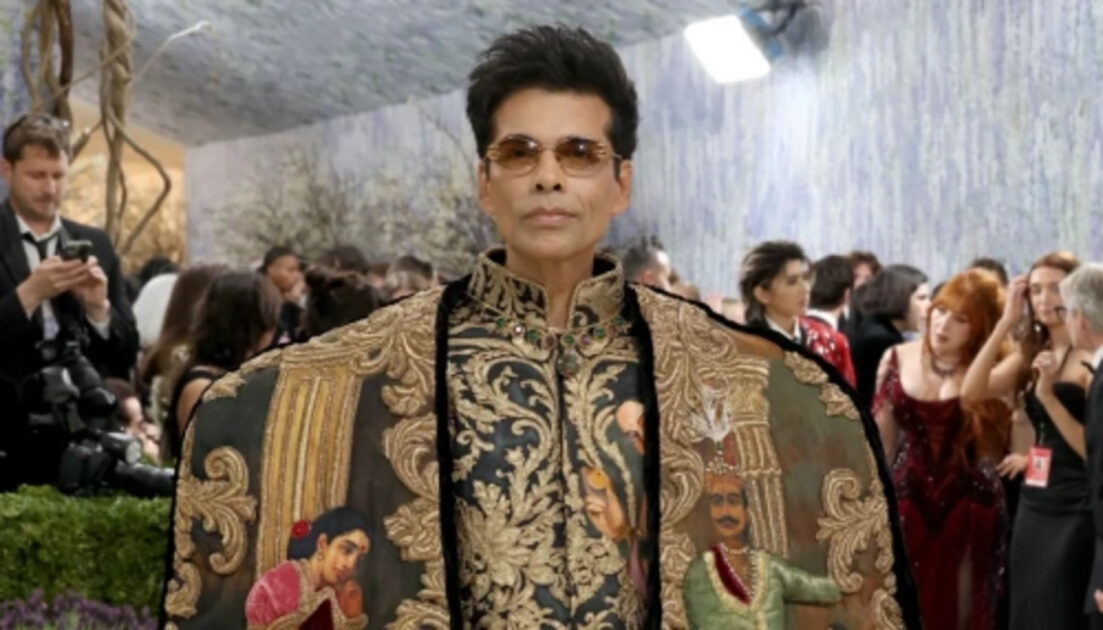
In 2026, Karan Johar ensured that his Met Gala debut would not merely be remembered as another celebrity fashion appearance. Instead, he transformed his presence into a celebration of Indian artistry and heritage. Dressed in a remarkable creation by Manish Malhotra and styled by Eka Lakhani, Karan stepped onto the global stage wearing an ensemble that blurred the boundaries between fashion and fine art.
Inspired by the legendary painter Raja Ravi Varma, the dramatic outfit was described as a moving canvas—an artistic interpretation of India’s rich visual heritage translated into couture. Rather than relying on spectacle alone, the ensemble carried historical depth, artistic symbolism, and emotional storytelling.
The look immediately sparked admiration online, with fashion enthusiasts, cultural observers, and entertainment audiences discussing not only its visual grandeur but also the significance of presenting Indian artistic traditions through contemporary fashion.
Karan Johar’s appearance represented something larger than style. It reflected an evolving global conversation where fashion increasingly serves as a medium for cultural representation and identity.
A Debut Built on Storytelling Rather Than Trends
For years, Karan Johar has occupied a distinctive place in Indian popular culture. Beyond his work as a filmmaker and producer, he has become known for his personal style choices and appreciation for fashion.
Whether appearing on television, attending industry events, or presenting awards, Karan has consistently embraced experimentation.
His wardrobe has often reflected confidence and theatricality, combining luxury fashion with individuality.
Yet the Met Gala demanded something different.
The event’s red carpet operates according to an entirely separate language. Traditional celebrity dressing gives way to thematic interpretation, conceptual storytelling, and bold artistic risk.
Rather than choosing a straightforward couture look focused solely on glamour, Karan’s team approached the event as a cultural statement.
The result was an ensemble that extended beyond aesthetics.
It became narrative fashion.
Every detail appeared constructed with intention.
Every visual element contributed to a larger artistic framework.
Instead of merely wearing a garment, Karan embodied a story.
Raja Ravi Varma: The Artistic Inspiration Behind the Ensemble
At the center of this remarkable look stood one of India’s most celebrated artistic figures: Raja Ravi Varma.
Few painters transformed Indian visual culture as profoundly as Varma did.
His works bridged classical Indian themes with European artistic techniques, creating paintings that remain deeply recognizable even generations later.
His portrayals of mythological figures, royal women, literary characters, and epic narratives continue influencing Indian aesthetics across cinema, advertising, fashion, and popular culture.
Paintings such as Hamsa Damayanti, Kadambari, and Arjuna and Subhadra are remembered for their emotional depth and intricate visual storytelling.
Rather than merely illustrating stories, Varma created imagery that shaped collective imagination.
His representations became cultural memory.
The decision to use Raja Ravi Varma as the central inspiration transformed Karan’s Met Gala look from fashion into artistic homage.
The ensemble did not simply reference paintings.
It reinterpreted them.
Through textile artistry and couture techniques, classic imagery found contemporary expression.
The result created a bridge between historical art and modern fashion.
Fashion as a Moving Canvas
One of the most compelling descriptions associated with the outfit came from its characterization as a “moving canvas.”
The phrase perfectly captured the essence of the ensemble.
Traditionally, paintings remain confined to walls and galleries.
Fashion, however, introduces movement.
It transforms static imagery into living expression.
As Karan walked, posed, and interacted, artistic references gained life.
The dramatic cape became central to this effect.
Far from functioning as a simple accessory, it served as an extension of the visual narrative.
Large sculptural elements and embroidered artistry transformed the garment into something closer to wearable exhibition design.
Painted panels integrated scenes inspired by Raja Ravi Varma’s iconic imagery.
The garment carried visual layers designed to unfold gradually.
From a distance, audiences experienced grandeur.
Closer observation revealed storytelling details.
Such design philosophy reflects a broader shift in contemporary couture.
Increasingly, designers are creating garments intended not merely for visual impact but for interpretive engagement.
People are invited to examine, decode, and experience fashion rather than simply observe it.
The Role of Manish Malhotra in Cultural Fashion Storytelling
For decades, Manish Malhotra has occupied a defining position within Indian fashion.
His influence extends beyond clothing into cinema, celebrity identity, and broader cultural aesthetics.
Throughout his career, he has repeatedly balanced traditional craftsmanship with modern reinterpretation.
Many designers create beautiful garments.
Fewer create pieces that simultaneously celebrate heritage and remain globally relevant.
Manish’s work frequently achieves this balance.
For Karan Johar’s Met Gala debut, the designer moved beyond conventional luxury aesthetics and embraced historical artistry.
The challenge was substantial.
International red carpets often reward novelty and theatrical spectacle.
Yet cultural storytelling requires restraint and authenticity.
Designers risk reducing heritage into surface decoration when attempting global presentation.
Instead, Manish approached Indian artistic history with depth.
Rather than simplifying cultural references, the design celebrated complexity.
Textile techniques, embroidery traditions, sculptural structures, and artistic imagery converged within a single ensemble.
This approach elevated the garment beyond costume.
It became curated expression.
The Intricacy of Zardozi and Craftsmanship
One of the most celebrated elements of the ensemble involved its use of zardozi embroidery.
Zardozi occupies a treasured place within South Asian textile traditions.
Historically associated with royal garments and ceremonial wear, the technique involves elaborate metallic embroidery requiring exceptional precision.
The process itself represents craftsmanship passed through generations.
Creating intricate patterns through handwork demands patience, technical skill, and artistic understanding.
In recent years, global fashion has increasingly celebrated artisanal techniques.
Yet many traditional crafts remain underrepresented internationally.
By incorporating zardozi into a major fashion event, the ensemble highlighted the value of Indian craftsmanship on one of fashion’s most visible platforms.
The embroidery served both aesthetic and symbolic functions.
Visually, it introduced texture and richness.
Conceptually, it honored artistic traditions embedded within Indian cultural history.
Each embroidered detail reinforced the ensemble’s larger message:
heritage itself can become couture.
Eka Lakhani’s Styling Vision
Fashion rarely emerges from a single creative mind.
Behind memorable celebrity appearances stands collaboration.
Stylist Eka Lakhani played an essential role in shaping the overall vision.
Her description of the outfit emphasized bringing together multiple Raja Ravi Varma works through sculptural details, quilting techniques, and intricate embroidery.
That approach reveals a sophisticated understanding of fashion storytelling.
Styling extends beyond selecting garments.
It involves visual architecture.
Hair, silhouette, accessories, movement, proportions, and thematic coherence collectively determine impact.
For a concept-driven event such as the Met Gala, styling decisions become even more critical.
Small details influence interpretation.
Lakhani’s approach ensured the artistic references remained integrated rather than fragmented.
The final presentation appeared cohesive.
Every component supported the larger narrative.
Nothing felt incidental.
Indian Representation on International Fashion Stages
Karan Johar’s appearance also contributes to a larger conversation regarding Indian representation in global spaces.
For years, international fashion platforms frequently framed Indian aesthetics through limited perspectives.
Traditional attire occasionally appeared reduced to exotic spectacle rather than appreciated as complex artistic expression.
Today that landscape continues evolving.
Indian designers, actors, and creative professionals increasingly participate as cultural contributors rather than peripheral figures.
Representation itself has shifted.
The goal is no longer merely visibility.
The emphasis now includes authenticity.
Karan’s Met Gala appearance reflected this transition.
Rather than adapting Indian identity to fit Western expectations, the ensemble centered Indian artistic traditions unapologetically.
The look did not minimize cultural references for broader accessibility.
Instead, it invited international audiences into Indian storytelling.
That distinction matters.
True cultural representation allows complexity rather than simplification.
Fashion and National Identity
Global red carpets increasingly function as spaces where cultural identity intersects with fashion.
Celebrities today often carry symbolic significance beyond individual style choices.
Their appearances can influence international perceptions.
Garments become conversations about heritage, history, and belonging.
Karan Johar’s ensemble reflected this evolving dynamic.
By presenting imagery inspired by Raja Ravi Varma and integrating traditional craftsmanship, the look operated as both personal expression and cultural statement.
Fashion scholars frequently argue that clothing communicates identity before words do.
Visual presentation influences interpretation instantly.
At international events, fashion choices sometimes function similarly to diplomacy.
They introduce audiences to cultural narratives.
Karan’s look embraced that possibility.
Rather than separating glamour from identity, it merged both.
Why Audiences Connected With the Look
The overwhelmingly positive reactions surrounding Karan’s appearance reveal changing audience preferences.
People increasingly seek meaning within celebrity fashion.
Spectacle alone no longer guarantees admiration.
Viewers often respond more strongly to authenticity and narrative depth.
Karan’s ensemble resonated because it balanced visual impact with emotional substance.
Audiences recognized artistic effort.
They appreciated cultural references.
They understood the celebration of Indian creativity.
Fashion discussions online reflected curiosity rather than superficial commentary.
People searched for Raja Ravi Varma references.
They discussed embroidery techniques.
They analyzed artistic symbolism.
That response illustrates fashion’s capacity to encourage cultural engagement.
A successful look does more than generate headlines.
It sparks conversation.
The Future of Cultural Couture
Karan Johar’s Met Gala debut may ultimately represent more than an individual fashion moment.
It may signal broader possibilities for future global fashion narratives.
As international audiences become increasingly interested in authenticity, designers may continue moving beyond trend-focused dressing toward historically rooted storytelling.
Cultural couture occupies a fascinating space.
When executed thoughtfully, it creates connections between heritage and innovation.
It allows fashion to preserve memory while imagining new forms of expression.
Karan’s ensemble demonstrated how traditional artistry can remain contemporary.
Rather than treating heritage as static, the look positioned culture as living creativity.
That approach may influence future red-carpet fashion across industries.
A Moment Where Art Walked the Red Carpet
Fashion often promises transformation.
But only occasionally does it achieve something larger—becoming art, history, and cultural conversation simultaneously.
Karan Johar’s Met Gala 2026 appearance accomplished precisely that.
Through Manish Malhotra’s design vision and Eka Lakhani’s styling direction, the ensemble transformed a red-carpet appearance into a celebration of Indian visual heritage.
Inspired by Raja Ravi Varma’s timeless imagery, enriched through zardozi craftsmanship, and presented through theatrical elegance, the look became more than clothing.
It became storytelling in motion.
At an event designed to celebrate creativity, Karan Johar did not merely arrive dressed for fashion.
He arrived carrying art.
And in doing so, he reminded global audiences that culture itself can become the most powerful statement on any stage.