 by
by Reality television has become one of the most fascinating forms of modern entertainment. Unlike scripted films and television dramas, reality shows promise something different: unpredictability. Viewers tune in not only to watch competitions unfold but to observe personalities under pressure, relationships being formed, emotional reactions, and the decisions contestants make when cameras never stop rolling.
That is exactly why every new celebrity entering a reality show becomes a talking point even before appearing on screen.
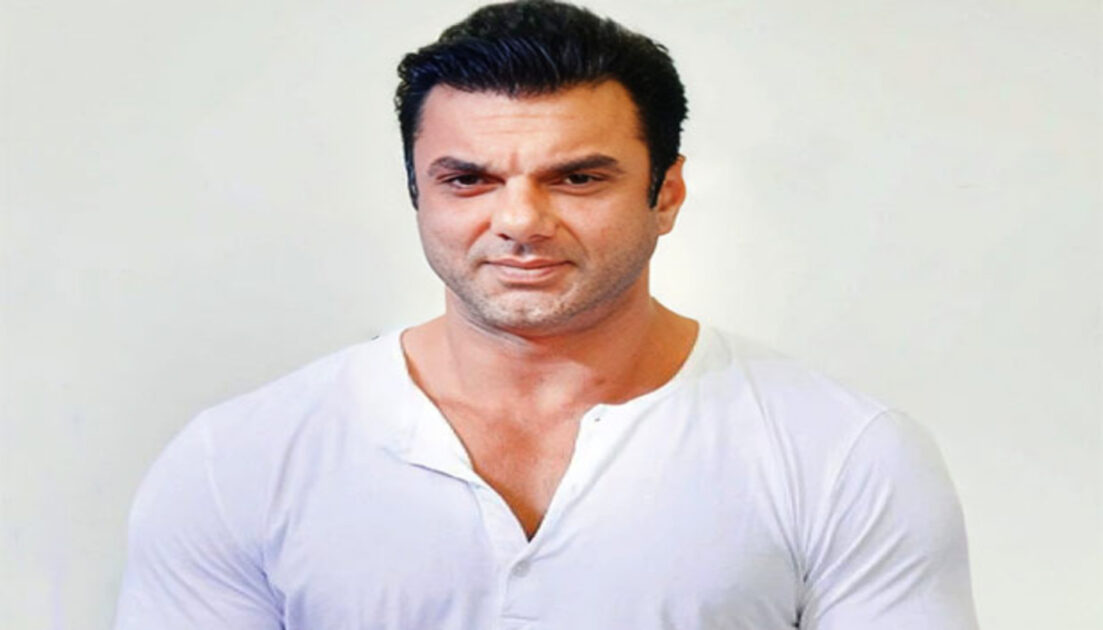
Actor, filmmaker, and producer Sohail Khan is all set to enter the ongoing season of Lock Upp: Sach Ya Saza, the reality format hosted by Riteish Deshmukh and Farah Khan. The season has already attracted attention because of its mix of entertainment personalities, unpredictable twists, and emotionally charged challenges.
Ahead of entering the show, Sohail opened up about his expectations and shared a surprisingly honest concern—he believes his straightforward personality may become his biggest weakness inside the competition.
Speaking candidly, Sohail admitted that he does not naturally lie, manipulate situations, or play strategic mind games. According to him, this could lead to an early exit because he tends to remain direct and genuine rather than calculating every move.
His statement immediately stood out.
At a time when contestants often enter reality shows projecting confidence and promising dramatic gameplay, Sohail chose vulnerability instead.
But can honesty actually survive inside a competitive reality environment?
That question makes his participation especially interesting.
Entering Reality Television Without a Strategy
One of the most common patterns in modern reality shows is preparation.
Contestants frequently spend time understanding previous seasons, observing audience reactions, and planning how they want to appear on camera. Some focus on becoming entertaining, some aim to become emotional favourites, while others openly embrace strategy.
Very few contestants admit that they do not know how to play.
Sohail’s comments created a different image.
Instead of portraying himself as someone entering with a master plan, he presented himself as someone entering naturally—someone who prefers reacting honestly rather than calculating outcomes.
That sounds admirable, but reality television rarely operates in such simple terms.
Inside these environments, conversations become gameplay.
Silence becomes strategy.
Friendships become alliances.
Even honesty becomes something others may question.
That is why contestants often struggle to remain exactly as they imagined before entering.
The Difference Between Honesty and Strategy
One interesting thing about Sohail’s statement is that it raises an important distinction.
People often treat honesty and strategy as opposites.
They are not.
Being strategic does not automatically mean being dishonest.
And being honest does not mean becoming passive.
Many successful reality contestants understand timing, communication, and emotional intelligence without lying or manipulating others.
Strategy can simply mean:
- understanding people
- protecting personal boundaries
- knowing when to speak
- choosing battles carefully
- adapting to changing situations
However, when audiences hear phrases like “I don’t know how to play games,” they often interpret them as signs of authenticity.
That perception can become powerful.
In reality television, public support sometimes matters just as much as competition.
Why Audiences Connect With Straightforward Contestants
Entertainment audiences have changed significantly over the years.
Viewers no longer only admire perfection.
Today’s audiences often appreciate people who appear emotionally real.
Social media has played a major role in this shift.
Celebrities are no longer viewed only through polished interviews and film appearances. Fans now expect openness, spontaneity, and moments that feel unscripted.
Reality television exists at the centre of this shift.
Audiences want to feel like they are seeing people beyond their public image.
That is why straightforward contestants often create strong emotional connections.
Even when they do not win.
People remember personalities who felt human.
By admitting fear before entering, Sohail introduced uncertainty into his own narrative—and uncertainty often makes contestants more relatable.
The Pressure of Living Under Constant Observation
One of the reasons reality shows produce unexpected behaviour is the environment itself.
Contestants live in unusual conditions.
Daily routines disappear.
Privacy disappears.
Normal communication changes.
Every action carries consequences.
Under these conditions, people begin adapting.
Someone quiet may become expressive.
Someone confident may become emotional.
Someone calm may become competitive.
This is why pre-show expectations rarely predict actual performance.
Reality television becomes a social experiment.
The cameras do not simply record people.
They influence people.
Knowing that every conversation could become public naturally affects behaviour.
This means Sohail’s current belief that he cannot play games may eventually be challenged by the experience itself.
Not because he becomes dishonest.
But because survival often requires adjustment.
Celebrity Identity Versus Real Identity
Actors entering reality shows face an additional challenge.
Most audiences already know them.
People carry assumptions.
Fans believe they understand their personality.
Reality shows complicate that image.
Suddenly, viewers begin analyzing ordinary interactions.
Who initiates conversations?
Who loses patience?
Who apologizes?
Who avoids conflict?
Reality television transforms everyday behaviour into entertainment.
That transition is not easy.
For celebrities especially, audiences often expect consistency between public image and personal behaviour.
If someone appears too strategic, viewers may criticize them.
If someone appears too emotional, viewers may question their strength.
If someone stays reserved, viewers may call them inactive.
There is constant pressure to remain visible.
Sohail entering with a naturally reserved and straightforward approach could therefore become both an advantage and a challenge.
Can Nice People Win Competitive Shows?
This is one of the oldest debates in reality entertainment.
Do good people survive?
Or do strategic people always dominate?
The answer is usually more complicated than either extreme.
Competition rewards adaptability.
But audiences reward emotional connection.
Many contestants who become memorable are not necessarily the strongest players.
Sometimes they simply become the most relatable.
Viewers appreciate people who stay consistent.
People who avoid unnecessary drama.
People who communicate openly.
At the same time, complete passivity rarely works.
Contestants still need to participate actively.
That balance between authenticity and awareness often determines success.
Why Vulnerability Has Become a Strength
Years ago, celebrities often avoided appearing uncertain.
Public culture rewarded confidence.
Today, vulnerability has become more accepted.
People appreciate public figures who admit fear, confusion, mistakes, and limitations.
Sohail’s statement reflects this change.
Rather than saying he is prepared to dominate the show, he openly admitted uncertainty.
That creates curiosity.
Viewers begin asking questions:
Will he remain the same?
Will competition change him?
Will others take advantage of him?
Will honesty become strength?
These questions create engagement long before the competition begins.
The Human Side of Competition
What makes reality television successful is not elimination.
It is identification.
People watch because they see parts of themselves.
Many people understand Sohail’s concern.
Outside television, people regularly ask:
Should I stay honest?
Will people misuse kindness?
Do straightforward people lose opportunities?
Do I need to become more strategic?
These are universal questions.
Reality shows simply dramatize them.
Contestants become symbols of everyday emotional experiences.
That is why viewers become invested.
They are not just watching celebrities.
They are watching ideas compete.
Expectations from Sohail Khan’s Journey
As Sohail enters Lock Upp: Sach Ya Saza, expectations are naturally building.
Some viewers may expect him to remain calm and grounded.
Others may hope to see a more competitive side emerge.
Some may simply want to observe how someone who openly rejects manipulation handles a format built around pressure and unpredictability.
Whatever happens, his participation has already created an interesting starting point.
He is not entering with declarations of unbeatable strategy.
He is entering with honesty.
And that alone feels different.
Another factor that may shape Sohail Khan’s journey is audience perception outside the house. Reality shows today are no longer limited to television episodes alone—every interaction quickly becomes a discussion point across social media platforms. Contestants are constantly interpreted, praised, criticized, and compared in real time. A straightforward personality can sometimes create stronger public support than aggressive gameplay. If Sohail remains true to the honest approach he has spoken about, viewers who value authenticity may connect with him more deeply. In many reality formats, emotional credibility often becomes just as powerful as strategy.
At the same time, entering a competition without manipulation does not mean entering without strength. Reality television repeatedly shows that resilience appears in different forms. Some contestants dominate through tactics, while others stand out through consistency and emotional balance. Sohail’s comments suggest that he values being genuine over controlling outcomes, and that choice itself may become his defining characteristic this season. Whether he exits early or surprises everyone by adapting naturally, his presence could remind audiences that not every contestant needs to play loudly to leave a lasting impression.
Final Thoughts
Sohail Khan’s admission that he may get eliminated early because he does not know how to lie or manipulate offers something unusual in the world of reality entertainment.
Instead of presenting confidence without limits, he acknowledged uncertainty.
That honesty may become a weakness inside the game.
Or it may become the very thing audiences connect with.
Reality shows often encourage bold moves, emotional reactions, and calculated decisions.
But viewers continue returning for one reason—they want moments that feel real.
Whether Sohail becomes an early exit, a surprise performer, or one of the season’s most talked-about contestants, his entry already highlights a larger question that extends beyond entertainment:
Can authenticity survive competition?
The answer may not depend on whether someone plays the game.
It may depend on whether they lose themselves while playing it.
And perhaps that is what makes this journey worth watching.