 by
by Introduction
In the age of social media, public opinion can change in a matter of hours. A celebrity who is criticized one week may become the subject of widespread sympathy the next. Hashtags emerge, narratives evolve, and millions of users participate in conversations that often rely more on perception than verified information. One such trend that recently captured the internet’s attention was “Sorry Hrithik.”
The phrase began circulating across social media platforms as users reflected on the years of scrutiny actor Hrithik Roshan faced following one of Bollywood’s most talked-about controversies. Many believed the actor had been unfairly judged by sections of the media and the public, prompting a wave of posts suggesting that the industry and audiences owed him an apology.
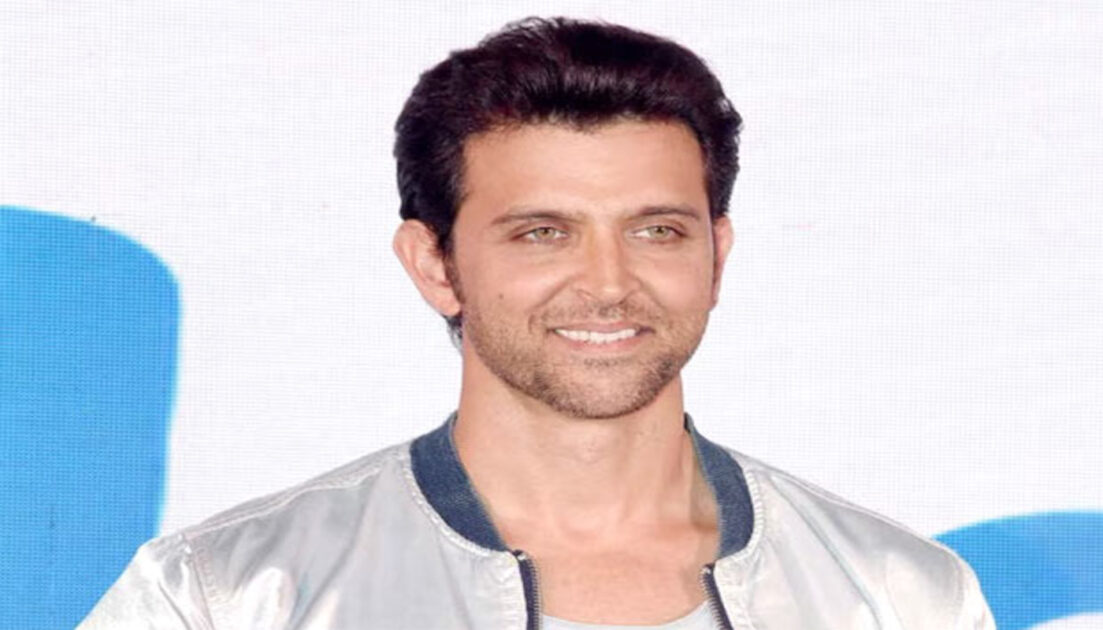
However, Hrithik Roshan himself chose a measured and thoughtful response. Instead of embracing the sudden support or celebrating the online trend, the actor commented on writer Freddy Birdy’s Instagram post with a statement that reflected restraint and maturity. He wrote that he would wait “for when the context to it is the right one, and motivated by facts.”
His response immediately became the focal point of discussions—not because it fueled the trend, but because it challenged the nature of viral culture itself. Rather than seeking validation from changing public sentiment, Hrithik emphasized the importance of evidence, context, and truth.
His words offered a rare glimpse into how a public figure can respond to digital narratives with patience rather than emotion, making the conversation far larger than celebrity gossip.
Understanding the “Sorry Hrithik” Trend
The “Sorry Hrithik” trend emerged organically on social media after renewed conversations surrounding controversies from the past. Users revisited years of headlines, interviews, legal exchanges, and media coverage involving Hrithik Roshan and began questioning whether public perception had been shaped more by speculation than established facts.
Across platforms like X (formerly Twitter), Instagram, and Reddit, thousands of posts argued that Hrithik had maintained a relatively restrained public stance despite being subjected to intense media scrutiny for years.
Many users highlighted several observations:
- Hrithik rarely gave sensational interviews.
- He generally communicated through official legal statements.
- He avoided prolonged public arguments.
- He focused primarily on his work and family.
- He seldom responded emotionally on social media.
As these observations gained traction, users began posting messages expressing regret for earlier assumptions, eventually leading to the phrase “Sorry Hrithik.”
Like many online movements, however, the trend reflected collective opinion rather than a judicial conclusion. It represented changing public sentiment—not necessarily new legal findings.
This distinction is precisely what Hrithik later highlighted through his own response.
Hrithik Roshan’s Response: A Lesson in Restraint
Instead of thanking supporters or encouraging the hashtag, Hrithik offered a calm and carefully worded reply.
His comment stated:
“I’ll wait, for when the context to it is the right one, and motivated by facts.”
Though brief, the statement carried significant meaning.
Rather than viewing public sympathy as a victory, Hrithik suggested that opinions should be based on verified information rather than emotional swings on social media.
His words reflected several important principles:
- Facts should precede conclusions.
- Public opinion can change rapidly.
- Viral trends should not replace evidence.
- Emotional validation is less important than objective truth.
Many observers praised the actor for refusing to capitalize on a movement that favored him. Instead of encouraging celebration, he redirected attention toward responsible discourse.
Why His Statement Resonated
One reason Hrithik’s comment attracted widespread appreciation was its timing.
In an era where online validation often becomes a form of currency, celebrities frequently acknowledge supportive trends with gratitude or promotional engagement. Hrithik chose a different path.
His response suggested that public opinion—even when positive—should not be accepted uncritically.
This approach reflected confidence rather than defensiveness.
Observers noted that he neither rejected the support nor fully embraced it. Instead, he emphasized that any conclusion should emerge from complete context and factual understanding.
Such restraint is increasingly rare in an environment where instant reactions often dominate headlines.
The Challenge of Social Media Narratives
Modern digital platforms reward speed.
Breaking news spreads within minutes.
Opinions form before investigations conclude.
Hashtags trend before detailed reporting appears.
As a result, narratives frequently evolve through repetition rather than verification.
The “Sorry Hrithik” trend illustrates how dramatically online conversations can shift.
Years ago, discussions surrounding the controversy generated extensive speculation and polarized opinions.
Today, many users are revisiting those same events through a different lens.
Neither phase necessarily represents complete certainty.
Instead, both demonstrate how public sentiment changes over time.
Hrithik’s response quietly reminded audiences that trends themselves should not become substitutes for factual analysis.
Celebrity Trials in the Court of Public Opinion
Public figures increasingly face parallel forms of judgment.
One occurs through formal legal or professional processes.
The other unfolds continuously on social media.
Often, the latter reaches conclusions much faster.
Celebrities can become heroes or villains based on incomplete information, edited clips, anonymous sources, or selective reporting.
Once a narrative gains momentum, reversing it becomes difficult.
Years later, changing opinions may generate apology campaigns or renewed criticism.
Hrithik’s situation reflects this broader cultural phenomenon.
His response suggested that lasting reputations should not depend solely on whichever hashtag happens to trend.
The Importance of Context
One of the most significant aspects of Hrithik’s statement is his use of the word “context.”
Facts rarely exist in isolation.
Events develop over time.
Statements acquire meaning through surrounding circumstances.
Selective information can dramatically alter public interpretation.
By emphasizing context, Hrithik encouraged audiences to examine complete timelines rather than isolated moments.
This perspective aligns with responsible journalism, where facts are verified, sources are examined, and developments are understood chronologically rather than emotionally.
Freddy Birdy’s Role in the Conversation
Writer and columnist Freddy Birdy has become known for sharing observations about Bollywood, media culture, and celebrity life through social media.
His Instagram post discussing the “Sorry Hrithik” trend became one of the central points around which the online conversation developed.
Rather than issuing a lengthy public statement independently, Hrithik chose to participate by commenting directly on Birdy’s post.
This understated approach reflected consistency with the actor’s communication style over the years.
Instead of organizing press conferences or releasing elaborate explanations, he expressed his position in a concise sentence that ultimately became more impactful than a lengthy statement.
A Reputation Built on Professionalism
Throughout his career, Hrithik Roshan has largely maintained a reputation for discipline and professionalism.
From his debut in Kaho Naa… Pyaar Hai to performances in films like Lakshya, Jodhaa Akbar, Zindagi Na Milegi Dobara, Super 30, and War, his public image has often centered on dedication to craft rather than controversy.
While personal disputes occasionally dominated headlines, his professional journey remained marked by preparation, transformation, and consistent performances.
Many fans believe this long-term professional conduct contributed to the renewed appreciation reflected in the “Sorry Hrithik” trend.
The Psychology Behind Public Apologies
Mass apology movements have become increasingly common online.
Sometimes they emerge after documentaries reveal overlooked evidence.
Other times they follow legal outcomes or newly surfaced information.
Psychologically, these trends represent collective reassessment.
People reconsider earlier beliefs and publicly acknowledge possible mistakes.
However, such movements can also become performative.
Individuals may participate because others are doing so rather than because they independently examined available information.
Hrithik’s response subtly addressed this concern by reminding audiences that facts—not popularity—should motivate opinions.
Why Celebrity Silence Is Often Misunderstood
Many celebrities choose silence during controversies for legal, personal, or emotional reasons.
Unfortunately, silence is often interpreted in conflicting ways.
Some perceive it as guilt.
Others view it as dignity.
In reality, silence may simply reflect legal advice or personal preference.
Hrithik largely maintained restraint throughout years of public discussion.
Only occasionally did he respond through official channels.
As online audiences revisit those years, some now interpret that restraint differently.
His recent comment reinforces the idea that measured communication can ultimately carry more credibility than constant public argument.
Media Responsibility in the Digital Age
Traditional media and social media increasingly influence one another.
News stories inspire online debates.
Online debates generate new headlines.
This cycle creates enormous pressure for speed.
Yet accuracy remains essential.
The “Sorry Hrithik” discussion highlights why responsible reporting matters.
Journalists must distinguish verified facts from speculation.
Audiences, meanwhile, benefit from consuming information from multiple credible sources rather than relying solely on viral content.
Hrithik’s emphasis on facts indirectly reinforces these journalistic principles.
The Broader Cultural Conversation
Beyond Bollywood, Hrithik’s response speaks to a universal challenge.
Whether discussing celebrities, politics, sports, or social issues, digital conversations often prioritize emotional engagement over evidence.
Algorithms reward outrage.
Nuance receives fewer clicks.
Complex realities become simplified into hashtags.
By encouraging factual context, Hrithik reminded audiences that responsible discussion requires patience.
His statement therefore resonated beyond entertainment news, touching on broader questions about digital citizenship and public accountability.
Fan Reactions and Industry Response
Following Hrithik’s comment, many fans praised the actor for demonstrating maturity rather than triumph.
Several users described his response as graceful, while others appreciated that he did not exploit the moment for public relations advantages.
Industry observers also noted that his wording reflected confidence.
Rather than seeking vindication, he appeared more interested in ensuring that any reassessment of past events was rooted in evidence.
This distinction strengthened the credibility of his response.
Lessons for Public Figures
Hrithik Roshan’s handling of the situation offers valuable lessons for anyone navigating public attention.
First, restraint can sometimes communicate more effectively than lengthy explanations.
Second, consistency matters. Public credibility is often built over years rather than through isolated statements.
Third, facts remain more durable than trends.
Finally, public validation, while emotionally satisfying, should never replace objective truth.
These lessons apply not only to celebrities but also to business leaders, influencers, journalists, and anyone participating in today’s digital landscape.
The Future of Celebrity Conversations Online
As artificial intelligence, algorithm-driven recommendations, and rapid information sharing continue to shape digital culture, conversations surrounding celebrities are likely to become even more complex.
Old interviews, archived footage, and historical controversies can resurface at any time.
Public opinion may continue to evolve rapidly.
The challenge for audiences will be balancing empathy with critical thinking.
For public figures, authenticity and patience may increasingly become valuable communication strategies.
Hrithik Roshan’s response demonstrates that a single thoughtful sentence can sometimes have greater long-term impact than dozens of emotional reactions.
Conclusion
The “Sorry Hrithik” trend illustrates how dramatically public opinion can evolve in the digital era. While many social media users expressed renewed appreciation for Hrithik Roshan and questioned earlier assumptions, the actor himself chose not to celebrate the changing tide. Instead, he reminded audiences that lasting conclusions should emerge from facts and proper context rather than viral momentum.
His statement—“I’ll wait, for when the context to it is the right one, and motivated by facts”—transformed what could have remained another fleeting social media trend into a broader conversation about responsibility, evidence, and integrity.
At a time when hashtags often shape public perception faster than verified information, Hrithik’s response serves as a reminder that truth requires patience. Whether discussing celebrities or broader societal issues, facts remain the strongest foundation for meaningful dialogue.
Ultimately, the episode is not merely about one actor or one viral hashtag. It reflects the evolving relationship between media, public opinion, and accountability in an increasingly connected world. Hrithik Roshan’s measured reaction underscores the importance of resisting the temptation to let trends dictate truth, encouraging instead a culture where evidence, context, and thoughtful reflection lead the conversation.