 by
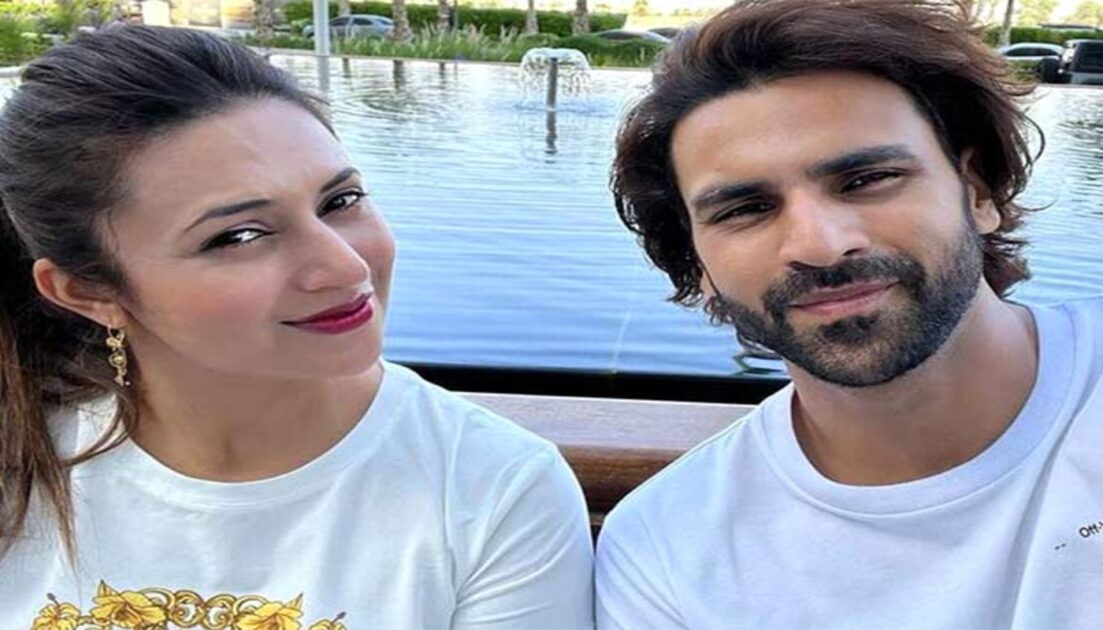
by For television audiences in India, Divyanka Tripathi and Vivek Dahiya have long represented something rare in celebrity culture: a relationship that feels warm, grounded, and emotionally believable. Over the years, they have not simply been admired as individual actors but embraced as a couple whose equation seems to combine affection, friendship, humor, and quiet resilience. That is why recent reports suggesting that the two are expecting their first child after nearly a decade of marriage have sparked such emotional excitement among fans. Multiple reports published on March 17, 2026 said the couple are set to become parents, with one report stating that Divyanka is in her second trimester and expected to welcome the baby in June, while an official announcement from the couple is still awaited.
What makes this reported development feel especially significant is not just the news itself, but the emotional history attached to it. Divyanka and Vivek are not a fleeting celebrity pair manufactured by publicity cycles or social media spectacle. They are a couple whose relationship unfolded in the public eye gradually and with a kind of emotional steadiness that television audiences often find deeply reassuring. Since their wedding in 2016, they have remained one of Indian television’s most beloved couples, admired not only for their chemistry but also for their ability to remain relatable in an industry frequently defined by rumors, reinvention, and relentless scrutiny. Their reported journey into parenthood, then, is being received not merely as celebrity news but as the continuation of a story many viewers feel invested in.
Part of the public affection surrounding Divyanka comes from the unique place she occupies in Indian television culture. She is not simply another popular face from the small screen. Over the years, she has built an image rooted in emotional sincerity. Whether through her performances, interviews, or public persona, she has often come across as someone viewers feel they know intimately, even if only through the mediated space of television. Her role in Yeh Hai Mohabbatein was central to this connection. In the show, she portrayed a woman whose emotional depth, maternal warmth, and layered strength left a lasting impact on audiences. That many reports have now drawn a symbolic line between her on-screen experience of playing a caring mother and her reported transition into motherhood in real life is not accidental.
That parallel, however, is worth examining with care. Celebrity culture often collapses the distinction between role and reality, projecting fictional traits onto real lives. Yet in Divyanka’s case, the response feels less like projection and more like an emotional narrative fans have built around her over time. For years, she has represented for many viewers a kind of emotional reliability that television itself often promises but does not always sustain. Her reported pregnancy has therefore become a site of public joy not only because a child may be on the way, but because fans perceive it as the arrival of a deeply deserved life chapter.
Vivek Dahiya’s presence in this story is equally important. The couple’s bond has long been admired because it seems mutually respectful rather than performatively glamorous. They met on the sets of Yeh Hai Mohabbatein, and like many beloved television romances, their relationship began in the proximity of work, collaboration, and everyday interaction rather than in the high-drama style often associated with celebrity love stories. Reports again noted that the two first connected while working on the show and later married on July 8, 2016. Over the years, the appeal of their marriage has rested on a balance that audiences are deeply drawn to: they appear affectionate without appearing curated to excess, supportive without appearing scripted, and public without feeling overexposed.
In the Indian entertainment ecosystem, where celebrity relationships are frequently dissected and judged, sustaining that kind of image is no small achievement. Public couples are rarely allowed the freedom to simply exist. They are expected to represent aspirational romance, ideal marriage, social stability, and often cultural respectability all at once. Divyanka and Vivek have, in many ways, fulfilled those expectations while still appearing emotionally human. They joke with each other, celebrate milestones, share glimpses of travel and everyday domesticity, and present a partnership that feels collaborative rather than hierarchical. That image has mattered. It has allowed fans to see them not just as stars but as companions navigating life together.
This is precisely why news of a first child after nearly ten years of marriage carries such emotional force. In public culture, there remains a strong tendency to treat parenthood as the next natural milestone after marriage, particularly for celebrities who are viewed as ideal couples. But what makes the present moment resonate is that it arrives after time, patience, and years of speculation. When famous couples have been married for many years, public discourse often becomes invasive, asking questions about children with troubling entitlement. Fans may be affectionate, but the broader celebrity ecosystem can be deeply intrusive. If the current reports are indeed true, then the significance of the moment lies not in fulfilling public expectation, but in the possibility that the couple are entering parenthood on their own timeline. That distinction matters.
Recent reports have framed the news with cautious optimism. One report said Divyanka is around six months pregnant and likely to welcome the baby in June, while also noting that the couple have not yet made an official statement. Another report similarly described the couple as expecting their first child, with a formal announcement still pending. That caution is important. In celebrity journalism, especially around pregnancy, rumors can quickly be mistaken for confirmed fact. The most responsible reading of the current situation is that several entertainment outlets have reported the news, but the couple themselves have not yet publicly confirmed it. Until they do, the story remains a reported development rather than an official declaration.
Even so, the excitement around the reports reveals much about the emotional structure of fandom. Fans do not merely consume celebrity updates; they build emotional timelines around them. A wedding becomes a shared memory. Anniversaries feel participatory. Public moments of affection become markers of perceived authenticity. Over time, the audience begins to narrate the couple’s story almost as if it were an extension of serialized television itself. In that sense, Divyanka and Vivek’s reported pregnancy has triggered the kind of collective happiness usually associated with long-awaited character arcs finally finding closure. This is one reason television actors occupy a very distinct emotional space in India. Unlike film stars, whose public images can feel distant and stylized, television actors often enter viewers’ homes daily and become woven into routines, relationships, and emotional memory.
Divyanka in particular has benefited from this intimacy. Her screen presence has long been associated with emotional accessibility. Fans have watched her through major career milestones, personal transitions, and evolving phases of public life. That sustained visibility produces a relationship with the audience that is deeply affective. When such a star reaches a new personal milestone, the response is rarely detached. It is celebratory, intimate, and often deeply sentimental.
At the same time, the current discussion also invites reflection on the pressures placed on actresses around motherhood. In Indian celebrity culture, pregnancy announcements often trigger a second wave of commentary: speculation about work commitments, body changes, public appearances, timelines, and future roles. Women in the entertainment industry are frequently expected to perform pregnancy in publicly acceptable ways — glowing but not excessive, private but not too private, visible but carefully curated. Motherhood is celebrated, but it is also monitored. That is why any conversation around Divyanka’s reported pregnancy should remain respectful and not slide into unnecessary scrutiny. The story is meaningful because it marks a possible new life phase, not because it grants the public access to every intimate detail of that phase.
There is another layer to this moment that deserves attention: the symbolic power of “first child after nearly a decade of marriage.” That phrase has emotional weight because it evokes time, endurance, and continuity. In a celebrity culture obsessed with immediacy, relationships that last are themselves treated as achievements. A decade of marriage suggests stability, adaptation, and emotional partnership that has survived both personal and professional change. For fans, the idea that a child may now be joining that long-built relationship adds a sense of narrative fullness. It does not imply that marriage without children is incomplete; rather, it reflects how audiences read family milestones within familiar social frameworks. The warmth of the response lies in the feeling that something cherished is expanding.
Media reports have also noted that both families are said to be preparing to welcome the baby, adding to the atmosphere of joy surrounding the news. That detail matters in the context of Indian celebrity reporting because family remains central to how personal milestones are culturally framed. Pregnancy is rarely narrated as an individual event alone. It is presented as a moment of collective happiness involving grandparents, relatives, traditions, rituals, and generational continuity. In this sense, the public excitement is not just about a celebrity baby but about the imagined extension of a family unit fans have long admired from afar.
There is, of course, also the question of how this possible new chapter may reshape the couple’s public image. Parenthood often changes the way celebrities are discussed, especially women. Actresses who once occupied the space of romantic leads are suddenly narrated through the language of nurturing, balance, home, and motherhood. This shift can be affectionate, but it can also be limiting. Divyanka’s long career should not be reduced to a single personal transition. If the reports are true, motherhood may become an important part of her life, but it does not replace the many identities she already holds: actor, performer, public figure, and one of television’s most enduring stars. The richness of her appeal lies precisely in the fact that she has never fit neatly into one role alone.
Similarly, Vivek’s place in the story should not be restricted to the conventional image of the supportive husband awaiting fatherhood. One reason fans respond so warmly to the pair is that their relationship appears genuinely companionate. Their equation suggests shared humor, partnership, and mutual encouragement. If parenthood is indeed the next step for them, many admirers will likely read it through that lens: not as a gendered transition in which one person becomes central and the other peripheral, but as a joint journey. That emotional equality is one of the reasons their marriage continues to feel modern even within a culture that often narrates celebrity domesticity in conventional ways.
It is also worth noting how such stories function within the television industry itself. Indian television thrives on emotional continuity, family narratives, and intimate audience connection. Real-life developments involving major TV stars often blur into the same emotional register as the shows they are known for. This is not inherently negative; it simply reflects the cultural texture of television stardom. Divyanka’s reported pregnancy is therefore not being discussed only as tabloid news. It is being absorbed into the emotional universe of Indian television fandom, where life events carry symbolic resonance beyond the personal.
The timing of the reports has also heightened anticipation. Since outlets have indicated that an official announcement may come soon, fan communities are now caught in a state of hopeful waiting. That waiting itself is part of celebrity culture. Public life often unfolds through rumors, confirmations, denials, and carefully timed announcements. Until the couple themselves speak, every update remains provisional. Yet the provisional nature of the news has not diminished the warmth of fan response. If anything, it has made the moment feel more tender, as though supporters are quietly gathering around a possibility they hope is true.
This also points to a broader truth about fame in the digital era: audiences increasingly seek emotional sincerity amid constant noise. Divyanka and Vivek remain popular not because they are the loudest celebrity couple, but because they have cultivated an impression of emotional honesty. Whether through interviews, social media posts, or public appearances, they have given viewers a sense of consistency. In a media environment saturated with manufactured virality, consistency itself becomes a powerful form of trust.
If the reports are accurate and the couple do welcome their first child in June, as one outlet suggested, this moment will likely become one of the most cherished milestones in their shared public journey. It will also reinforce the emotional durability of their fan base, which has stayed invested in them through changing trends, formats, and phases of the entertainment industry. But even beyond fan celebration, the story carries a gentler significance. It reminds us why some celebrity news resonates more deeply than others. Not all public milestones feel meaningful. The ones that do are attached to people audiences have come to trust emotionally.
In the end, the reported pregnancy of Divyanka Tripathi and Vivek Dahiya matters because it feels like the unfolding of a relationship that viewers have watched with affection for years. It is about continuity, tenderness, and the quiet power of a couple whose public image has never relied solely on glamour. It is about a possible new beginning after nearly a decade of marriage. It is about a television star once celebrated for portraying maternal warmth perhaps preparing to experience motherhood in real life. And it is about the kind of public joy that emerges when fans feel that people they admire are entering a deeply meaningful chapter.
For now, the most responsible position is one of warm anticipation. Multiple reports say the couple are expecting, and those reports have generated enormous excitement, but official confirmation is still awaited. If and when Divyanka and Vivek choose to share the news themselves, it will likely be received with the kind of affection only a truly loved television couple can inspire. Until then, the story remains a reported but hopeful one — and one that has already reminded fans how deeply some love stories, especially the steady ones, continue to matter.