 by
by The Cannes red carpet has long been one of the world’s most glamorous stages—a place where cinema, fashion, and celebrity culture collide under a storm of camera flashes. Every smile, pose, and glance is documented. Every movement is interpreted. And in the age of social media, even a few seconds of video can transform into an internet-wide debate.
That is exactly what happened when Bollywood actress Alia Bhatt found herself at the center of a viral online storm during the 2026 Cannes Film Festival. A brief clip from her red-carpet appearance sparked thousands of comments, memes, jokes, and heated opinions after viewers claimed she appeared to be “ignored” by photographers while waving and posing.
The moment quickly became much bigger than a few seconds on a red carpet. It evolved into a conversation about celebrity culture, internet narratives, fandoms, global recognition, and the speed at which social media can create a story—sometimes without the full picture.
Cannes: More Than a Film Festival
The 79th edition of the famed festival is taking place from May 12 to May 23 at the Palais des Festivals et des Congrès in Cannes, France. This year’s festival is presided over by South Korean filmmaker Park Chan-wook, widely known for critically acclaimed films like Oldboy and The Handmaiden.
Over the decades, Cannes has evolved beyond cinema. It has become a global fashion spectacle and cultural event where international celebrities, luxury brands, influencers, filmmakers, and media organizations compete for attention.
But attention itself is often selective.
And that selectiveness became the center of discussion after Alia Bhatt’s appearance.
The speed of online judgment also says something about changing audience behavior. People no longer consume celebrity content passively; they actively participate in shaping narratives. A few years ago, viewers might simply watch a red-carpet appearance and move on. Today, users freeze frames, dissect facial expressions, compare angles, and build entire stories around a single interaction. Social media has transformed audiences into commentators, detectives, and content creators. In many ways, celebrities are no longer just public figures being watched; they are characters in an ongoing digital conversation where every second can become material for entertainment.
Another interesting aspect of the viral reaction was the split between humor and empathy. While many users created memes and jokes, others defended Alia Bhatt and pointed out how uncomfortable such moments can feel. Many people admitted they had experienced similar social mishaps in everyday life—waving at someone who was not waving back, greeting the wrong person, or misreading a situation publicly. This relatability perhaps explains why the video gained such traction. Beneath the celebrity status and glamorous setting was a universally human experience: awkwardness, uncertainty, and the fear of feeling unnoticed.
As the Cannes Film Festival continues, this viral episode may eventually fade into the fast-moving cycle of internet trends. Another red-carpet moment, fashion statement, or celebrity interaction will likely take over social media discussions. Yet the incident leaves behind an interesting reminder about digital culture: viral moments often reveal more about audience behavior than the person at the center of them. Whether Alia Bhatt was genuinely ignored or simply caught in an unfortunate camera angle may matter less than the internet’s eagerness to transform fleeting seconds into a global spectacle.
The Viral Video That Started Everything
Alia Bhatt attended Cannes as a global ambassador for L’Oréal Paris and made her appearance in a soft coral-toned designer ensemble that instantly attracted fashion discussions online. However, it wasn’t the dress that ended up dominating conversations.
Instead, it was a short video clip.
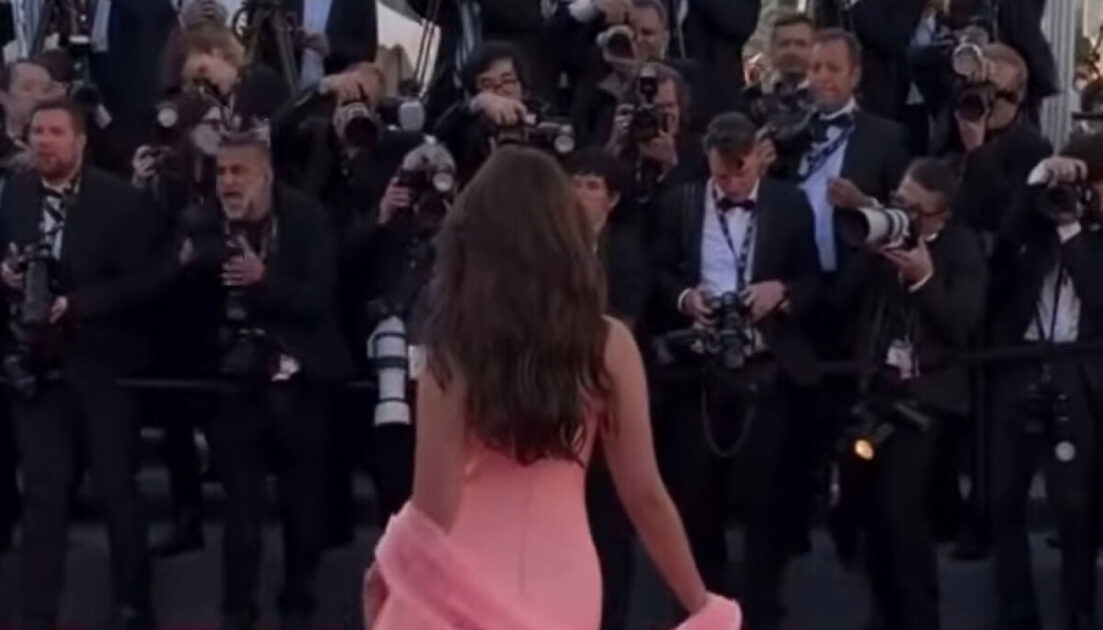
The footage showed Alia walking, smiling, waving, and posing while photographers stood nearby. Viewers on social media immediately claimed that the photographers did not seem interested in capturing her. Some users argued that cameras appeared directed elsewhere, while others felt she looked isolated on the carpet.
Within hours, the internet did what it does best: create narratives.
Screenshots spread across social media platforms. Users zoomed into frames, analyzed camera angles, and debated whether she was truly being overlooked or whether the footage simply captured an awkward moment out of context.
Soon, the comment sections transformed into a comedy arena.
“Who Is She Waving At?”: Social Media Gets Creative
Internet humor operates at extraordinary speed, and once the clip began circulating, users started producing reactions that ranged from playful to brutal.
Comments flooded platforms:
“Who is she waving at?”
“Even photographers looked confused.”
“Second-hand embarrassment just hit me.”
“Maybe she saw someone we can’t see.”
“The cameramen said: next please.”
Memes followed quickly.
Users inserted fictional characters into the scene, edited exaggerated reactions, and created humorous scenarios imagining photographers intentionally looking elsewhere. Others compared the moment to experiences many people have had in real life—waving at someone who wasn’t actually waving at them.
That universal awkwardness may explain why the clip resonated so strongly.
Everyone has experienced social embarrassment at some point.
People projected themselves onto the situation.
Why Viral Moments Often Ignore Context
One of social media’s most powerful characteristics is its ability to compress reality.
A five-second clip can become a complete narrative.
But reality rarely operates in five seconds.
Red carpets, especially at international events like Cannes, are chaotic environments. Hundreds of photographers shout instructions simultaneously. Celebrities are often directed by staff members regarding where to stand, when to move, and which camera positions to face.
Many viewers familiar with red-carpet culture pointed out that photographers frequently call celebrities from different angles at different moments.
A person might wave toward one section while another camera captures an entirely different perspective.
Without seeing the full sequence, audiences often create interpretations based on incomplete information.
This phenomenon is not unique to celebrities.
Modern internet culture increasingly consumes isolated moments rather than complete stories.
The Internet’s Obsession with “Embarrassing” Celebrity Moments
There is a reason these incidents spread rapidly online.
Audiences enjoy moments that make famous figures appear relatable.
Celebrities often exist in highly polished environments—carefully styled appearances, curated photos, planned interviews, and controlled public images.
Unexpected moments disrupt that image.
Suddenly, celebrities appear human.
An awkward wave.
A missed handshake.
A wardrobe mishap.
A strange facial expression captured mid-frame.
These incidents create a sense of authenticity because they reveal something unscripted.
For viewers, there is entertainment in witnessing imperfection.
For celebrities, however, such moments can become difficult because millions analyze actions that lasted mere seconds.
Celebrity Culture in the Meme Era
Years ago, awkward celebrity moments might have appeared briefly on television and disappeared.
Today, internet culture preserves everything.
Memes have transformed public memory.
A single frame can follow celebrities for years.
Modern fandom culture also contributes significantly to this phenomenon. Supporters and critics often engage in digital battles, interpreting content according to existing opinions.
Fans defended Alia immediately, arguing that the moment had been exaggerated and taken out of context.
Others insisted the situation reflected differences between regional and international celebrity recognition.
The debate became larger than the clip itself.
It transformed into conversations about fame and visibility.
Global Stardom and Different Audiences
The incident also sparked broader discussions regarding international celebrity recognition.
Alia Bhatt remains one of India’s most recognizable stars, with successful films, major endorsements, and enormous popularity across South Asia.
But global events operate differently.
Recognition levels vary dramatically depending on geography, media priorities, and event coverage.
At Cannes, photographers are often pursuing Hollywood actors, global musicians, award-winning filmmakers, luxury brand ambassadors, and major international personalities simultaneously.
That reality does not necessarily indicate disrespect.
It often reflects logistics and priorities.
Celebrity fame is not equally distributed across every audience.
Even internationally famous stars occasionally experience moments where attention shifts elsewhere.
The Double Standards Faced by Female Celebrities
The discussion also highlighted how female celebrities often face unusually intense scrutiny.
Women in entertainment frequently become subjects of analysis not only for their work but also for body language, expressions, clothing choices, reactions, and perceived confidence.
A small gesture can quickly evolve into endless speculation.
Would a male actor waving briefly on a red carpet generate the same level of conversation?
Possibly.
But female celebrities historically face stronger commentary regarding appearance and social interactions.
This pattern continues across global entertainment industries.
Was She Really Ignored?
The question remains difficult to answer definitively.
A short clip cannot explain an entire event.
Additional videos and photographs from Cannes showed Alia posing for cameras throughout her appearance.
This suggests that the viral narrative may have amplified one isolated moment rather than representing reality.
But internet culture rarely waits for complete evidence.
Virality rewards immediate reactions rather than nuanced understanding.
Once a narrative gains momentum, facts often arrive later.
The Bigger Story Behind a Small Moment
Perhaps the most fascinating aspect of this episode is not whether Alia Bhatt was ignored.
It is how quickly audiences transformed uncertainty into entertainment.
Within hours, a few seconds became headlines, jokes, debates, and viral content.
That reflects modern digital culture itself.
We no longer merely watch celebrity moments.
We participate in them.
We analyze them.
We remix them.
We meme them.
And sometimes we rewrite them entirely.
For Alia, the Cannes moment may simply become another brief internet cycle before attention shifts elsewhere.
But for audiences, it serves as a reminder of how powerful—and sometimes misleading—viral culture can be.
Because in the age of social media, one wave can become a global conversation.