 by
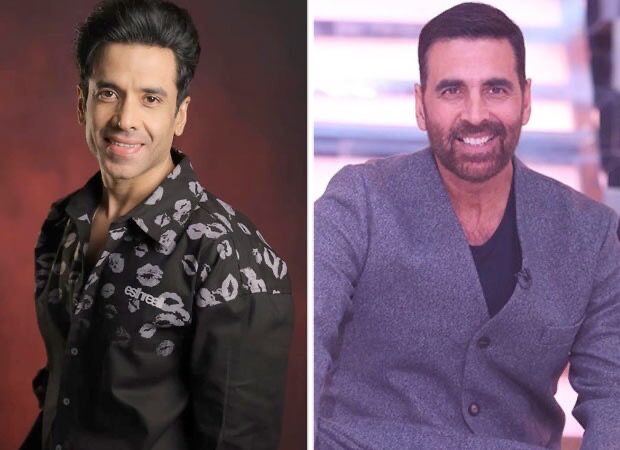
by Bollywood comedy lovers finally have a major reason to celebrate. Actor Tusshar Kapoor recently dropped a highly anticipated update on Golmaal 5, revealing that nearly 80–90% of the film’s shooting has already been completed. Even more interestingly, he shared heartfelt words about reuniting with director Rohit Shetty and working alongside Akshay Kumar, calling the experience potentially “the icing on the cake” for his career.
But beyond the production update, Kapoor also revealed a fascinating behind-the-scenes detail that immediately caught fans’ attention: his iconic Golmaal character Lucky was originally conceived as a completely silent character.
The revelation has reignited conversations surrounding one of Bollywood’s most beloved comedy franchises and highlighted how some of cinema’s most memorable characters are often born from experimentation.
As audiences eagerly wait for Golmaal 5, Kapoor’s comments provide not just production news but also a nostalgic journey through nearly two decades of laughter.
The Evolution of Comedy Franchises in Bollywood
Bollywood comedy franchises have changed significantly over the years. Earlier comedy films often relied heavily on standalone stories and situational humor, but franchises like Golmaal transformed the genre into a recurring cinematic experience. Audiences became emotionally attached not just to the jokes but also to the characters themselves. Familiar faces, recurring catchphrases, and established chemistry created a sense of comfort and anticipation. In today’s entertainment landscape, viewers often seek nostalgia alongside fresh storytelling. Golmaal managed to strike that balance successfully, becoming more than a comedy series and evolving into a brand with loyal fans spanning multiple generations.
Tusshar Kapoor’s Career and His Comic Identity
Over the years, Tusshar Kapoor has carved out a distinct space for himself in Bollywood comedy. While many actors rely heavily on dialogue delivery, Kapoor demonstrated that expressions and timing can be equally impactful. His portrayal of Lucky became a turning point that showcased his willingness to take unconventional creative risks. In an industry where actors often prefer larger, dialogue-driven roles, choosing an unusual character was a bold move. The success of Lucky proved that audiences appreciate originality. Kapoor’s journey reflects how experimentation and persistence can sometimes create career-defining moments that remain memorable long after a film’s release.
Fan Expectations Continue to Rise for Golmaal 5
As excitement around Golmaal 5 continues to build, fan expectations are naturally reaching new heights. Social media discussions and online conversations show how invested audiences remain in the franchise years after its earlier installments. Many viewers are eager to witness the return of beloved characters while also discovering what new surprises the upcoming film has in store. With fresh additions, returning cast members, and Rohit Shetty once again leading the project, anticipation is steadily increasing. If the film successfully combines nostalgia, humor, and innovation, Golmaal 5 may once again prove why the franchise continues to remain relevant.
Golmaal: A Comedy Franchise That Became a Cultural Phenomenon
When the first installment of Golmaal: Fun Unlimited released in 2006, few predicted it would become one of Hindi cinema’s most successful comedy franchises.
Directed by Rohit Shetty, the film introduced audiences to a chaotic group of friends navigating absurd situations with a mix of slapstick humor, misunderstandings, and memorable one-liners.
Over the years, sequels including:
• Golmaal Returns
• Golmaal 3
• Golmaal Again
helped turn the series into a box-office powerhouse.
The franchise created recurring characters audiences developed strong emotional connections with.
Among them was Tusshar Kapoor’s Lucky — a character unlike anyone else in mainstream Hindi cinema.
Lucky communicated through unusual sounds, exaggerated expressions, and energetic reactions rather than conventional dialogue.
Over time, the role evolved into one of the most memorable comic performances of Kapoor’s career.
Tusshar Kapoor’s Massive Update on Golmaal 5
During a recent conversation, Tusshar Kapoor offered fans a significant production update, revealing that filming for Golmaal 5 is nearing completion.
According to the actor, approximately 80–90 percent of the movie has already been shot, signaling that audiences may not have to wait excessively long before seeing the film reach theaters.
Kapoor described the filming process as an enjoyable reunion with familiar collaborators and co-stars.
For fans of long-running franchises, these reunions often carry emotional significance.
Actors who have spent years portraying recurring characters frequently describe returning to such projects as reconnecting with family.
That feeling appears to be shared by Kapoor as well.
The actor particularly praised Rohit Shetty’s commitment and work ethic, emphasizing the director’s professionalism and relentless dedication on set.
Such praise isn’t entirely surprising.
Throughout his career, Rohit Shetty has developed a reputation for handling massive productions requiring action choreography, large ensemble casts, and extensive scheduling.
Balancing all those elements while maintaining the franchise’s comic identity remains no easy task.
The Akshay Kumar Factor: Why Fans Are Excited
One of the biggest talking points surrounding Golmaal 5 is the inclusion of Akshay Kumar.
The actor’s reported addition to the franchise generated significant online excitement months ago.
Kapoor spoke warmly about collaborating with Akshay, saying the work they have done together could become “the icing on the cake” of his own career journey.
Such a statement naturally sparked fan curiosity.
Why does Kapoor see this collaboration so positively?
Part of the answer may lie in Akshay Kumar’s longstanding association with comedy.
Before becoming associated with action spectacles and socially themed dramas, Akshay delivered several iconic comedic performances.
Films like:
• Hera Pheri
• Mujhse Shaadi Karogi
• Bhool Bhulaiyaa
• Welcome
showcased his impeccable comic timing.
His inclusion in Golmaal creates intriguing possibilities.
The franchise already thrives on ensemble energy, confusion-driven storytelling, and over-the-top character interactions.
Introducing a performer with Akshay’s pace and comedic style may bring a fresh layer of unpredictability.
Naturally, audiences are eager to see how his dynamic blends with the established Golmaal gang.
Lucky Was Never Supposed to Become “Lucky”
Perhaps the most fascinating revelation from Tusshar Kapoor wasn’t about production progress.
It involved Lucky’s origins.
According to Kapoor, writer Neeraj Vora initially envisioned Lucky as a completely silent character.
That version would have relied heavily on body language and visual humor.
However, things changed during the character-development process.
Kapoor recalled that actor Sharman Joshi suggested he work with theatre actor Vikas Kadam to refine the role. During those discussions, a creative idea emerged.
Instead of making Lucky entirely mute, they explored giving him sounds and vocal expressions.
That decision transformed the character.
Rather than using sign language or remaining expressionless, Lucky developed his now-famous style of making energetic noises and emotional vocal reactions.
The result was something unusual, memorable, and surprisingly effective.
Sometimes cinema’s most successful creations emerge not from strict planning but from experimentation.
Lucky became proof of that.
Why Lucky Worked So Well
Creating a character with minimal dialogue is risky.
Dialogue often provides personality, emotional depth, and comic timing.
Without it, actors face an enormous challenge.
Tusshar Kapoor had to rely on:
• Facial expressions
• Physical movement
• Rhythm
• Reactions
• Body language
Comedy itself is among cinema’s most difficult genres.
Silent comedy presents even greater challenges.
Historically, legends like Charlie Chaplin and Buster Keaton mastered storytelling through movement and visual humor.
While Lucky existed within a modern ensemble comedy rather than silent-era cinema, certain principles remained similar.
The character succeeded because audiences instantly understood him emotionally.
His reactions became funnier than conventional punchlines.
Over time, fans began anticipating Lucky’s expressions as much as spoken jokes.
That level of audience connection cannot be manufactured.
The Nostalgia Element Driving Golmaal 5
The excitement around Golmaal 5 also reflects a larger entertainment trend.
Franchises increasingly thrive on nostalgia.
Audiences today frequently revisit characters and stories they grew up watching.
Across industries worldwide, familiar worlds often generate anticipation because they create emotional comfort.
For many viewers, Golmaal represents childhood and family entertainment.
Television reruns introduced the franchise to new generations.
Dialogue references, memes, and iconic scenes continue circulating online years later.
As a result, returning to Golmaal feels less like watching a sequel and more like revisiting familiar friends.
That emotional attachment creates tremendous expectations.
Fans are not merely hoping for laughs.
They want the same feeling they experienced years earlier.
Rohit Shetty’s Challenge
While audience excitement is enormous, expectations can also become difficult burdens.
Creating a fifth installment presents challenges.
Comedy evolves.
Viewer preferences change.
Humor that worked in 2006 may not automatically resonate with audiences today.
Rohit Shetty therefore faces a delicate balancing act.
He must preserve the franchise’s original flavor while ensuring it feels contemporary.
Sequels often struggle because they attempt either too much change or too little.
If a film repeats earlier formulas excessively, audiences may label it repetitive.
But radical departures can alienate loyal fans.
Finding that middle ground becomes essential.
Fortunately, Shetty’s long relationship with the franchise may prove advantageous.
Few directors understand Golmaal’s comic DNA as deeply as he does.
Looking Ahead
Tusshar Kapoor’s comments offered much more than a simple production update.
They provided insight into collaboration, character creation, and the evolution of a beloved cinematic universe.
Learning that Golmaal 5 is approaching completion naturally raises anticipation levels.
Meanwhile, his praise for Akshay Kumar hints that audiences may witness an especially entertaining dynamic.
And perhaps most surprisingly, the revelation surrounding Lucky’s origins reminds viewers that creative risks sometimes produce unforgettable results.
As Bollywood continues leaning into sequels and franchise storytelling, Golmaal 5 arrives carrying substantial expectations.
If Tusshar Kapoor’s excitement is any indication, audiences may be in for another energetic, chaotic, and laughter-filled ride.
For fans who grew up watching Lucky’s hilarious reactions and the gang’s comic adventures, the countdown has undoubtedly begun.