 by
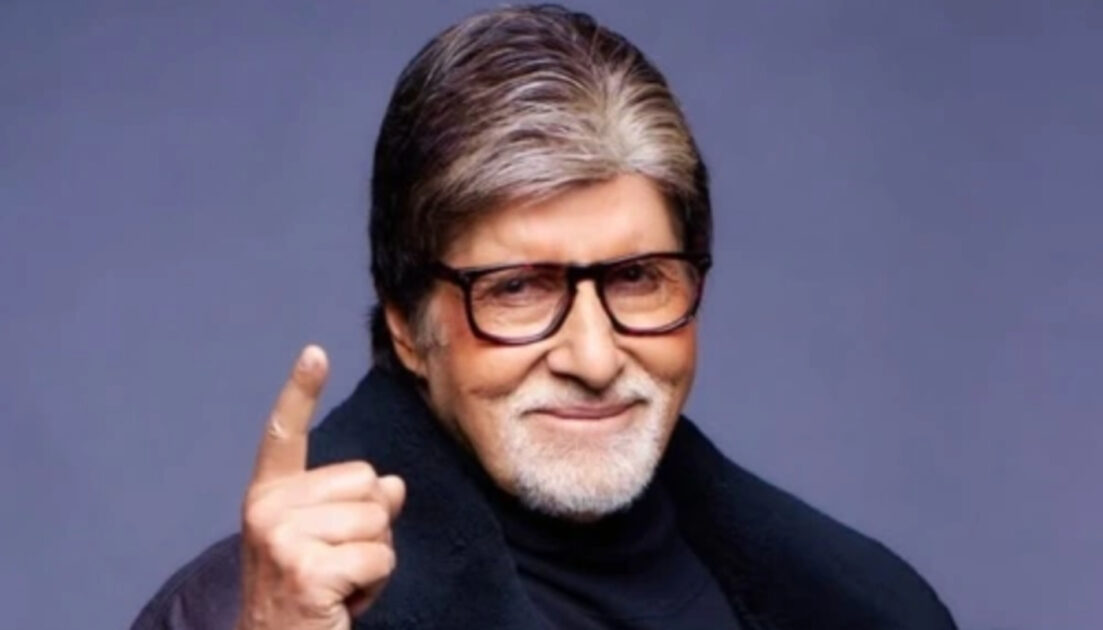
by Celebrity health rumors have become a recurring phenomenon in the digital era. In a world where information spreads in seconds and social media conversations travel faster than official confirmations, even a minor misunderstanding can quickly transform into a major headline. Recently, one such wave of concern surrounded Bollywood legend Amitabh Bachchan after reports surfaced suggesting that he had been hospitalized following a health scare.
As the rumors spread online, worried fans immediately reacted with concern. Social media timelines filled with prayers, questions, and messages wishing the veteran actor a speedy recovery. Given Amitabh Bachchan’s iconic status and immense popularity across generations, the reports triggered emotional reactions from admirers worldwide.
However, as details began emerging, it became clear that the alarming claims were misleading. Contrary to speculation, Amitabh Bachchan was not hospitalized due to a sudden medical emergency. Reports later clarified that the actor had simply visited a hospital for a routine check-up, something he reportedly undergoes regularly.
The incident once again highlighted the speed of misinformation online and demonstrated how quickly rumors surrounding public figures can spiral into widespread panic.
How the Rumors Began
The situation unfolded when reports started circulating online claiming that Amitabh Bachchan had been admitted to Mumbai’s Nanavati Hospital.
Soon after these reports appeared, speculation intensified rapidly.
Various claims suggested that the actor had experienced stomach-related complications serious enough to require immediate medical care. Additional rumors alleged that he had been admitted to a VIP section of the hospital.
As often happens online, fragments of unverified information quickly gained momentum.
People shared screenshots.
News snippets circulated.
Users reposted claims.
Within a short period, concern spread far beyond entertainment circles.
Because Amitabh Bachchan is not merely a film actor but a cultural institution in India, even a health-related rumor naturally attracts significant public attention.
For many fans, the possibility of a health emergency involving one of Bollywood’s most respected figures felt deeply concerning.
Fans Reacted With Immediate Concern
The internet’s response reflected the extraordinary emotional bond audiences share with legendary public figures.
Soon after the reports surfaced, social media platforms witnessed an outpouring of concern.
Fans posted:
• Prayers for recovery
• Messages of support
• Emotional reactions
• Requests for updates
• Wishes for good health
• Expressions of concern
For decades, Amitabh Bachchan has remained part of people’s lives through cinema, television appearances, interviews, and public interactions.
As a result, audiences often feel a personal connection to him.
Many fans grew up watching his films.
Others witnessed multiple generations becoming admirers of his work.
This emotional familiarity often explains why celebrity health rumors generate particularly strong reactions.
Even before facts emerge, people respond emotionally.
The Truth Behind the Hospital Reports
As concern continued growing, reports later clarified that the situation had been misunderstood.
Sources close to the actor reportedly confirmed that Amitabh Bachchan had not been hospitalized because of a health scare.
Instead, he had simply visited Nanavati Hospital as part of a regular medical routine.
According to reports, the actor undergoes scheduled health check-ups periodically and this visit was no different.
Following the appointment, he reportedly returned home.
This clarification immediately shifted the narrative.
The frightening possibility of a serious medical emergency was replaced by a much simpler explanation: a routine health assessment.
The development provided relief to fans who had spent hours anxiously following updates.
Why Routine Medical Visits Often Create Confusion
For public figures, even ordinary activities can unexpectedly become public events.
Hospital visits especially tend to attract attention.
When celebrities arrive at healthcare facilities, speculation often begins immediately.
People naturally assume emergencies.
Media outlets seek updates.
Social platforms amplify conversations.
However, regular medical appointments are entirely normal, especially for senior individuals who prioritize preventive healthcare.
Routine assessments can include:
• General wellness evaluations
• Blood tests
• Cardiac monitoring
• Follow-up examinations
• Preventive screenings
• Ongoing health management
Such visits do not necessarily indicate illness.
Yet because celebrities live under constant observation, everyday routines frequently become subjects of public curiosity.
The Challenge of Misinformation in the Social Media Age
The incident involving Amitabh Bachchan also highlights a broader issue facing modern audiences: misinformation spreads rapidly.
Digital platforms have transformed how information travels.
Unlike earlier decades when news passed through traditional verification systems, social media allows updates to spread instantly.
This speed has advantages.
But it also creates challenges.
Unverified reports can gain enormous traction before accurate information emerges.
In celebrity cases, this pattern often follows a familiar cycle:
• An initial report appears
• Social media users react
• Speculation begins
• Additional assumptions emerge
• Emotional responses increase
• Clarification arrives later
By the time facts surface, misinformation may already have reached millions.
The Amitabh Bachchan episode reflected this exact pattern.
The Weight of Amitabh Bachchan’s Legacy
Part of the reason the reports generated such attention lies in Amitabh Bachchan’s extraordinary influence.
For decades, he has occupied a unique place within Indian entertainment history.
Often referred to as Bollywood’s Shahenshah, his career spans generations.
His contribution extends beyond films alone.
He remains associated with:
• Television hosting
• Public campaigns
• Literary engagement
• Social causes
• Brand endorsements
• Digital interaction with fans
Unlike many stars whose popularity fluctuates over time, Amitabh Bachchan has sustained relevance across multiple eras.
His ability to adapt while remaining deeply respected makes him one of India’s most admired personalities.
Therefore, any news involving his well-being naturally attracts widespread interest.
Public Figures and Constant Observation
Modern celebrity culture creates an environment where public personalities live under continuous attention.
Every appearance, statement, social post, or movement can instantly become news.
While visibility offers opportunities for connection with audiences, it also creates challenges.
Ordinary moments can become exaggerated.
Routine actions can trigger speculation.
Simple events may become major discussions.
Hospital visits especially tend to generate heightened reactions because health remains deeply personal and emotionally significant.
For celebrities, maintaining privacy in such circumstances becomes increasingly difficult.
The Amitabh Bachchan rumor serves as another reminder of the pressures that accompany public life.
Amitabh Bachchan’s Own Response Added Another Layer of Discussion
Interestingly, further discussions emerged after Amitabh Bachchan shared a post on his official blog.
The actor reportedly posted a cryptic Hindi poem that immediately caught public attention.
Its translated meaning suggested:
“When the eagle becomes quiet, parrots begin speaking. After eating millet bread and greens, they begin talking like crows once food enters their mouths.”
The poetic lines quickly sparked additional interpretations online.
Some users wondered whether the message indirectly addressed rumor culture.
Others believed it carried a broader philosophical meaning.
Many interpreted the words as commentary on unnecessary chatter and speculative conversations.
However, without direct clarification, interpretations naturally varied.
This itself demonstrates another interesting aspect of celebrity communication.
Fans often analyze even subtle posts for hidden meanings.
The Internet Loves Interpreting Silence
One fascinating aspect of online culture is how silence often creates more curiosity than statements themselves.
When public figures do not immediately address rumors, audiences frequently begin constructing narratives.
Questions emerge:
Was there hidden meaning?
Was a message being conveyed?
Was there indirect criticism?
In the absence of certainty, speculation expands.
Amitabh Bachchan’s cryptic blog post became part of this larger phenomenon.
The mystery surrounding its timing encouraged audiences to connect dots, even without confirmation.
This tendency reflects how digital culture increasingly thrives on interpretation.
Why Fans Felt Relieved
Once reports clarified that Amitabh Bachchan had not experienced a medical emergency, fans expressed visible relief online.
The emotional shift happened quickly.
Concern turned into reassurance.
Panic transformed into celebration.
Many users shared messages expressing happiness after learning the truth.
The reaction highlighted something meaningful: despite constant internet debates and rapid content cycles, genuine affection for beloved public figures remains powerful.
Fans were not simply reacting to headlines.
They were responding from emotional attachment built over decades.
The incident also highlights how deeply intertwined celebrity culture and emotional investment have become in the digital era. For many fans, Amitabh Bachchan is not just a film icon but a long-standing presence in their personal and cultural memory. His films, interviews, and public appearances have shaped decades of entertainment history. So when any health-related rumor emerges, it doesn’t remain just “news”—it becomes an emotionally charged moment. This explains why even unverified claims can trigger such rapid concern, as audiences feel a sense of personal connection and responsibility toward a figure they have admired for generations.
Another important aspect is how quickly misinformation can outpace clarification in today’s media environment. A single unverified post or speculative report can spread across platforms within minutes, amplified by shares, reposts, and algorithm-driven visibility. By the time corrections or official clarifications appear, the initial narrative has often already reached a far wider audience. In the Amitabh Bachchan case, this pattern was clearly visible, where early assumptions about hospitalization circulated faster than factual updates. It underscores the importance of verifying sources before reacting, especially when it comes to sensitive topics like health and well-being of public figures.
Ultimately, the episode serves as a reminder of the responsibility that comes with consuming and sharing information online. While curiosity and concern are natural responses, especially for beloved celebrities, unverified news can easily create unnecessary panic. The clarification that Amitabh Bachchan was simply attending a routine check-up brings relief, but it also reinforces the need for media literacy among audiences. In a fast-moving digital world, pausing to confirm facts before reacting can help prevent misinformation from spreading and ensure that public discussions remain grounded in accuracy rather than speculation.
Final Thoughts
The rumors surrounding Amitabh Bachchan’s supposed hospitalization demonstrate how rapidly misinformation can spread in the digital era.
A routine medical check-up unexpectedly evolved into a widespread online discussion involving concern, speculation, and emotional reactions from fans worldwide.
Fortunately, reports later clarified that there had been no health scare and that the actor was completely fine.
The episode serves as a reminder to approach viral reports with caution and wait for verified information before drawing conclusions.
In an age where news travels instantly, patience sometimes becomes as important as information itself.
And in Amitabh Bachchan’s case, fans ultimately received the most reassuring update possible: there was nothing to worry about.