 by
by Introduction: Kangana Ranaut Weighs In on the Don 3 Debate
The Indian film industry thrives on anticipation, star power, and passionate fan engagement. Whenever a major film announcement is made, especially one involving an iconic franchise, public reactions are often immediate and intense. Such has been the case with Don 3, the latest installment in one of Bollywood’s most celebrated action franchises. While excitement surrounding the project remains high, the film has also become the subject of considerable debate, particularly regarding Ranveer Singh’s involvement as the new face of the franchise.
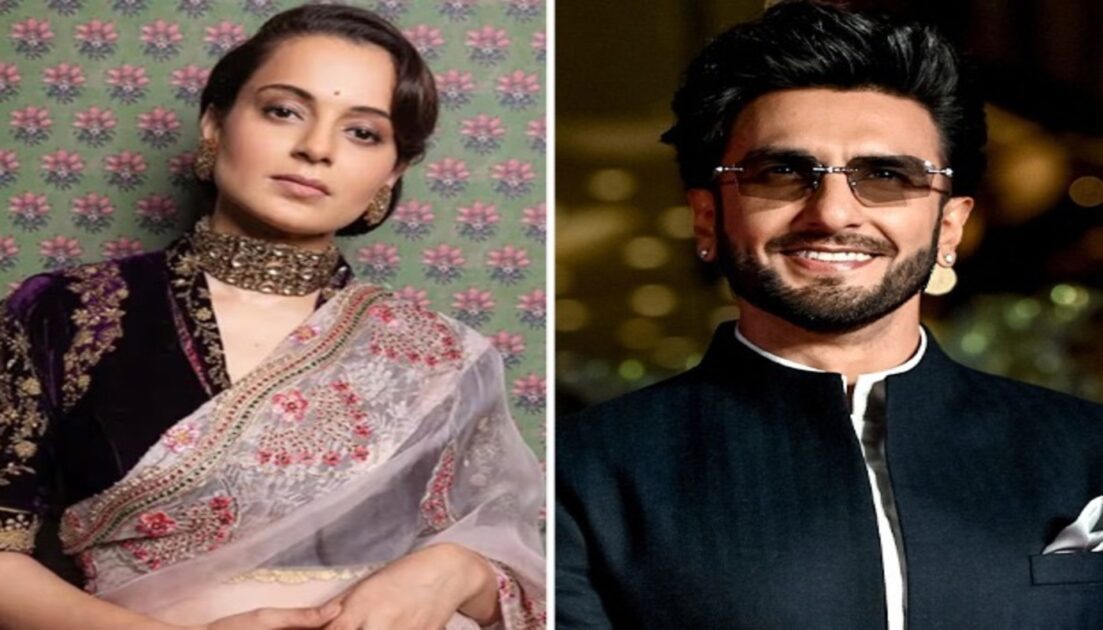
Amid reports suggesting that certain groups had expressed objections to the actor and called for restrictions related to the project, actress and politician Kangana Ranaut was asked to share her views during the trailer launch event of her upcoming film Bharat Bhhagya Viddhaata. Her response quickly grabbed headlines and added a fresh dimension to the ongoing discussion.
Rather than focusing solely on the controversy itself, Kangana offered a broader observation about the realities of fame and public visibility. Her statement, “When your status increases, your enemies also increase,” resonated with many because it addressed a challenge faced not only by actors but by public figures across all fields.
The Growing Controversy Surrounding Don 3
Since its official announcement, Don 3 has remained one of the most talked-about upcoming films in Bollywood. The franchise enjoys a legacy that spans generations, making every creative decision subject to public scrutiny.
For many moviegoers, Don represents more than just an action series. It is a cultural phenomenon associated with memorable performances, iconic dialogues, and a distinctive cinematic style. As a result, any change to the franchise naturally attracts attention.
The decision to cast Ranveer Singh in the lead role sparked a wide range of reactions. While many fans praised the move as a bold attempt to reinvent the series for a new generation, others expressed concerns about replacing a character portrayal that had become deeply associated with previous films.
These differing opinions soon evolved into larger discussions across social media platforms, entertainment forums, and news outlets. What began as a casting conversation gradually transformed into a broader debate about legacy, expectations, and the future direction of the franchise.
Why Ranveer Singh’s Casting Sparked Strong Reactions
The response to Ranveer Singh’s casting illustrates how emotionally invested audiences can become in long-running franchises. Fans often develop strong attachments to characters, storylines, and performances that define a particular era of cinema.
When a franchise undergoes a significant transition, audiences tend to compare the new direction with what came before. This comparison can create excitement among viewers eager for innovation while simultaneously generating skepticism among those who prefer continuity.
Ranveer Singh’s selection was always likely to invite scrutiny because of the immense popularity associated with the franchise. Supporters argue that his versatility, energy, and willingness to experiment with diverse roles make him a suitable choice. Critics, however, remain cautious, believing that iconic characters carry expectations that are difficult for any actor to satisfy.
Such reactions are common whenever beloved cinematic properties are reimagined. The challenge lies in balancing nostalgia with creative evolution, a task that every major franchise eventually faces.
Kangana Ranaut’s Take on Fame and Criticism
When asked about the controversy, Kangana Ranaut chose not to engage directly with the specifics of the allegations or demands being discussed. Instead, she focused on the broader realities of success and public attention.
Her perspective centered on the idea that criticism often grows alongside achievement. According to Kangana, individuals who reach positions of prominence inevitably attract greater scrutiny and opposition.
This viewpoint reflects a common observation about public life. Whether in entertainment, politics, sports, or business, influential individuals frequently become targets of criticism simply because their actions receive greater visibility.
For Kangana, the controversy surrounding Ranveer Singh appeared to be part of a larger pattern rather than an isolated incident. Her comments suggested that increased prominence naturally results in increased attention, both positive and negative.
“When Your Status Increases, Your Enemies Also Increase”
The statement that generated the most attention from Kangana’s interaction was her observation that rising status often brings rising opposition.
While concise, the remark touches on a reality experienced by many public figures. Success tends to expand an individual’s audience, creating opportunities for admiration while also attracting critics, competitors, and detractors.
In the entertainment industry, where visibility is a key component of success, this dynamic becomes especially apparent. Actors, filmmakers, and celebrities often find themselves navigating intense public discussions about their careers, personal lives, and creative decisions.
Kangana’s comment framed the controversy as a consequence of growing influence rather than evidence of failure or wrongdoing. Whether audiences agree with that interpretation or not, it offered a different lens through which to view the situation.
The Challenges of Leading an Iconic Franchise
Taking over a beloved franchise presents unique challenges for any actor. Audiences often associate established characters with specific performances, making transitions particularly difficult.
Actors stepping into such roles must navigate the expectations of loyal fans while also bringing something original to the character. If they remain too close to previous portrayals, they may be criticized for lacking individuality. If they introduce significant changes, they risk alienating traditional supporters.
This balancing act requires both confidence and creative vision. In the case of Don 3, Ranveer Singh faces the task of honoring the franchise’s legacy while helping shape its future.
The intensity of public reactions demonstrates just how important these franchises remain within popular culture.
Social Media’s Role in Amplifying Celebrity Controversies
Modern controversies often unfold differently than they did in previous decades. Social media platforms have transformed how information spreads, enabling discussions to reach millions of people within hours.
A single announcement can generate thousands of comments, reactions, and interpretations almost instantly. While this increased connectivity allows audiences to participate more actively in entertainment conversations, it can also magnify disagreements and create polarized debates.
The Don 3 controversy highlights the influence of digital platforms on public discourse. Online conversations have played a significant role in shaping perceptions of the project, demonstrating how modern film discussions extend far beyond traditional media coverage.
For celebrities, this environment presents both opportunities and challenges. Social media provides direct access to audiences but also subjects public figures to constant evaluation.
Public Scrutiny and the Price of Stardom
Fame has always come with scrutiny, but the scale of modern celebrity culture has intensified that reality. Today’s stars operate in an environment where nearly every decision can become a topic of public discussion.
This level of visibility creates pressure that extends beyond professional performance. Actors are frequently expected to respond to controversies, clarify rumors, and engage with evolving public narratives.
Kangana’s remarks reflect an understanding of these challenges. Having spent years in the public eye herself, she is familiar with the complexities of navigating criticism and maintaining relevance amid constant scrutiny.
Her comments suggest that opposition may be one of the inevitable costs associated with prominence.
Fan Expectations Versus Creative Reinvention
One of the most interesting aspects of the Don 3 debate is the tension between nostalgia and innovation. Audiences often want filmmakers to preserve the qualities that made a franchise successful while simultaneously expecting fresh ideas and modern storytelling.
These goals can sometimes conflict. Creative reinvention requires change, yet change often encounters resistance from those who prefer familiar elements.
The debate surrounding Don 3 reflects this challenge. Supporters see the casting decision as an opportunity to introduce new energy into the franchise, while skeptics remain attached to previous iterations.
Ultimately, the success of any reinvention depends on whether audiences connect with the final product.
Celebrity Culture in the Digital Age
The controversy also sheds light on broader changes within celebrity culture. Public figures today are expected to maintain a constant presence across multiple platforms while engaging with audiences in real time.
This environment has transformed the relationship between stars and fans. While increased accessibility can strengthen connections, it also creates opportunities for misunderstandings, speculation, and controversy.
As a result, celebrities must navigate a complex landscape where professional achievements, public perception, and online conversations are increasingly interconnected.
The experience of actors like Ranveer Singh illustrates how quickly discussions can evolve from artistic choices into larger cultural debates.
What the Don 3 Debate Reveals About Modern Bollywood
The ongoing conversation surrounding Don 3 reveals several important aspects of contemporary Bollywood. It highlights the enduring power of iconic franchises, the influence of social media, and the passionate engagement of audiences.
It also demonstrates how casting decisions have become cultural events in their own right. Modern audiences do not simply consume entertainment; they actively participate in discussions about its creation, direction, and meaning.
This level of engagement reflects both the strength of Bollywood’s fan culture and the evolving nature of media consumption.
Conclusion: Success, Visibility, and Increasing Scrutiny
Kangana Ranaut’s comments on the Ranveer Singh and Don 3 controversy offer a perspective that extends beyond the immediate debate. By emphasizing the relationship between success and criticism, she highlighted a reality that affects public figures across industries.
Whether one views the controversy as justified concern, passionate fandom, or the inevitable consequence of high-profile casting decisions, it underscores the challenges associated with modern celebrity culture. As public figures become more visible, they often encounter stronger reactions from supporters and critics alike.
As anticipation for Don 3 continues to build, discussions surrounding the film are unlikely to disappear anytime soon. Yet regardless of how the controversy evolves, Kangana’s observation remains relevant: increased status often brings increased scrutiny. In today’s highly connected world, fame and criticism frequently travel together, making public attention both a valuable asset and a significant challenge.