 by
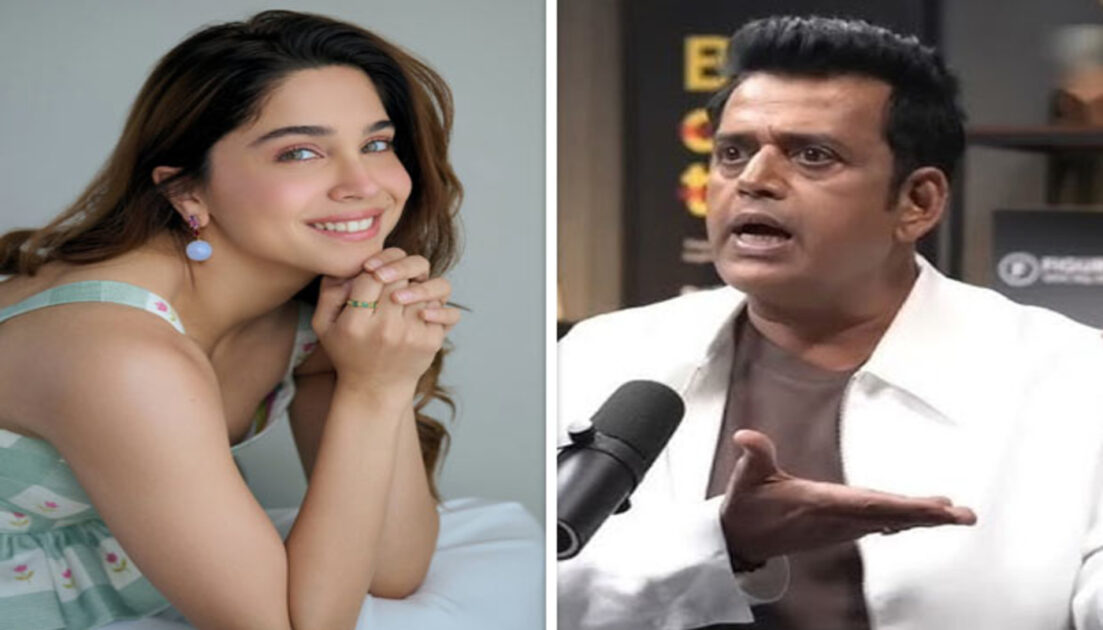
by Sharvari has officially entered the Ravi Kishan meme universe—and she has done it with a caption that is almost impossible to miss if you have been anywhere near Indian social media lately. The actress recently gave a playful spin to one of the internet’s most recognisable viral phrases, turning a simple Instagram photo dump into another celebrity moment for the ever-growing “Ravi Kishan meme fest.”
What makes the post particularly entertaining is that Sharvari did not attempt to recreate the original moment word-for-word. Instead, she adapted its structure to fit her own post. The result was a caption that felt personal, playful and unmistakably connected to one of the internet’s favourite catchphrases of the moment.
Sharvari’s Caption Has a Very Ravi Kishan Feel
Celebrity Instagram captions have become a form of communication in their own right. A photograph may be polished, styled and carefully curated, but the caption can completely change the way audiences interpret it. In Sharvari’s case, those few words transformed an ordinary social media update into a piece of current internet culture.
“Happiness follows my brother, happiness follows!” mirrors the rhythm and confidence of Ravi Kishan’s viral declaration while replacing “money” with “happiness.” That small alteration is what gives the caption its charm.
It also makes the reference accessible even to followers who may not immediately remember the original podcast conversation. The sentence works as a standalone expression of positivity, but for anyone familiar with the meme, it carries an additional layer of humour.
This is precisely how internet trends evolve. A phrase begins in one context, becomes popular through short-form videos and memes, and eventually starts being reused in completely different situations. The original meaning becomes less important than the recognisable structure of the phrase.
Sharvari appears to have understood that perfectly.
Her caption does not look like an attempt to manufacture a viral moment. Instead, it feels like the kind of spontaneous joke that someone posts because they are already familiar with what everyone else is talking about online.
And judging by the reactions, fans immediately understood the assignment.
But Where Did “Money Follows My Brother” Come From?
To understand why Sharvari’s caption generated so much amusement, it helps to go back to the source of the trend.
The phrase originated during Ravi Kishan’s conversation with entrepreneur and content creator Raj Shamani. During the podcast, Kishan was asked to choose between “pehchaan”—recognition, reputation and identity—and “paisa,” meaning money.
Kishan chose recognition.
The statement might have originally been intended as a serious observation about success, but the internet quickly found another use for it.
The delivery, wording and unmistakable “my brother” addition gave the sentence a distinctive personality. Once clipped and circulated across social media, it moved beyond the original podcast conversation and became meme material.
That is the unpredictable nature of online culture: a serious answer can become a catchphrase overnight.
Ravi Kishan Has Become an Unexpected Meme Favourite
The “money follows my brother” line is not an isolated incident. Ravi Kishan has recently found himself at the centre of an unusually large wave of memes, with social media users revisiting clips from his interviews, speeches and public appearances.
What makes the phenomenon interesting is that these moments come from very different contexts.
Rather than one carefully constructed meme campaign, the internet has essentially assembled a collection of Ravi Kishan moments and given them new lives.
That has made his social media presence particularly unusual. Older clips can suddenly become relevant again, while a fresh interview or public appearance can produce another viral soundbite.
In an era when celebrities often have teams managing every aspect of their digital image, Kishan’s natural, highly expressive speaking style has provided meme creators with seemingly endless material.
The Internet Loves Authenticity—Especially When It Is Unexpected
One reason the Ravi Kishan trend has resonated so strongly is authenticity.
Social media audiences are increasingly exposed to highly polished celebrity content. Professional photographs, branded collaborations, rehearsed interviews and carefully selected captions are now standard parts of entertainment culture.
Against that backdrop, spontaneous moments can feel refreshing.
Ravi Kishan’s viral clips do not necessarily appear designed for meme culture. That is arguably part of why they work so well. His expressive delivery and unusual phrasing create moments that audiences can immediately recognise and reinterpret.
The same principle applies to Sharvari’s response.
She did not need to create an elaborate parody video. She simply borrowed the linguistic format of a trending phrase and adapted it to her own Instagram post.
That kind of participation demonstrates how quickly celebrity culture and meme culture now overlap.
An actor does not necessarily need to make a dedicated comedy reel to participate in an internet trend. Sometimes, one caption is enough.
Sharvari’s “Happiness Follows” Twist Is More Than a Meme Reference
There is also something clever about Sharvari replacing “money” with “happiness.”
Money and success were central to the original Ravi Kishan conversation. Sharvari’s version shifts the emphasis completely.
“Money follows my brother” carries the confident energy of a motivational statement about achievement. “Happiness follows my brother” sounds warmer and more affectionate.
The change also makes the phrase fit naturally into a photo dump.
Rather than directly saying that the pictures represent a glamorous lifestyle or a successful moment, Sharvari uses humour to suggest that happiness is simply following her brother.
The emojis—🤪 and 🫶🏼—further reinforce that she is participating in the joke rather than making a serious declaration.
That distinction matters.
Internet humour often depends on whether the audience understands that something is intentionally exaggerated. Sharvari’s emojis make the playful nature of the caption unmistakable.
Fans Immediately Recognised the Reference
The comments under Sharvari’s post show just how quickly fans picked up on the connection.
These responses reveal something important about contemporary fandom.
Fans are no longer simply reacting to celebrity photographs. They are also participating in a shared language of references, memes, sounds and viral moments.
A celebrity can post a picture, and the comments can quickly turn into a discussion about an unrelated viral trend because the audience is connecting both pieces of content through internet culture.
Sharvari’s post is a good example of that phenomenon.
The photographs are one part of the post. The caption becomes another. The comments then become a third layer, where followers collectively demonstrate that they understood the reference.
It is essentially a miniature social-media conversation built around a single sentence.
Ravi Kishan Himself Has Embraced the Viral Attention
Interestingly, Ravi Kishan has not appeared particularly uncomfortable with his unexpected status as a meme favourite.
That attitude has arguably helped the trend remain light-hearted.
Rather than treating every meme as something embarrassing, Kishan has largely responded with humour and curiosity. He has even joked about expecting to go viral again.
His reaction is significant because internet virality can be difficult for public figures to control. A statement made in a serious conversation can be taken out of its original context and repurposed thousands of times.
By engaging with the humour instead of aggressively fighting it, Kishan has effectively become part of the conversation surrounding his own memes.
The “Money Follows My Brother” Philosophy Behind the Joke
Beneath all the memes, there was an actual idea in Kishan’s original comment.
When asked to choose between recognition and money, he prioritised recognition. The logic was that building a reputation and becoming known for something can eventually create financial opportunities.
The Times of India reported that Kishan later elaborated on the broader idea, saying that reputation is more valuable than money and linking reputation and financial success. (The Times of India)
That context makes the viral phrase slightly different from a purely random meme.
The internet extracted the funniest part of a longer thought and turned it into a catchphrase. But the original conversation was essentially about the relationship between reputation, success and wealth.
This is a common pattern in digital culture.
A lengthy conversation may contain several ideas, but one memorable sentence becomes the shorthand for everything else.
In Kishan’s case, “money follows my brother” became the shorthand.
And now Sharvari has transformed it again into “happiness follows my brother.”
Why Celebrity Participation Makes Trends Bigger
When a meme is used by a celebrity, it can gain another layer of visibility.
Sharvari already has a significant entertainment profile, so her adoption of the phrase exposes the trend to another audience. People who follow her may encounter the reference even if they have not been actively following Ravi Kishan’s viral clips.
This is how trends move between online communities.
A phrase can begin in a podcast audience, spread through meme pages, reach Instagram reels, enter celebrity comment sections and eventually become part of everyday internet vocabulary.
The journey is rarely linear.
Sharvari’s post therefore represents more than one actress making a joke. It is an example of how quickly contemporary pop culture circulates.
The boundaries between Bollywood, social media creators, podcasts and meme communities have become increasingly blurred.
A podcast remark can become a meme.
A meme can become a celebrity caption.
A celebrity caption can then generate another round of memes.
And the cycle continues.
Sharvari Is Clearly Comfortable With the Social-Media Conversation
Sharvari’s caption also fits into a broader shift in the way young Bollywood actors communicate online.
Instead of maintaining an entirely polished public image, many celebrities now mix professional photographs with casual humour, trending sounds and self-aware captions.
That approach can make an actor appear more relatable without necessarily compromising their glamorous image.
Sharvari’s post is a good example because the photographs remain central to her Instagram aesthetic, while the caption introduces a completely different tone.
The contrast is what makes it entertaining.
The images can be interpreted as a conventional celebrity photo series. The caption, meanwhile, sounds like an inside joke.
That combination encourages followers to look twice.
And in the attention economy of social media, making someone stop scrolling is already half the battle.
From Ravi Kishan to Sharvari: How One Phrase Keeps Evolving
Perhaps the most interesting part of the story is how far the original phrase has travelled.
Ravi Kishan said it during a podcast discussion about recognition and money.
Internet users transformed it into a meme.
Meme pages repeated and remixed it.
Other public figures began acknowledging the trend.
And now Sharvari has replaced the central word with “happiness.”
This is essentially the life cycle of a modern internet catchphrase.
The original context becomes secondary. The sentence structure becomes recognisable on its own.
People can then fill in the blank.
Money follows.
Happiness follows.
Success follows.
Sleep follows.
Coffee follows.
Anything can theoretically “follow” once the audience understands the reference.
That is the creative potential of meme language: it provides a template rather than a fixed joke.
Ravi Kishan’s Meme Era Has Become Its Own Pop-Culture Story
It is unusual for several unrelated clips from a public figure’s career to suddenly become relevant at the same time.
Yet that is exactly what has happened with Ravi Kishan.
The appeal seems to lie in the combination of spontaneity, expressive delivery and unexpected wording.
For meme creators, those ingredients are valuable.
For audiences, they create an easy form of humour that does not require extensive context.
And for celebrities such as Sharvari, they provide ready-made cultural references that can be incorporated into everyday social-media posts.
The result is a feedback loop between mainstream entertainment and internet culture.
Bollywood stars are no longer simply subjects of memes. They are increasingly participants in meme culture themselves.
Sharvari’s post illustrates that shift perfectly.
What Sharvari’s Post Says About Today’s Instagram Culture
Instagram has changed dramatically from its early image-focused days.
A decade ago, a celebrity post might have been judged primarily on its photography, styling and visual presentation. Today, the caption, audio, comments, references and cultural timing can be equally important.
A photo posted at the right moment with the right reference can become much more engaging than an image that exists entirely on its own.
Sharvari appears to understand this language.
Her “happiness follows my brother” caption is short enough to be instantly understood, recognisable enough to trigger the Ravi Kishan association and playful enough to invite comments.
It does not over-explain the joke.
That is important because memes generally work best when the audience feels clever for recognising the reference themselves.
Sharvari gives followers just enough information to make the connection.
The rest happens in the comments.
What Happens Next?
Whether Sharvari’s caption becomes another widely repeated variation of the Ravi Kishan phrase remains to be seen. Internet trends can have remarkably short lifespans, disappearing almost as quickly as they emerge.
But for now, the reference is clearly resonating.
Sharvari’s contribution is particularly amusing because she has not simply copied the trend.
She has customised it.
“Money follows my brother” became “happiness follows my brother,” transforming a statement about wealth and recognition into an affectionate, humorous caption.
It is a small change, but precisely the kind of change that keeps internet trends alive.
Sharvari’s Caption Is a Perfect Example of Bollywood’s Meme Moment
At its heart, Sharvari’s latest Instagram post is a simple celebrity photo dump with an internet-savvy punchline.
But its popularity says much more about the way entertainment culture works in 2026.
Ravi Kishan’s podcast remark became a viral phrase because it was distinctive. The internet then turned it into a meme because the wording was endlessly adaptable. Sharvari took that already-established format and gave it a softer, happier twist.
Her caption—“Happiness follows my brother, happiness follows! 🤪🫶🏼”—is therefore funny not only because of what it says, but because of everything audiences already associate with the phrase.
And that is ultimately what makes meme culture so powerful.
A sentence can begin as a serious statement, become a joke, turn into a template and eventually become part of everyday celebrity communication.
For Ravi Kishan, an answer about choosing recognition over money unexpectedly became one of the internet’s favourite catchphrases.
For Sharvari, it became the perfect caption for a playful Instagram post.
And for fans, it became yet another reason to laugh at the wonderfully unpredictable ways Bollywood and the internet continue to collide.
For now, one thing is certain: if “money follows my brother” was Ravi Kishan’s moment, Sharvari has made sure that happiness follows too.