 by
by The retail landscape in India is constantly evolving, with international brands increasingly investing in immersive shopping experiences rather than merely expanding their store count. In an era where online shopping offers convenience at the tap of a screen, physical stores are under pressure to provide something more meaningful, memorable, and engaging. This shift has led global fashion brands to rethink what a retail space should look and feel like. Instead of functioning solely as points of purchase, stores are now becoming destinations in themselves.
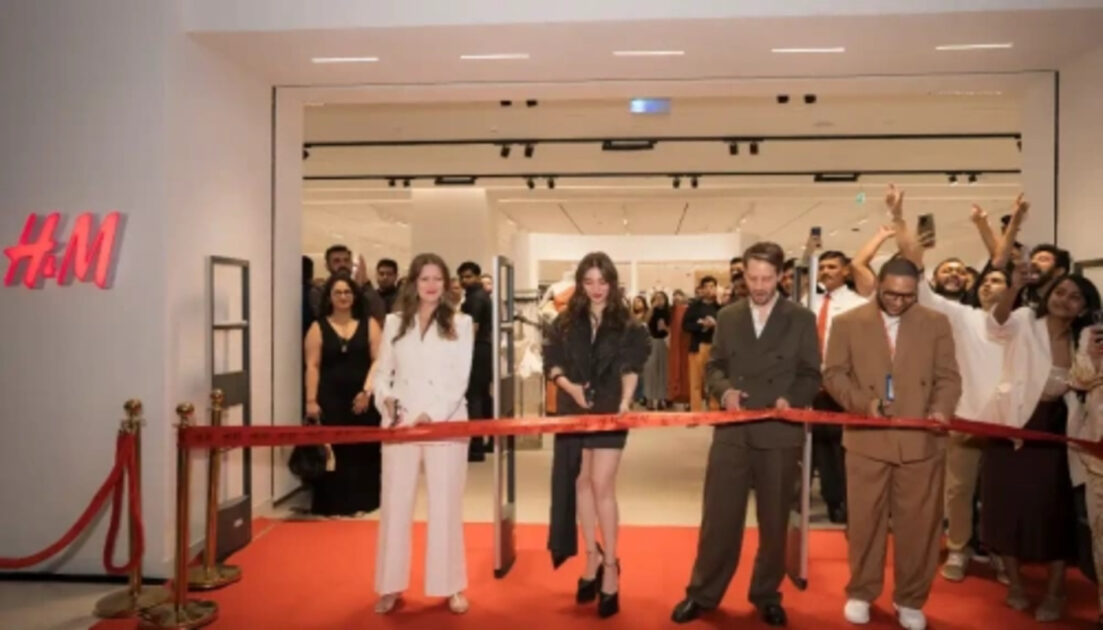
This transformation was on full display when H&M unveiled the newly renovated H&M store at DLF Mall of India in Noida. Marking the occasion was Bollywood actress Tamannaah Bhatia, who officially inaugurated the store’s all-new avatar, drawing excitement from fashion enthusiasts, shoppers, and fans alike. The reopening was not merely a routine renovation announcement; it represented a strategic statement by one of the world’s largest fashion retailers about the future of fashion shopping in India.
Spread across four expansive floors, the reimagined H&M store promises a shopping experience that blends style, convenience, innovation, and visual appeal. The redesign reflects the brand’s global vision of creating modern retail spaces that cater to changing consumer expectations while reinforcing the role of physical stores in a digitally driven world.
The reopening has generated significant buzz among fashion lovers, not only because of the scale of the renovation but also because it signals a broader shift in how international brands view the Indian market. As India’s fashion-conscious population continues to grow, investments in flagship retail experiences are becoming increasingly important.
Tamannaah Bhatia Brings Star Power to the Celebration
Few celebrities today enjoy the kind of pan-India appeal that Tamannaah Bhatia has cultivated over the years. With a successful career spanning Hindi, Telugu, and Tamil cinema, Tamannaah has established herself as one of India’s most recognizable fashion and entertainment personalities.
Her association with the H&M reopening was a natural fit. Known for her versatile style choices, fashion-forward appearances, and strong social media presence, Tamannaah embodies the modern consumer that global fashion brands increasingly seek to connect with—confident, trend-aware, and culturally influential.
At the inauguration event, Tamannaah’s presence elevated the reopening from a retail announcement to a major lifestyle moment. Fans gathered to catch a glimpse of the actress, while fashion media outlets closely followed the event. The combination of celebrity influence and brand prestige created a sense of occasion that resonated well beyond the walls of the mall.
Celebrity partnerships have become an important marketing strategy for fashion brands operating in India. While consumers are often exposed to countless advertisements daily, a well-matched celebrity appearance can generate authenticity and excitement that traditional marketing campaigns struggle to achieve.
Tamannaah’s involvement highlighted H&M’s commitment to remaining culturally relevant while strengthening its connection with Indian consumers.
The Evolution of H&M in India
Since entering the Indian market, H&M has steadily expanded its presence across major cities, becoming one of the most recognizable international fast-fashion brands in the country.
The Swedish retailer entered India at a time when the country’s retail sector was undergoing significant transformation. Rising disposable incomes, increasing exposure to global trends, and growing interest in affordable fashion created favorable conditions for international brands.
Over the years, H&M has successfully positioned itself as a destination for trend-conscious consumers seeking contemporary fashion without luxury-level price tags. Its collections, collaborations, and seasonal launches have consistently attracted a broad customer base ranging from students and young professionals to families and fashion enthusiasts.
The reopening of the DLF Mall of India store reflects how the brand’s ambitions in India have evolved. The focus is no longer solely on expanding geographical reach. Instead, attention is increasingly shifting toward improving customer experiences, optimizing store layouts, and creating flagship destinations that enhance brand engagement.
This strategy aligns with global retail trends where experience often carries as much value as the products themselves.
Why DLF Mall of India Matters
The significance of this reopening becomes even clearer when considering the importance of DLF Mall of India within India’s retail ecosystem.
Located in Noida, the mall is widely recognized as one of the country’s largest and most prominent shopping destinations. Its vast size, extensive brand portfolio, and high footfall make it an attractive location for both domestic and international retailers.
For brands like H&M, flagship locations serve purposes beyond sales generation. They function as brand showcases, allowing companies to present their full vision, merchandise range, and design philosophy.
A flagship store often becomes the physical embodiment of a brand’s identity.
The DLF Mall of India location offers H&M the opportunity to engage with diverse consumer groups while benefiting from the mall’s reputation as a premium shopping destination. By investing heavily in the renovation of this particular store, H&M signals its confidence in both the location and the broader Indian retail market.
The scale of the redesigned space further reinforces its importance within H&M’s Indian portfolio.
A Four-Floor Fashion Experience
One of the most striking aspects of the revamped store is its four-floor layout.
Modern consumers increasingly expect retail environments to be intuitive, spacious, and visually engaging. The new design appears tailored to meet these expectations while maximizing accessibility and convenience.
Large-format stores offer several advantages.
First, they allow brands to showcase a broader range of products. Customers can explore collections more comprehensively without feeling constrained by limited space.
Second, expansive layouts create a more comfortable shopping environment. Wide aisles, improved navigation, and organized product displays reduce shopping fatigue and encourage longer visits.
Third, larger stores support stronger visual storytelling. Fashion retail today relies heavily on presentation, and spacious environments enable brands to create immersive displays that highlight trends, seasonal collections, and lifestyle inspirations.
The four-floor format transforms shopping from a transactional activity into an exploratory experience.
Consumers are encouraged to spend time browsing, discovering, and interacting with products in ways that online platforms cannot fully replicate.
Retail Design Is Becoming a Competitive Advantage
The reopening also reflects a larger trend within the global fashion industry: the growing importance of retail design.
For decades, product quality and pricing dominated retail competition. While these factors remain important, store design has emerged as a significant differentiator.
Consumers increasingly judge brands not only by what they sell but also by how they present themselves.
Modern retail spaces incorporate elements of architecture, technology, visual merchandising, and customer psychology. Lighting, layouts, materials, signage, and navigation systems are carefully planned to enhance shopper comfort and engagement.
The renovated H&M store appears to embrace this philosophy.
Its upgraded interiors reflect a desire to create a modern, inviting atmosphere that aligns with the expectations of contemporary consumers. The emphasis is not merely on displaying clothing but on creating an environment that feels aspirational, accessible, and enjoyable.
As competition within India’s fashion sector intensifies, investments in retail design are likely to become even more important.
The Battle Between Physical Retail and E-Commerce
The timing of this reopening is particularly noteworthy given the ongoing evolution of consumer shopping habits.
E-commerce has transformed the fashion industry over the past decade. Online platforms offer convenience, competitive pricing, and extensive product selections. As a result, many industry analysts predicted that physical retail would gradually lose relevance.
Yet reality has proven more nuanced.
While online shopping continues to grow, consumers still value in-person experiences for certain categories, especially fashion. Clothing purchases often involve tactile evaluation, fit assessment, and immediate gratification that digital platforms cannot fully replicate.
Retailers have responded by transforming stores into experiential destinations.
Rather than competing directly with e-commerce on convenience, physical stores are focusing on sensory engagement, personalized service, and immersive environments.
The reopening of H&M’s flagship location reflects this strategic shift. It demonstrates confidence in the continued relevance of physical retail while acknowledging the need to evolve beyond traditional shopping models.
Fashion as an Experience
One reason physical stores remain important is that fashion itself is inherently experiential.
Consumers do not simply buy garments; they buy identity, self-expression, confidence, and aspiration.
A thoughtfully designed retail environment enhances these emotional dimensions.
When shoppers enter a visually appealing store, interact with curated displays, and experience products firsthand, the connection between brand and consumer becomes stronger.
The new H&M store appears designed to facilitate these emotional interactions.
From browsing new collections to exploring seasonal trends, customers are invited to engage with fashion in a way that feels dynamic and inspiring.
This approach reflects a broader understanding within the fashion industry that successful retail experiences must appeal to emotions as much as practical needs.
The Role of Celebrity Culture in Fashion Retail
Tamannaah Bhatia’s involvement also highlights the increasingly close relationship between celebrity culture and fashion retail.
Celebrities influence consumer preferences not only through endorsements but also through lifestyle associations. Fans often view fashion choices as extensions of personality and aspiration.
As social media continues to amplify celebrity visibility, these associations become even more powerful.
A store reopening attended by a popular actress generates media attention, social engagement, and public curiosity. The event becomes newsworthy beyond the retail industry itself.
For brands, such moments offer opportunities to strengthen cultural relevance while attracting new audiences.
For consumers, celebrity appearances add excitement and exclusivity to otherwise routine shopping experiences.
The H&M reopening effectively leveraged this dynamic by combining retail innovation with star power.
What It Means for India’s Fashion Industry
The renovated store also reflects broader confidence in India’s fashion market.
India remains one of the world’s most promising retail destinations due to its large population, expanding middle class, and growing appetite for international brands.
Global retailers increasingly recognize the country’s long-term potential.
Investments in flagship stores, premium locations, and enhanced customer experiences indicate that brands are thinking beyond short-term sales metrics. They are positioning themselves for sustained growth in an increasingly competitive market.
The reopening serves as evidence that international companies view India not merely as an expansion opportunity but as a strategically important market deserving significant investment.
This trend is likely to continue as consumer spending power grows and fashion consciousness expands across urban centers.
Social Media and the Modern Shopping Destination
Another important aspect of modern retail design is its relationship with social media.
Today’s consumers frequently share shopping experiences online, transforming stores into content creation spaces.
A visually striking environment can generate organic marketing through customer-generated photos, videos, and reviews.
Retailers increasingly understand that aesthetics influence not only in-store experiences but also digital visibility.
The redesigned H&M store appears well-positioned to benefit from this trend. Its upgraded interiors and expansive layout create opportunities for shoppers to document and share their experiences.
Such visibility extends the store’s reach far beyond its physical location, contributing to brand awareness and engagement.
In many ways, modern flagship stores function as both retail destinations and marketing platforms.
Looking Ahead
The reopening of H&M’s flagship store at DLF Mall of India represents more than a renovation project. It symbolizes the future direction of fashion retail in India.
As consumer expectations evolve, brands must continuously innovate to remain relevant. Shopping is no longer solely about purchasing products. It is increasingly about experience, engagement, and connection.
The combination of a four-floor format, upgraded design, premium location, and celebrity-backed launch positions the store as a significant addition to India’s retail landscape.
For H&M, it reinforces the brand’s commitment to the Indian market.
For shoppers, it offers an enhanced fashion destination.
For the broader industry, it provides another example of how physical retail can remain vibrant and competitive in the digital age.
Final Thoughts
Tamannaah Bhatia’s inauguration of H&M Mall of India’s all-new avatar was more than a glamorous launch event. It marked the unveiling of a retail concept designed for the future of fashion shopping. By transforming its flagship location into a four-floor immersive destination, H&M has demonstrated that physical stores continue to play a vital role in consumer engagement.
The reopening reflects changing retail priorities, growing confidence in India’s fashion market, and the increasing importance of experiential shopping. From innovative design and expanded product displays to celebrity-driven excitement and social media appeal, the revamped store represents a comprehensive vision of modern retail.
As fashion brands navigate an increasingly competitive landscape, experiences like these may become the benchmark rather than the exception. The newly upgraded H&M at DLF Mall of India is not simply a place to shop—it is a statement about where fashion retail is headed next.