 by
by Some films are watched. Others are felt.
And then there are films that begin long before the opening scene and continue long after the credits roll. Imtiaz Ali’s latest romantic drama, Main Vaapas Aaunga, seems determined to belong to the third category.
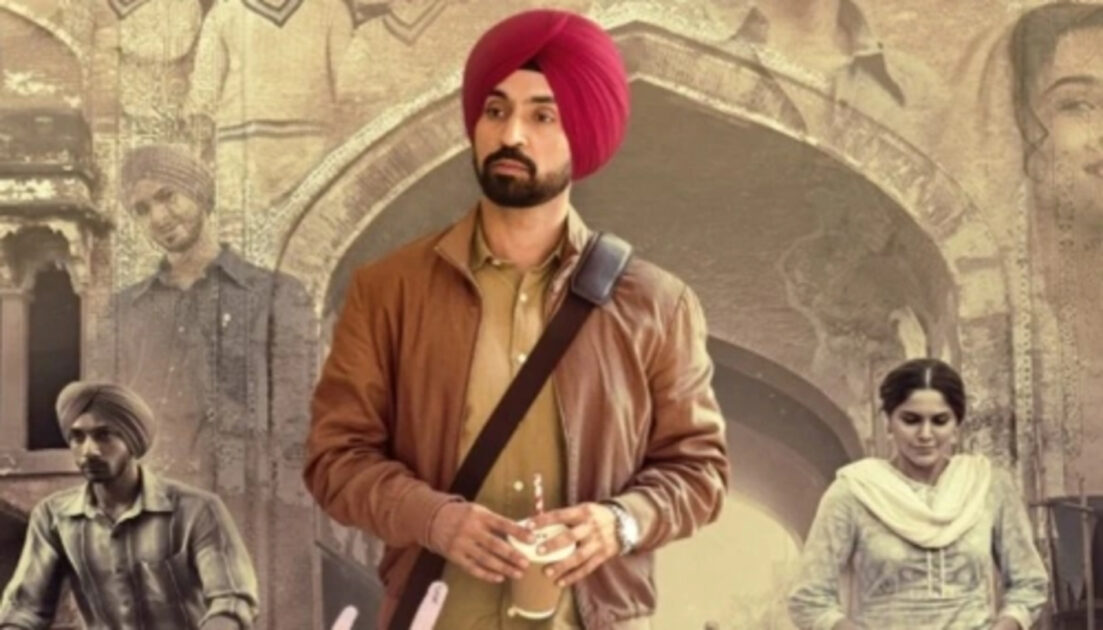
After months of anticipation, discussions, speculation, and excitement surrounding the cast and the emotional world promised by the trailer, Main Vaapas Aaunga has finally arrived in cinemas. Featuring Diljit Dosanjh, Vedang Raina, Sharvari, and veteran actor Naseeruddin Shah, the film unfolds as an emotional journey shaped by longing, memory, separation, and the idea of returning—not always to a place, but sometimes to a person, a version of yourself, or a feeling that never truly left.
As expected, audiences rushed to social media soon after first-day screenings.
Twitter (X) instantly became a digital post-screening lobby where viewers shared emotional reactions, performance reviews, unexpected observations, and honest opinions. Some emerged deeply moved. Others debated expectations versus delivery. But one thing became clear quickly: this is not a film people are watching passively.
Before you decide whether to book your ticket, here are nine Twitter reactions and audience conversations shaping early impressions of Main Vaapas Aaunga.
1. “Imtiaz Ali returns to what he understands best—love and longing.”
One of the earliest reactions dominating social media was recognition.
Many viewers felt the film carries the emotional identity that audiences associate with Imtiaz Ali’s storytelling. Not because it repeats old ideas, but because it revisits themes that have become central to his cinematic voice.
People trying to understand themselves.
Relationships interrupted by time.
Love existing beyond certainty.
Several viewers described the movie as emotionally reflective rather than traditionally dramatic. Instead of rushing through emotional moments, the story reportedly allows silence, pauses, and atmosphere to become part of the storytelling.
Many viewers appreciated that approach.
Others found it slower than expected.
But almost everyone agreed that the emotional intention feels deliberate.
2. “Diljit Dosanjh delivers emotion quietly.”
Among all conversations online, Diljit Dosanjh’s performance generated some of the strongest reactions.
Viewers repeatedly commented that his performance feels restrained rather than theatrical.
Instead of relying on dramatic dialogue delivery, audiences highlighted expressions, pauses, and emotional control.
At the same time, another conversation appeared repeatedly.
A section of viewers felt surprised by how much screen presence they expected versus how much they perceived in the final film.
This became one of the major discussion points online—not criticism of the acting itself, but conversation around audience expectations.
Still, even among mixed reactions, appreciation for Diljit’s emotional performance remained consistent.
3. “Vedang Raina feels completely at home in this world.”
Every generation of cinema produces actors who seem naturally suited for emotionally driven stories.
According to early viewers, Vedang Raina may be building that reputation.
Twitter users repeatedly highlighted his sincerity and emotional ease.
Instead of attempting oversized performances, audiences noted that his scenes appear grounded and believable.
Several viewers felt his presence added freshness to the film’s emotional dynamic.
What audiences seem to appreciate most is that he doesn’t appear to chase dramatic moments—instead, he allows scenes to unfold naturally.
That approach appears to have connected strongly with younger audiences.
4. “Sharvari is one of the pleasant surprises.”
Before release, audience discussions around Sharvari included curiosity and hesitation.
Would she fit into an emotionally layered Imtiaz Ali film?
Could she hold emotional intensity without relying on glamour?
Early audience reactions suggest many viewers left impressed.
Social media conversations repeatedly mentioned her emotional vulnerability and natural chemistry with the cast.
Rather than becoming decorative presence, audiences felt she contributed emotional movement to the story.
Her performance appears to be one of the film’s quieter victories.
5. “Naseeruddin Shah changes the emotional energy every time he appears.”
There are performances that dominate.
And there are performances that deepen.
According to audience reactions, Naseeruddin Shah belongs firmly in the second category here.
Viewers repeatedly discussed the emotional maturity and calm authority he brings to the narrative.
His scenes reportedly carry emotional depth that expands the film beyond romance.
For many viewers, his presence became one of the most memorable parts of the experience.
His performance appears less concerned with dramatic display and more focused on emotional truth.
6. “The soundtrack doesn’t interrupt the story—it becomes the story.”
No Imtiaz Ali film escapes conversations about music.
And Main Vaapas Aaunga seems no different.
Twitter reactions repeatedly highlighted the emotional role of songs.
Viewers described the soundtrack as carrying emotional transitions rather than functioning as separate entertainment moments.
Songs reportedly extend feelings instead of pausing narrative movement.
Many users mentioned replay value and emotional atmosphere as standout elements.
Even viewers with mixed feelings about pacing often singled out the music as memorable.
7. “Don’t go expecting a fast commercial entertainer.”
Perhaps the most practical audience advice appearing online was simple:
Know what kind of movie you’re watching.
Multiple reactions suggested that Main Vaapas Aaunga operates at a slower emotional rhythm.
This isn’t structured around constant twists or spectacle.
Instead, audiences described gradual emotional build-up and reflective storytelling.
For some viewers, this became the film’s biggest strength.
For others, it required patience.
Expectation management appears to be one of the most important factors shaping audience experience.
8. “You leave the theatre carrying emotions, not explanations.”
One interesting pattern across social media wasn’t discussion about plot.
It was discussion about feeling.
Several viewers explained that they struggled to summarize the movie immediately after watching.
Not because they were confused.
But because they were processing.
This kind of response often appears around emotionally reflective films.
People don’t leave discussing what happened.
They leave discussing how it felt.
That seems to be happening here.
9. “This feels like a film people will revisit later.”
Some movies dominate opening weekend.
Others become emotional favourites over time.
Among audience discussions, one recurring prediction suggested that Main Vaapas Aaunga may become a film people rediscover later.
Viewers compared the emotional texture to films that gain appreciation after repeat watches.
Whether that prediction becomes reality remains to be seen.
But the conversation itself says something meaningful.
People aren’t treating the film as disposable entertainment.
They’re engaging with it.
Another conversation emerging across Twitter revolves around visual storytelling. Many viewers commented that Main Vaapas Aaunga appears more interested in creating emotional atmosphere than chasing visual spectacle. Instead of relying on dramatic cinematic moments every few minutes, audiences noted the use of quieter frames, lingering shots, and spaces that allow emotions to breathe. Several reactions suggested that this style may not work for everyone instantly, but those who enjoy immersive storytelling found themselves becoming more invested as the narrative progressed. For these viewers, the film’s strength lies in mood rather than momentum.
Interestingly, audience reactions also highlighted how differently people interpreted the central relationships in the film. Some viewers described the story as deeply romantic, while others argued that it feels more reflective than romantic. A section of Twitter users believed the film speaks less about finding love and more about understanding what remains after love changes shape. This divide in interpretation became one of the more fascinating online discussions because it reflects how emotionally subjective cinema can be. People appeared to leave the theatre carrying entirely different emotional conclusions.
Another recurring theme across social media was nostalgia. Even younger audiences who did not grow up with classic slow-burn romance films commented that Main Vaapas Aaunga reminded them of an older style of storytelling. Rather than chasing instant emotional payoffs, the film reportedly asks viewers to stay patient and absorb emotional details. Many users appreciated this departure from fast-cut contemporary entertainment. Several reactions suggested that whether audiences loved or disliked the film, they respected its willingness to move at its own emotional pace instead of following trends.
As discussions continue online, one thing appears increasingly clear: Main Vaapas Aaunga has sparked conversation beyond simple ratings and box office debates. Viewers are discussing performances, emotional interpretation, pacing, music, and what the ending means to them personally. That type of engagement often signals that a film has connected on a deeper level with at least part of its audience. Whether it becomes a long-term favourite or remains a divisive release, the movie has already achieved something valuable—it has given people something to talk about after leaving the theatre.
Final Verdict: Should You Watch Main Vaapas Aaunga?
If your ideal movie experience includes emotional storytelling, layered performances, meaningful music, and reflective romance, Main Vaapas Aaunga may deserve a place on your watchlist.
If you prefer rapid pacing, high-energy entertainment, and constant movement, this may feel slower than expected.
But based on early social media reactions, one thing seems clear.
People aren’t walking out indifferent.
And sometimes, that’s what makes a film memorable.
Whether audiences ultimately embrace it widely or debate it for months, Main Vaapas Aaunga appears to have achieved something increasingly rare in modern cinema:
It started a conversation.