 by
by The Hindi film industry has long been associated with relentless production schedules, overlapping film commitments, promotional tours, and physically demanding shoots that often leave little room for personal milestones. Yet, in recent years, conversations around work-life balance, mental well-being, and family priorities have slowly begun reshaping expectations for actors and filmmakers alike.
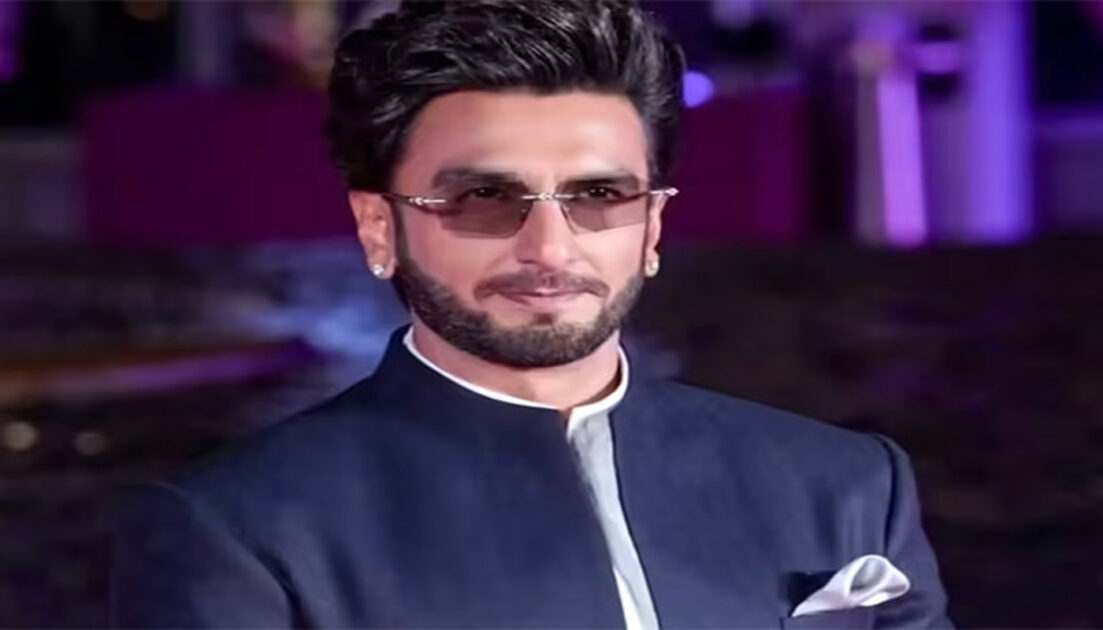
According to recent media reports, Ranveer Singh is preparing to begin filming Pralay, an upcoming zombie thriller directed by Jai Mehta, before taking a planned paternity leave following the reported birth of his and Deepika Padukone’s second child. While neither the actor nor the film’s makers have officially confirmed these details, the reported timeline has generated significant discussion because it touches on two noteworthy developments simultaneously: Bollywood’s increasing interest in genre filmmaking and a growing acceptance of family-first decisions by leading stars.
If the reported schedule proves accurate, Pralay would not only represent Ranveer Singh’s entry into the relatively uncommon zombie-thriller space within mainstream Hindi cinema but also highlight a broader cultural shift where personal responsibilities are increasingly acknowledged alongside professional commitments.
This reported development reflects larger conversations about changing audience expectations, evolving workplace practices in the entertainment industry, and the ways modern Bollywood stars balance commercial success with private life.
A Reported Shooting Plan Designed Around Family Commitments
According to reports circulating in entertainment media, Ranveer Singh is expected to begin shooting Pralay next month under the direction of Jai Mehta.
The reported production strategy appears carefully structured. Rather than attempting to complete the film without interruption, the first shooting schedule is said to continue until around the Diwali festive period. Production would then temporarily pause, allowing Ranveer to reportedly take paternity leave after welcoming his second child with wife Deepika Padukone.
Reports further suggest that filming would resume only in 2027.
Although these plans remain unofficial until confirmed by the actor or the production team, the proposed schedule has attracted attention because it reflects an increasingly flexible approach to filmmaking.
Large-scale productions traditionally aim to minimize delays due to the logistical challenges of coordinating actors, technicians, locations, and budgets. Choosing to deliberately pause production—if accurate—would demonstrate that modern filmmaking schedules can sometimes be adapted around significant family milestones rather than expecting personal life to fit around professional demands.
A Zombie Thriller Adds Fresh Variety to Ranveer Singh’s Filmography
One of the most intriguing aspects of Pralay is its reported genre.
Zombie thrillers have remained surprisingly rare within mainstream Hindi cinema despite the global popularity of horror-action stories involving survival, epidemics, and post-apocalyptic scenarios.
Indian cinema has certainly experimented with horror, supernatural stories, psychological thrillers, and folklore-inspired narratives. However, full-scale zombie films have appeared only occasionally and often outside the biggest commercial productions.
If Pralay indeed embraces the zombie-thriller format, it would introduce Ranveer Singh into an entirely different cinematic space from many of his previous performances.
Throughout his career, Ranveer has frequently embraced transformation, whether through historical dramas, sports films, action entertainers, romantic comedies, or socially driven narratives. His willingness to explore varied characters has become one of his defining professional characteristics.
A zombie thriller offers opportunities for:
- survival-driven storytelling
- intense action sequences
- psychological tension
- large-scale visual effects
- world-building rarely explored in Hindi commercial cinema
Should the film successfully combine these elements with strong storytelling, Pralay could contribute to expanding genre diversity within mainstream Bollywood.
Jai Mehta and Vishal Kapoor Bring Distinct Storytelling Backgrounds
According to reports, the screenplay has been co-written by director Jai Mehta and Vishal Kapoor.
Kapoor has earned recognition through projects such as Lootere, which demonstrated an ability to sustain tension while developing layered characters.
Collaborative writing often benefits ambitious genre films because balancing horror, action, suspense, and emotional storytelling requires careful pacing.
Zombie stories rarely succeed on spectacle alone.
Internationally successful examples often depend upon:
- believable character relationships
- moral dilemmas
- survival psychology
- emotional stakes
- believable world-building
If Pralay follows similar storytelling principles, audiences may experience something more substantial than conventional jump scares or action sequences.
Genre Cinema Is Becoming Increasingly Important in Bollywood
The reported development also reflects another significant trend.
Bollywood has gradually moved beyond relying exclusively on romance, family dramas, and conventional action films.
Over the past decade, audiences have become increasingly receptive to:
- horror comedies
- survival thrillers
- crime dramas
- dystopian fiction
- fantasy
- science fiction
- psychological suspense
Streaming platforms have further accelerated this shift by exposing Indian viewers to international storytelling styles across multiple genres.
Today’s audience often expects fresh concepts rather than familiar formulas.
As a result, producers have shown greater willingness to invest in projects that previously might have been considered commercially risky.
Zombie fiction remains relatively underrepresented in Hindi cinema, meaning Pralay—if executed effectively—could occupy a distinctive space in the market.
The Challenge of Making Zombie Stories Work in India
Zombie narratives present unique creative challenges.
Unlike supernatural horror rooted in folklore or mythology, zombie stories require convincing explanations for outbreaks, societal collapse, and large-scale survival scenarios.
Filmmakers must balance several elements simultaneously:
Realistic World-Building
Audiences need believable rules governing the fictional outbreak.
Emotional Investment
Viewers connect more strongly when character relationships remain central despite large-scale chaos.
Visual Effects
Creating convincing infected creatures often demands sophisticated makeup, prosthetics, CGI, and action choreography.
Social Commentary
Many successful zombie films use fictional outbreaks to explore real-world anxieties involving healthcare, politics, misinformation, inequality, or human behavior under pressure.
If Pralay embraces these deeper storytelling opportunities, it could resonate beyond its horror premise.
Ranveer Singh’s Career Has Often Been Defined by Reinvention
One consistent aspect of Ranveer Singh’s professional journey has been his willingness to avoid creative repetition.
Rather than remaining confined to one screen persona, he has explored diverse genres and performance styles.
Across various films, audiences have seen him portray:
- romantic leads
- historical rulers
- athletes
- anti-heroes
- larger-than-life action characters
- emotionally vulnerable protagonists
Each transition has required different physical preparation, acting techniques, and performance energy.
Entering a zombie thriller continues this pattern of experimentation.
For actors seeking longevity, versatility often becomes as valuable as commercial success.
Audiences increasingly reward performers who surprise them rather than repeating familiar formulas.
Reported Paternity Leave Reflects Changing Expectations
Perhaps the most widely discussed aspect of the report concerns Ranveer Singh’s reported decision to take paternity leave.
Historically, conversations about parental leave have focused primarily on mothers.
Fathers often returned to work almost immediately following childbirth, particularly in industries known for demanding schedules.
However, attitudes have gradually evolved across many professions.
Increasingly, fathers are viewed as active caregivers rather than secondary participants in early parenting.
Although entertainment remains a high-pressure profession, public conversations surrounding fatherhood have become more balanced.
If Ranveer indeed pauses filming after the reported birth of his second child, the decision would align with broader societal shifts encouraging fathers to participate more actively during the earliest stages of family life.
Celebrity Choices Can Influence Public Conversations
Celebrity decisions often receive attention beyond entertainment news.
Whether discussing sustainability, philanthropy, mental health, or parenting, public figures sometimes influence broader cultural conversations simply because their choices receive widespread coverage.
When audiences observe successful actors prioritizing family responsibilities alongside professional commitments, such stories may contribute—however indirectly—to changing perceptions of modern fatherhood.
This does not imply celebrities create these cultural shifts independently.
Rather, they often reflect evolving social attitudes already taking shape.
The increasing visibility of involved fathers across different professions has gradually normalized conversations around shared parenting responsibilities.
Balancing Stardom and Parenthood
For leading actors, balancing career momentum with family life can be particularly challenging.
Film schedules frequently involve:
- overseas shoots
- night filming
- action rehearsals
- promotional tours
- award ceremonies
- advertising commitments
Maintaining uninterrupted availability has traditionally been viewed as essential for sustaining commercial success.
However, today’s entertainment landscape offers greater scheduling flexibility than previous decades.
Longer production windows, streaming projects, and changing audience consumption patterns sometimes allow actors to structure commitments differently.
If Pralay genuinely pauses production after its first schedule, it may represent another example of productions adapting around artists’ personal priorities rather than expecting constant availability.
The Importance of Planned Production Breaks
Temporary pauses during filming are not always signs of production problems.
Large films frequently divide shooting into multiple schedules based on:
- seasonal requirements
- location availability
- actor commitments
- visual effects preparation
- festival calendars
- weather conditions
Adding a planned family-related break could therefore become one more scheduling consideration rather than an unexpected disruption.
Successful productions often depend upon flexibility.
Careful planning can sometimes reduce pressure rather than increasing it.
Expectations Following
Dhurandhar
Reports position Pralay as Ranveer Singh’s next major project following the commercial performance of Dhurandhar and its sequel.
Sequels naturally raise audience expectations.
Fans often become curious whether an actor will continue repeating commercially successful formulas or pursue entirely different creative directions.
If Pralay indeed becomes his next major release, shifting from action entertainment toward zombie horror would represent a notable contrast.
Such transitions help prevent audience fatigue while expanding an actor’s creative portfolio.
Why Horror Continues to Evolve Globally
Zombie films have endured internationally because they combine multiple genres simultaneously.
They often include:
- action
- suspense
- emotional drama
- survival
- science fiction
- psychological conflict
This flexibility allows filmmakers to explore themes far beyond monsters themselves.
Many acclaimed zombie stories ultimately examine:
- fear
- trust
- community
- sacrifice
- leadership
- resilience
The infected characters frequently become symbolic rather than simply frightening.
Whether Pralay adopts similar thematic ambitions remains unknown, but the genre certainly offers substantial creative possibilities.
Bollywood’s Expanding Technical Ambitions
Modern Hindi cinema has significantly improved its technical capabilities over the past decade.
Visual effects, prosthetics, stunt coordination, sound design, and production design have become increasingly sophisticated.
Genre films particularly benefit from these advancements.
Creating convincing horror environments requires more than frightening creatures.
Atmosphere depends upon:
- lighting
- sound
- editing rhythm
- production design
- cinematography
- practical effects
If Pralay combines technical excellence with compelling storytelling, it could help strengthen confidence in large-scale Indian horror productions.
Audience Curiosity Remains High Despite Limited Official Information
Interestingly, much of the discussion surrounding Pralay stems from relatively limited confirmed information.
Beyond reports describing it as a zombie thriller and identifying its reported creative team, plot details remain largely undisclosed.
This secrecy has naturally fueled speculation.
However, audiences increasingly appreciate marketing strategies that reveal only essential information rather than exposing major story twists before release.
Maintaining mystery often benefits suspense-oriented films.
Why Official Confirmation Still Matters
Despite widespread reporting, it remains important to distinguish between industry reports and official announcements.
Neither Ranveer Singh nor the filmmakers have publicly confirmed:
- the reported shooting schedule
- the production pause
- the paternity leave timeline
- filming dates
- release plans
Responsible entertainment reporting requires acknowledging this distinction.
Production schedules frequently evolve due to creative, logistical, financial, or personal considerations.
Until official confirmation arrives, these reported timelines should be viewed as provisional rather than definitive.
Family, Flexibility, and the Future of Bollywood
Whether or not the reported production timeline remains unchanged, the discussion itself reflects how Bollywood continues evolving.
Audiences increasingly expect authenticity from public figures—not only in performances but also in how they navigate life’s major milestones.
The idea that a leading commercial actor could reportedly schedule a major production around family responsibilities illustrates changing industry priorities.
At the same time, Pralay represents another encouraging sign that mainstream Hindi cinema is becoming more adventurous in its choice of genres. Horror, survival fiction, and zombie narratives offer opportunities to tell stories that combine spectacle with emotional depth, potentially broadening the range of experiences available to audiences.
If the reported schedule proceeds as planned, Ranveer Singh would enter a relatively unexplored genre before temporarily stepping away to focus on fatherhood, reflecting two distinct yet equally significant trends: creative experimentation and evolving attitudes toward work-life balance.
For Bollywood, both developments symbolize an industry that is gradually becoming more flexible, more diverse in its storytelling, and more willing to recognize that successful careers and meaningful family commitments need not exist in opposition. While official confirmation regarding the production timeline is still awaited, the conversation surrounding Pralay has already highlighted important questions about modern filmmaking, changing social expectations, and the future direction of Hindi cinema.