 by
by Indian cinema has always shared an interesting relationship with horror.
Unlike romance, action, or family dramas that dominate mainstream releases, horror has traditionally existed as a genre that appears in cycles—disappearing for periods before returning with renewed energy. Yet whenever a horror film manages to combine atmosphere, emotion, storytelling, and music, it often leaves a lasting cultural impact.
Now, one of the most recognizable faces associated with modern Hindi horror is stepping back into the space.
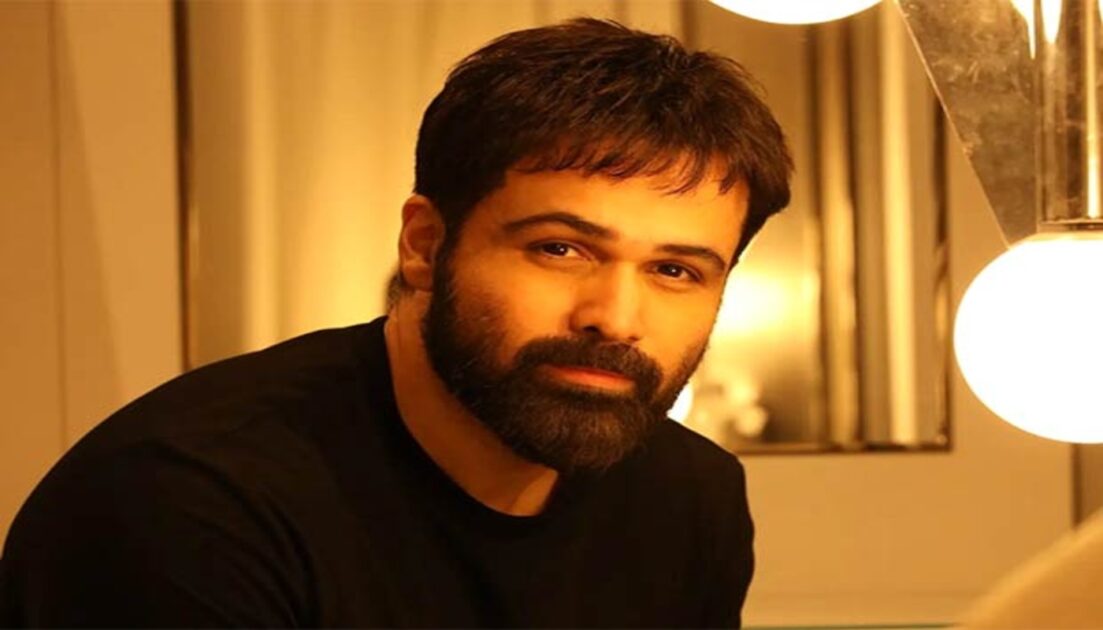
Emraan Hashmi is returning to the horror genre with Rooh, a high-concept musical-horror spectacle scheduled for theatrical release in 2027 across Hindi, Tamil, and Telugu languages. The announcement has immediately created excitement among audiences who associate the actor with an era of emotional thrillers, memorable soundtracks, and supernatural storytelling.
But Rooh appears to represent more than a comeback.
Its arrival signals how Indian horror continues to evolve and how audiences may once again be ready for cinematic experiences built around emotion, suspense, and immersive storytelling.
Another reason Rooh stands out is the growing audience appetite for genre-blending cinema. Modern viewers increasingly appreciate films that refuse to stay within traditional boundaries. Horror is no longer expected to exist only to frighten; audiences now look for emotional complexity, visual artistry, and layered storytelling. By introducing musical elements into a horror framework, Rooh has the opportunity to create moments that feel emotionally expansive while maintaining suspense. If executed thoughtfully, this approach could make the film accessible not only to horror enthusiasts but also to viewers who typically gravitate toward dramatic or musical narratives.
At the same time, expectations around theatrical releases have become more demanding than ever. Audiences want films that justify the experience of leaving home and watching stories on the big screen. Spectacle alone is not enough—people increasingly seek memorable moments that stay with them after the credits roll. For Rooh, this means balancing scale with intimacy, fear with emotion, and music with narrative depth. If the film manages to create that balance, it may not only mark an important return for Emraan Hashmi but also become a notable chapter in contemporary Indian horror cinema.
The Return of a Familiar Horror Face
Over the years, Emraan Hashmi has built an identity that extends beyond conventional commercial cinema.
While he has explored multiple genres throughout his career, horror and supernatural thrillers remain closely tied to his public image. During the late 2000s and early 2010s, he became one of the actors audiences frequently associated with atmospheric suspense and emotionally driven horror narratives.
Films featuring supernatural elements helped establish a cinematic style that focused not just on fear but also on relationships, internal struggles, longing, mystery, and dramatic storytelling.
Unlike traditional horror films that rely heavily on frightening visuals, many of these projects created impact through emotional tension and psychological uncertainty.
This approach helped make horror feel accessible to mainstream viewers.
Now, after roughly five years away from the genre, Emraan Hashmi’s return through Rooh feels significant—not simply because of nostalgia but because audiences have changed.
Viewers today expect more from horror than isolated jump scares.
They want stories.
They want emotional depth.
They want experiences that remain memorable after leaving the theatre.
How Horror in India Has Changed
To understand why Rooh is attracting attention, it is useful to look at how Indian horror itself has transformed over time.
Early Indian horror often relied on gothic visuals, dramatic performances, haunted locations, and supernatural folklore. These films became memorable because of their unique style and emotional intensity.
As filmmaking evolved, horror expanded into psychological themes.
Stories began exploring grief, identity, trauma, memory, and emotional conflict alongside supernatural elements.
Today’s audiences are more exposed to international cinema and streaming content than ever before.
This means expectations have changed.
Modern horror viewers look for:
- believable characters,
- immersive environments,
- strong visual execution,
- meaningful emotional stakes,
- and original concepts.
Simply presenting ghosts or supernatural scenes is no longer enough.
Successful horror now depends on creating atmosphere and emotional investment.
That changing audience expectation creates both opportunity and pressure for projects like Rooh.
The Unusual Appeal of Musical Horror
One of the most discussed aspects of Rooh is its identity as a musical-horror film.
At first glance, horror and music may seem like opposite experiences.
Horror often uses silence and tension.
Music often creates release and emotional connection.
But Indian cinema has historically approached storytelling differently.
Music has never existed as decoration alone.
Songs often deepen emotions, expand character experiences, and shape audience memory.
Many iconic films are remembered as much for their soundtrack as their narrative.
In horror specifically, music can create anticipation, sadness, nostalgia, unease, and emotional intensity.
Rather than interrupting suspense, carefully placed music can strengthen it.
That appears to be the direction Rooh intends to explore.
The idea of combining emotional storytelling, music, and horror creates opportunities for something visually and emotionally distinctive.
This concept also aligns naturally with Emraan Hashmi’s filmography.
Several of his previous films became memorable because audiences connected deeply with both the emotional narrative and the music.
If executed effectively, Rooh could revive that experience while adapting it for a modern audience.
Why Theatres Still Matter for Horror
The decision to position Rooh as a theatrical experience feels intentional.
In recent years, audiences have increasingly consumed films through digital platforms.
However, horror continues to remain one of the strongest theatrical genres worldwide.
Fear becomes different when experienced collectively.
Watching horror in a theatre creates a unique emotional environment.
People react together.
They anticipate together.
They become immersed together.
Sound design, visual scale, and audience energy amplify the experience.
This makes horror one of the genres that still strongly benefits from cinema screens.
Positioning Rooh as a theatrical event suggests confidence in both the concept and the audience’s willingness to return to immersive viewing experiences.
Its multilingual release strategy also reflects broader changes in Indian cinema.
Genre films today increasingly aim for larger national audiences rather than remaining limited to one language market.
That approach expands reach and increases expectations.
Nostalgia Can Open Doors—But It Cannot Carry a Film
One of the immediate reactions to the announcement of Rooh was nostalgia.
Many viewers connected Emraan Hashmi’s return to memories of an earlier cinematic period defined by emotional songs, dramatic storytelling, and atmospheric horror.
But nostalgia alone rarely guarantees success.
Modern audiences are more selective.
Viewers compare films across industries and platforms.
Expectations around writing, visuals, acting, pacing, and originality have become significantly higher.
That means Rooh cannot depend solely on familiarity.
It must deliver something fresh.
If the film simply recreates earlier formulas, audiences may find it outdated.
If it builds upon those foundations and introduces new storytelling methods, it could become one of the more interesting genre releases of its year.
The Importance of Atmosphere in Horror
One reason horror continues to evolve is because fear itself has changed.
Older horror often depended on visible supernatural threats.
Today, audiences respond strongly to emotional discomfort, anticipation, uncertainty, and atmosphere.
Atmosphere creates immersion.
It makes viewers feel tension before anything frightening even happens.
Lighting, sound, silence, pacing, production design, and performances all contribute to this effect.
A successful horror film understands that audiences remember feelings more than isolated scenes.
That may become one of Rooh’s biggest strengths if it successfully combines emotional storytelling with cinematic world-building.
A musical structure may also allow moments of emotional contrast that make suspense more powerful.
Emraan Hashmi and the Evolution of Screen Identity
For actors, returning to a familiar genre can become an important career moment.
Audiences often associate performers with specific cinematic experiences.
Returning to those spaces can create renewed interest—but only when paired with growth.
Emraan Hashmi’s return to horror comes during a period where actors increasingly balance nostalgia with reinvention.
Rather than repeating past successes, audiences expect performers to bring new dimensions to familiar genres.
That challenge may work in Rooh’s favor.
The expectations attached to this project are not simply about fear.
They are about emotion, performance, storytelling, and cinematic experience.
Could
Rooh
Influence Future Indian Horror?
If Rooh performs strongly, its influence may extend beyond one release.
Indian cinema has often demonstrated that successful genre experiments encourage broader industry shifts.
A strong response could inspire:
- larger horror productions,
- more original supernatural concepts,
- greater investment in genre filmmaking,
- musical experimentation within horror,
- and more multilingual horror releases.
That possibility makes Rooh particularly interesting.
It is not positioned as a conventional horror project.
It appears designed as an event.
What Audiences Will Watch Closely
As more details emerge, viewers will likely focus on several factors.
Music
Expectations are naturally high because of the film’s musical identity.
Storytelling
Audiences increasingly prioritize emotional engagement alongside suspense.
Visual Style
Atmosphere and cinematic design often determine whether horror feels immersive.
Performances
Character depth remains essential to making fear believable.
Originality
Fresh concepts often create stronger audience connections than formula-driven narratives.
Final Thoughts
Indian horror continues to move through periods of reinvention.
Some projects succeed because of innovation.
Others succeed because they reconnect audiences with emotions they once loved.
Rooh appears to aim for both.
Emraan Hashmi’s return to horror after five years is more than a genre comeback—it reflects changing audience expectations, renewed interest in theatrical experiences, and growing confidence in horror as mainstream entertainment.
Whether the film ultimately becomes a major cinematic moment remains uncertain.
But its combination of music, atmosphere, emotion, and large-scale theatrical ambition has already created anticipation.
And in a genre built around creating anticipation, that may be the strongest beginning possible.