 by
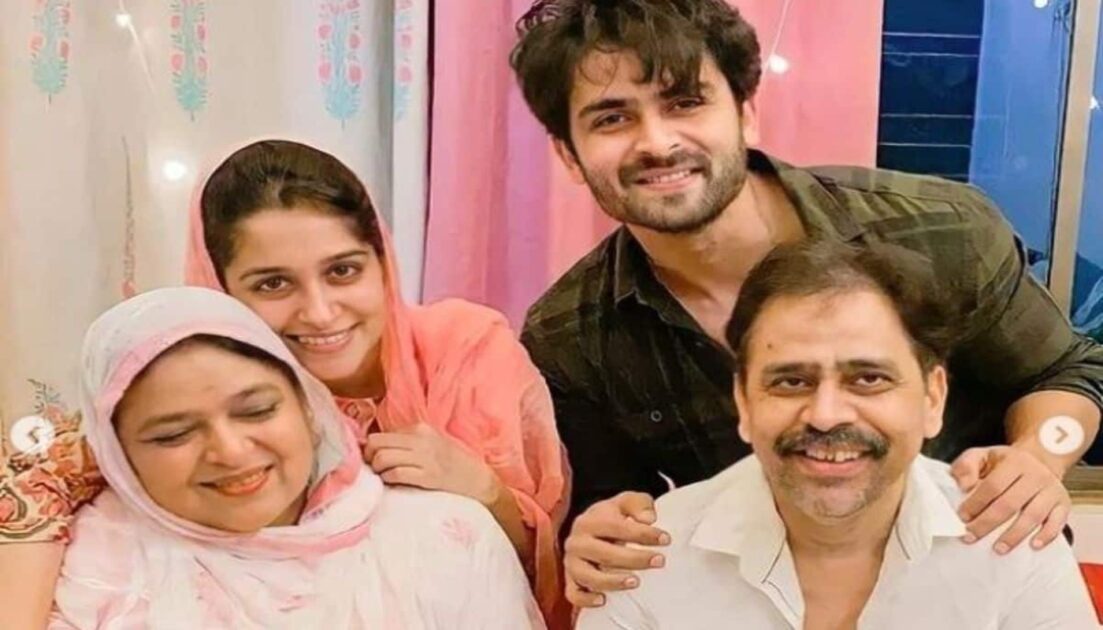
by Reports suggesting that television actress Dipika Kakar’s father-in-law has suffered another stroke have once again brought attention to a condition that is medically serious and emotionally overwhelming for families. While exact medical details remain private, the situation highlights an important reality: strokes are not always isolated events. For many patients—especially older adults or individuals with chronic conditions—stroke recurrence is a real and ongoing medical risk.
Beyond headlines, this incident opens a broader conversation about stroke recurrence, long-term recovery, caregiving challenges, and the importance of prevention. Stroke is not only a sudden medical emergency but also a long-term life-altering condition that affects both the patient and their entire family system.
WHAT IS A STROKE?
A stroke occurs when blood flow to a part of the brain is interrupted or significantly reduced. Brain cells depend on oxygen and nutrients carried by blood, and when this supply is cut off, brain cells begin to die within minutes.
There are two main types of stroke:
1. Ischemic Stroke
This is the most common type and happens when a blood clot blocks or narrows an artery leading to the brain. Without proper blood flow, the affected brain tissue gets damaged.
2. Hemorrhagic Stroke
This occurs when a blood vessel in the brain bursts, causing bleeding inside or around the brain. The pressure from the bleeding damages brain tissue.
There is also a condition called a Transient Ischemic Attack (TIA), often known as a mini-stroke. Symptoms are temporary, but it is a serious warning sign of a future full stroke.
WHY STROKES CAN HAPPEN AGAIN (RECURRENT STROKE)
A second stroke usually indicates that the underlying health conditions or risk factors are still present or not properly controlled.
Common causes include:
- High blood pressure (hypertension)
- Diabetes
- High cholesterol levels
- Heart conditions such as irregular heartbeat
- Smoking or alcohol consumption
- Sedentary lifestyle
- Chronic stress and poor sleep
Even after recovery from the first stroke, blood vessels may remain weak or partially damaged, making recurrence possible.
Doctors therefore focus not only on treating the first stroke but also on long-term prevention and monitoring.
WHY A SECOND STROKE IS MORE DANGEROUS
A recurrent stroke is usually more serious than the first one because:
- The brain may already have existing damage
- Blood vessels are weaker or more fragile
- The body’s recovery ability is reduced
- Risk of long-term disability increases
- Complications become more likely
Even if the second stroke appears mild initially, it can still lead to lasting effects such as weakness, speech difficulties, or cognitive issues.
This is why stroke patients are considered high-risk individuals for long-term medical follow-up.
EMOTIONAL IMPACT ON FAMILY
Stroke does not only affect the patient—it deeply impacts the entire family. Loved ones often experience:
- Shock and panic during the emergency phase
- Anxiety during hospitalization
- Confusion about treatment decisions
- Emotional exhaustion during recovery
- Fear of recurrence even after discharge
In cases where stroke happens again, families often feel like they are reliving earlier trauma. The emotional burden increases significantly because recovery no longer feels stable or predictable.
For families of public figures, this experience can be further complicated by public attention, but the emotional reality remains deeply personal.
THE HIDDEN REALITY OF CAREGIVING
One of the most challenging aspects of stroke recovery is caregiving. After a stroke, patients often require assistance with daily activities, depending on severity.
Care may include:
- Helping with walking or mobility
- Supporting speech and communication
- Assisting with eating or personal hygiene
- Managing medications
- Supervising daily routines
In most cases, family members become caregivers without formal training.
Caregivers often face:
- Physical exhaustion from constant assistance
- Emotional stress and worry
- Financial pressure due to treatment and therapy
- Lack of sleep and personal time
- Social isolation
Despite the difficulty, caregiving also builds strong emotional bonds. Many families find new strength, patience, and unity through shared responsibility during recovery.
STROKE RECOVERY: A LONG AND COMPLEX PROCESS
Recovery after a stroke is never the same for every patient. Some recover quickly within weeks, while others require months or even years of rehabilitation.
Recovery depends on:
- Severity of brain damage
- Location of stroke in the brain
- Speed of emergency treatment
- Patient’s age and overall health
- Quality of rehabilitation support
In recurrent strokes, recovery becomes more complicated because the brain may already have existing damage or reduced resilience.
Importantly, recovery is not just physical. It also includes:
- Speech recovery
- Memory improvement
- Emotional stability
- Cognitive function
These aspects often take longer than physical recovery.
MAJOR RISK FACTORS FOR STROKE RECURRENCE
Recurrent strokes are usually linked to ongoing medical conditions or lifestyle factors that remain uncontrolled.
Key risk factors include:
- High blood pressure
- Diabetes
- High cholesterol
- Heart diseases such as atrial fibrillation
- Obesity or inactivity
- Smoking or alcohol use
- Chronic stress
- Poor sleep quality
Because these conditions develop over time, stroke prevention requires lifelong management rather than short-term treatment.
WARNING SIGNS OF STROKE (FAST METHOD)
Recognizing early symptoms can save lives.
F – Face drooping
One side of the face may appear uneven or numb.
A – Arm weakness
One arm may become weak or difficult to lift.
S – Speech difficulty
Speech may become slurred or confusing.
T – Time to call emergency services immediately
Other warning signs include:
- Sudden dizziness
- Vision problems
- Severe headache
- Loss of balance
- Sudden confusion
Immediate action is critical to prevent permanent damage.
MEDIA COVERAGE AND THE NEED FOR SENSITIVITY
When health issues involving public figures are reported, they often spread quickly. However, it is important to approach such news responsibly.
Medical conditions are deeply personal, and families dealing with them deserve privacy and respect. Sensationalism or speculation can increase emotional stress for those already going through a difficult time.
Responsible discussion should focus on:
- Awareness and education
- Respect for privacy
- Avoiding assumptions
- Supporting understanding of health issues
WHY STROKE AWARENESS MATTERS
Stroke is one of the leading causes of disability and death worldwide. However, many cases are preventable through lifestyle changes and medical management.
Preventive measures include:
- Regular blood pressure monitoring
- Healthy, balanced diet
- Reduced salt and fat intake
- Regular physical activity
- Proper diabetes control
- Stress management
- Avoiding smoking and alcohol
Early awareness and prevention can significantly reduce the risk of both first-time and recurrent strokes.
SUPPORTING A STROKE PATIENT AT HOME
Family support plays a crucial role in recovery.
Helpful practices include:
- Maintaining a calm and structured daily routine
- Ensuring medications are taken on time
- Supporting physiotherapy and rehabilitation exercises
- Encouraging communication and speech therapy
- Providing emotional reassurance and patience
- Keeping the environment stress-free
Equally important is caregiver well-being. Without rest and emotional support, caregivers themselves can experience burnout, which affects the quality of care.
One of the most important but often ignored aspects of stroke care is lifestyle consistency after discharge from hospital. Many patients show improvement during early recovery, but relapse risk remains high if medications, diet, and monitoring are not strictly followed. Blood pressure control, regular sugar checks, and timely doctor visits play a critical role in preventing complications. Even small negligence—like skipping medication or ignoring fatigue—can increase risk over time. Families must understand that stroke recovery is not just treatment-based but discipline-based. Long-term stability depends on daily habits as much as medical intervention and rehabilitation therapy.
Nutrition plays a key role in reducing the risk of recurrent strokes and supporting brain recovery. A heart-healthy diet rich in fruits, vegetables, whole grains, and lean proteins helps maintain healthy blood vessels. Reducing salt intake is especially important for managing blood pressure, which is one of the leading causes of stroke. Foods high in saturated fats and processed sugar should be limited. Hydration also supports better circulation and overall recovery. In many cases, doctors recommend personalized diet plans to match the patient’s condition. Consistent healthy eating can significantly improve long-term neurological and cardiovascular health outcomes.
Rehabilitation therapy is another essential part of stroke recovery that directly affects quality of life. Physiotherapy helps restore movement and muscle strength, while speech therapy supports communication abilities affected by brain damage. Occupational therapy assists patients in relearning daily tasks such as dressing, eating, and writing. These therapies require patience and consistency, as progress is often slow but steady. Families play a supportive role by encouraging regular practice at home. Skipping rehabilitation can delay recovery or lead to permanent limitations. Structured therapy programs are therefore crucial in helping stroke survivors regain independence and confidence in daily life.
Emotional health after a stroke is just as important as physical recovery, yet it is often overlooked. Many patients experience anxiety, depression, or frustration due to sudden lifestyle changes and physical limitations. Emotional support from family members can significantly improve recovery outcomes. Encouragement, patience, and positive reinforcement help patients stay motivated during rehabilitation. In some cases, professional psychological counseling may be needed. Creating a calm and supportive environment reduces stress and improves overall healing. Emotional stability not only benefits mental well-being but also contributes to better physical recovery and reduces the risk of future complications.
FINAL THOUGHTS
The situation surrounding Dipika Kakar’s family highlights a reality many families face but rarely discuss openly: stroke is not a one-time illness. It is often a long-term condition that requires continuous care, monitoring, and emotional strength.
Beyond headlines, this situation reflects the importance of health awareness, early detection, and consistent medical management. It also highlights the emotional resilience required by families navigating such difficult journeys.
Ultimately, stroke recovery is not only about survival—it is about rebuilding life step by step with patience, care, and support.