 by
by When reality television meets social media personalities, the result is almost always unpredictable. Add early morning call times, high-pressure stunt environments, and a group of celebrities adjusting to a tightly scheduled production—and you get a situation that can quickly spiral into humor, frustration, and viral commentary.
That is exactly what happened recently when social media personality Orry reportedly reacted to delayed arrivals on the set of Khatron Ke Khiladi Season 15. According to circulating updates and social media chatter, several contestants allegedly arrived late for an early morning shoot call, prompting Orry to joke that “punctuality has died.”
What might have been a routine production delay turned into a wider conversation about professionalism, discipline in the entertainment industry, and the evolving culture of celebrity reality television. Orry’s remark—half humorous, half exasperated—quickly gained traction online, becoming a talking point among fans and entertainment watchers.
But beyond the meme-worthy quote lies a deeper discussion: Why does punctuality become such a recurring issue on reality sets? And why do moments like this capture public attention so easily?
The Incident That Sparked the Conversation
While full production details remain within the set environment, the situation reportedly unfolded during an early morning shoot for Khatron Ke Khiladi Season 15, a show known for its physically demanding stunts, strict scheduling, and international-style production discipline.
The issue, according to reports and social media discussions, arose when several contestants did not arrive on time for a scheduled early call time. Reality shows like Khatron Ke Khiladi often begin filming before sunrise, especially when outdoor or stunt sequences are planned to take advantage of lighting conditions, weather control, and safety preparation.
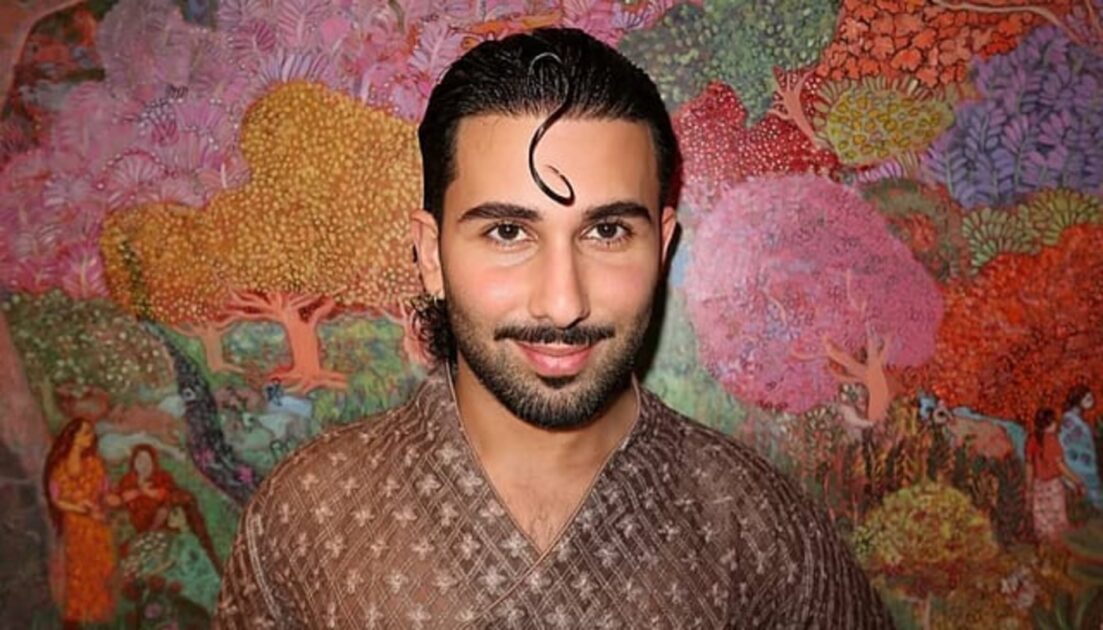
Orry, who has gained popularity for his candid personality and viral presence in celebrity circles, allegedly responded with a sarcastic remark that “punctuality has died.” The comment quickly spread online, with fans interpreting it both as a humorous jab and a subtle critique of unprofessional behavior.
In entertainment environments, especially reality TV, even minor delays can cause a ripple effect—affecting lighting setups, stunt rehearsals, safety briefings, and tightly packed shooting schedules.
Why Punctuality Matters So Much in Reality TV Production
Reality television is not as “casual” as it appears on screen. While it may look spontaneous and unscripted, the production structure behind shows like Khatron Ke Khiladi is highly organized and often resembles a military-level schedule.
1. Stunt Safety Depends on Timing
Unlike talk shows or indoor reality formats, Khatron Ke Khiladi revolves around dangerous physical tasks. These include height-based stunts, underwater challenges, animal interactions, and high-speed tasks.
Every stunt requires:
- Safety gear preparation
- Medical team readiness
- Weather condition checks
- Camera positioning
- Multiple rehearsal stages
A delayed contestant can disrupt the entire safety sequence, which is not just inconvenient—it can potentially increase risk.
2. Outdoor Lighting Windows Are Limited
Many stunts are shot outdoors where natural light is essential. Missing an early morning window may force production to reschedule the entire sequence.
That can lead to:
- Wasted production hours
- Increased cost
- Delayed episode timelines
- Reduced visual consistency
3. Tight Shooting Schedules
Reality shows often operate on international-style production timelines where each day is planned down to the minute.
Even a 30-minute delay from multiple participants can cascade into hours of disruption.
Orry’s Role: Humor, Personality, and Public Perception
Orry has become a recognizable figure in celebrity culture due to his social media presence, interactions with Bollywood personalities, and viral content. His personality often blends humor, self-awareness, and exaggerated expressions, which makes his commentary easily shareable.
In this case, his remark about “punctuality dying” was not just a complaint—it was a meme-ready statement that fit perfectly into the internet’s appetite for dramatic, humorous takes on everyday situations.
Why His Comment Went Viral
There are a few reasons the statement caught attention:
- It is short and dramatic
- It reflects a universal workplace frustration
- It involves celebrities, making it inherently interesting
- It fits social media meme culture
- It hints at behind-the-scenes reality TV chaos
In today’s digital environment, even small production moments can quickly become viral talking points when a recognizable personality frames them in an entertaining way.
The Bigger Picture: Is Punctuality Becoming Optional in Celebrity Culture?
Orry’s comment sparked a broader conversation online about whether punctuality is declining in modern celebrity-driven industries.
While it would be unfair to generalize based on one incident, audiences often perceive a growing gap between professional expectations and celebrity behavior in informal settings.
However, industry insiders argue otherwise.
Reality: Production Demands Are Often Misunderstood
What appears as “late arrival” to viewers may not always reflect actual irresponsibility. In many cases:
- Contestants may already be on set but delayed due to wardrobe or makeup
- Travel between locations can be longer than expected
- Medical clearance or safety checks may take time
- Previous stunt recovery can affect readiness
So while delays do occur, they are not always simple cases of carelessness.
Reality TV Pressure and Human Limitations
Another important angle often overlooked is the human factor.
Shows like Khatron Ke Khiladi push contestants physically and mentally. Fatigue is common, especially when filming spans long hours across consecutive days.
Early Morning Shoots Are Particularly Challenging
Early call times require:
- Adjusted sleep cycles
- Immediate physical readiness
- Mental alertness for safety instructions
- Fast transition into high-energy tasks
Not all contestants adapt at the same pace, especially in the early phase of the season.
Stress and Performance Anxiety
Reality shows are also competitive environments. Contestants are constantly being judged, filmed, and evaluated.
Stress can lead to:
- Slower preparation times
- Mental fatigue
- Reduced focus during early hours
These factors may contribute to delays that are not necessarily intentional.
Social Media Reaction: Humor, Criticism, and Memes
As expected, Orry’s comment quickly spread across social media platforms, where users responded with a mix of humor and commentary.
1. Meme Culture Took Over
Users turned the phrase “punctuality has died” into memes about:
- Office workers waking up late
- Students missing morning classes
- Bollywood-style exaggerated reactions
- General “Monday morning energy” jokes
The relatability of the statement made it highly shareable.
2. Support for Production Discipline
Some users agreed with the sentiment, arguing that reality show contestants should maintain stricter professionalism given the scale of production.
Their argument focused on:
- Respect for crew members
- Cost of delays
- Importance of discipline in entertainment work
3. Counter-Opinions
Others pointed out that reality TV participants are still human beings under extreme conditions and should not be judged harshly based on limited context.
This group emphasized:
- Mental and physical exhaustion
- Unseen production challenges
- Overreaction to minor delays
The Culture of “Behind-the-Scenes” Entertainment
One reason incidents like this gain attention is because audiences are increasingly interested in behind-the-scenes content.
Social media has blurred the line between:
- On-screen performance
- Off-screen reality
- Production logistics
- Celebrity personal behavior
A simple remark from someone like Orry becomes entertainment content in itself.
Fans today don’t just watch the show—they also consume:
- Cast interactions
- Shooting updates
- Set rumors
- Viral comments
This creates a layered viewing experience where the production process is almost as interesting as the final episode.
Why Reality Shows Are Designed for Controlled Chaos
Despite complaints about delays or chaos, reality shows often thrive on unpredictability.
Khatron Ke Khiladi in particular is built on:
- Unexpected challenges
- Emotional reactions
- Competitive tension
- Physical exhaustion
- Real-time problem solving
In many ways, minor disruptions are part of the environment rather than exceptions to it.
However, production teams still rely on discipline to ensure the chaos remains controlled and does not interfere with safety or broadcast deadlines.
The Fine Line Between Humor and Criticism
Orry’s statement sits in an interesting space—it is humorous but also indirectly critical.
This duality is common in entertainment commentary today, where:
- Humor softens criticism
- Viral phrases amplify attention
- Social media rewards exaggeration
- Short statements replace long explanations
Because of this, even casual remarks can take on larger meanings than originally intended.
What might have been a light-hearted complaint becomes a discussion about professionalism in an entire industry.
What This Moment Reveals About Modern Celebrity Ecosystems
Beyond punctuality itself, this incident reflects something bigger about modern entertainment ecosystems.
1. Constant Visibility
Celebrities and public figures are constantly observed, even during routine production moments.
2. Instant Commentary Culture
Any statement can become viral within minutes, regardless of context.
3. Blending of Roles
Social media personalities, actors, influencers, and reality stars often overlap, making boundaries less clear.
4. Entertainment Beyond Entertainment
Even logistical challenges become content for public consumption.
Conclusion: More Than Just a Late Call Time
At first glance, Orry’s remark about “punctuality has died” may seem like a humorous reaction to a delayed shoot. But the conversation it sparked reveals much more about the modern entertainment industry.
It highlights the tension between strict production demands and human unpredictability. It shows how social media transforms small behind-the-scenes moments into viral cultural commentary. And it reflects how reality television continues to balance discipline with chaos to create engaging content.
Whether taken as a joke, a critique, or simply a meme, the incident serves as a reminder that in today’s digital age, even a late arrival on set is never just a delay—it is a story waiting to be told, shared, and reshaped by millions online.