 by
by When Celebrity Access Crosses Personal Boundaries
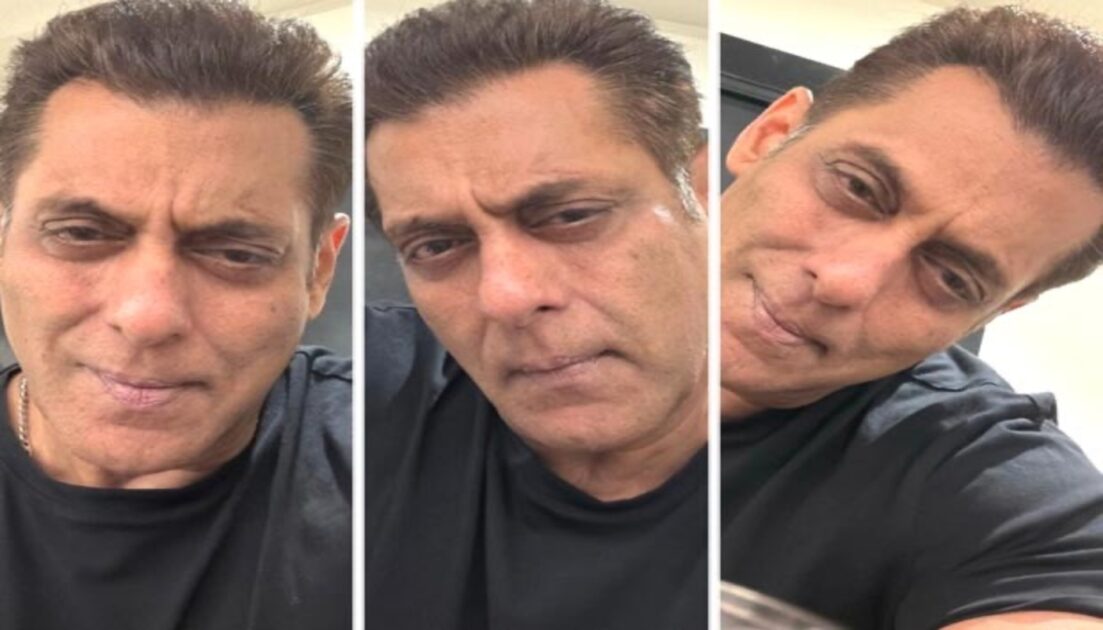
In today’s hyperconnected world, celebrities live in an era where visibility is constant and privacy often feels negotiable. Cameras follow them at airports, outside restaurants, at gyms, near homes, and during everyday routines. While fame naturally brings public attention, there is an increasing conversation about where admiration ends and intrusion begins. Recently, discussions intensified after Salman Khan reportedly reacted strongly to a situation involving privacy invasion, reigniting broader debates about celebrity boundaries and the pressures attached to living under continuous public scrutiny.
Celebrity sightings have become a major part of entertainment culture. Fans enjoy seeing stars in candid moments because these interactions feel authentic and unscripted. Unlike movie promotions or carefully staged appearances, paparazzi footage often presents celebrities in ordinary situations. However, as digital media evolves and audience demand for instant content grows, the line between public curiosity and personal space has become increasingly blurred.
The reaction surrounding Salman Khan was not simply about one isolated moment. Instead, it opened conversations about a larger issue affecting public figures worldwide: how much access should celebrities be expected to give, and what happens when personal limits are crossed?
Fame Has Changed in the Social Media Era
The experience of being famous today differs dramatically from what stars experienced decades ago. Earlier generations of actors interacted with audiences primarily through films, television appearances, magazine interviews, and scheduled public events. Media exposure existed, but there were natural limits.
The arrival of smartphones and social media transformed everything.
Today, nearly anyone can become a content creator. A fan with a phone can instantly record videos and upload them online within seconds. Entertainment pages repost clips rapidly, discussion spreads across multiple platforms, and moments become viral before celebrities even leave a location.
This new environment has created an “always visible” culture.
Public figures no longer encounter cameras only during official appearances. Visibility now extends into ordinary life: morning workouts, airport travel, shopping trips, family outings, and private moments.
As a result, celebrities increasingly live within a system where public and personal spaces overlap.
Why Privacy Means Something Different for Celebrities
One common argument frequently appears whenever discussions about celebrity privacy emerge: public figures chose fame, so attention naturally comes with it.
While visibility certainly accompanies celebrity life, privacy experts and media analysts often point out that choosing a public career does not automatically eliminate the right to personal boundaries.
There is a significant difference between professional visibility and unrestricted access.
Actors expect cameras at film promotions, award ceremonies, interviews, and public events. Those situations exist within professional contexts where media engagement is part of the job.
However, many situations fall outside those expectations.
Walking toward a car.
Leaving a medical appointment.
Spending time with family.
Entering a residence.
Traveling privately.
These moments occupy a more complicated area where audiences and media increasingly debate ethical limits.
When reactions emerge following perceived privacy invasion, they often reflect broader frustrations associated with constant observation rather than isolated incidents.
Salman Khan and Life Under Relentless Public Attention
For Salman Khan, public visibility has remained unusually intense for decades. Few stars maintain such long-term cultural relevance across multiple generations.
Over the years, his films, television appearances, public interactions, and everyday sightings have consistently attracted attention. His audience spans longtime fans, younger digital audiences, and entertainment communities across multiple platforms.
That level of sustained popularity creates extraordinary public interest.
Every appearance generates headlines.
Every expression invites interpretation.
Every public outing becomes content.
For celebrities with large fan followings, even routine activities can quickly evolve into major discussions online.
What may appear from the outside as a simple celebrity encounter can involve cameras, crowds, security concerns, and constant observation from multiple directions.
This environment creates pressures rarely experienced by ordinary individuals.
The Evolution of Paparazzi Culture
Paparazzi photography has existed for decades, but its purpose and influence have changed significantly.
Earlier entertainment journalism largely focused on documenting celebrity appearances and events. While photographers pursued exclusive images, publication schedules created natural delays.
Social media removed those delays completely.
Today, content moves instantly.
Short videos circulate within seconds. Fan pages repost clips repeatedly. Entertainment accounts create narratives around brief encounters.
The speed of digital culture has transformed paparazzi coverage into an around-the-clock content industry.
This environment creates incentives for increasingly immediate and emotionally engaging material.
Capturing stars during everyday situations often attracts stronger reactions than formal appearances because candid visuals feel more personal.
Ironically, the more ordinary a moment appears, the more audiences perceive authenticity within it.
That demand can unintentionally encourage situations where personal space becomes increasingly difficult to maintain.
Public Curiosity Versus Personal Space
Audiences naturally feel curious about celebrities. Fans invest years following careers, films, interviews, and public journeys. Emotional attachment develops over time.
People become interested not only in professional work but also in personalities.
This curiosity is understandable.
However, modern celebrity culture increasingly raises an important question:
At what point does curiosity become intrusion?
Admiring public figures and wanting occasional glimpses into their lives differs from expecting unlimited access.
Public fascination can sometimes unintentionally create pressure on celebrities to remain constantly available, approachable, and emotionally accessible.
When boundaries appear, reactions vary.
Some viewers support celebrities protecting personal space.
Others argue that visibility accompanies fame.
This disagreement frequently emerges during discussions involving paparazzi encounters and privacy concerns.
The Psychological Weight of Constant Visibility
Living under ongoing observation creates unique emotional conditions.
Most people experience privacy as a normal part of daily life. Individuals move through routines without expecting strangers to photograph expressions or analyze behavior.
Celebrities often experience the opposite reality.
Ordinary actions become visible experiences.
Walking quietly may generate speculation.
Looking serious may inspire concern.
Appearing tired can create rumors.
Expressions lasting seconds sometimes become interpreted narratives.
Over time, constant observation can create emotional fatigue.
Psychologists frequently discuss the effects of feeling continuously watched. Human beings generally benefit from environments where they can relax, process thoughts privately, and exist without external performance expectations.
Celebrities frequently have fewer opportunities to experience such spaces.
This reality does not eliminate gratitude for success or appreciation for fans, but it introduces pressures often overlooked within public discussions.
Social Media and Instant Judgment
One of the biggest shifts in entertainment culture involves speed.
Audiences no longer simply consume celebrity news; they react immediately.
Comments appear within seconds.
Interpretations spread rapidly.
Assumptions multiply before additional context emerges.
Social platforms reward emotional engagement. Strong reactions generate views, shares, and discussion.
As a result, headlines increasingly emphasize emotionally charged language.
Words such as “angry,” “furious,” “shocked,” or “strong reaction” naturally attract attention because they imply conflict or hidden stories.
However, short clips rarely capture complete circumstances.
A few seconds of footage may exclude events occurring before or after the moment viewers see.
Without broader context, audiences often create interpretations based on limited information.
This pattern affects many celebrities, not only Salman Khan.
Fans Are Becoming More Aware of Boundaries
Interestingly, audience conversations around celebrity privacy have become more thoughtful in recent years.
Many fans increasingly advocate for boundaries.
Under paparazzi videos and candid posts, comments frequently appear encouraging respectful behavior. Some viewers remind others that celebrities remain human beings. Others criticize situations involving excessive filming or crowding.
Mental health awareness discussions have contributed to these changing perspectives.
Audiences increasingly understand that public figures experience emotional pressures despite fame and success.
This shift reflects growing recognition that visibility does not eliminate humanity.
Fans today often balance admiration with concern.
People still enjoy celebrity content, but many increasingly support respectful engagement rather than unrestricted access.
The Celebrity Paradox: Loved by Millions, Alone in Public Spaces
Modern fame creates an unusual contradiction.
Celebrities gain recognition precisely because people feel connected to them. Fans support careers, celebrate achievements, and build emotional relationships with public figures through films and media.
Yet that same connection sometimes creates expectations that become difficult to navigate.
Public figures may simultaneously feel surrounded and isolated.
Loved and observed.
Celebrated and scrutinized.
Accessible yet protected.
This paradox becomes especially visible during moments involving privacy discussions.
People admire stars because they feel relatable and human. Yet maintaining humanity often requires personal boundaries.
That tension remains one of modern celebrity culture’s biggest challenges.
Looking Beyond One Incident
Ultimately, discussions surrounding Salman Khan’s reported reaction extend beyond a single moment.
The situation highlights broader questions surrounding visibility, media culture, and evolving audience expectations.
Entertainment increasingly operates within a system where ordinary moments become public narratives. Digital culture rewards immediate access and emotional engagement. Celebrities exist within environments where personal and professional spaces overlap continuously.
Yet conversations around privacy remind audiences of something important:
Fame does not erase individuality.
Public recognition does not eliminate emotional needs.
Success does not remove the desire for personal space.
As discussions around celebrity boundaries continue evolving, audiences and media alike may increasingly reconsider how access functions in a world built around constant visibility.
A Reminder That Boundaries Matter
Perhaps the strongest takeaway from situations involving privacy discussions is remarkably simple: boundaries matter.
They matter for ordinary individuals.
They matter for public figures.
And they matter even in industries built around visibility.
Fans will always remain curious. Audiences will always enjoy candid moments. Celebrity culture will continue evolving alongside digital platforms.
But somewhere between admiration and access exists a line deserving respect.
Moments involving strong reactions often remind people where those conversations begin.
And perhaps more importantly, they encourage audiences to ask not only what they can see—but what should remain personal.